

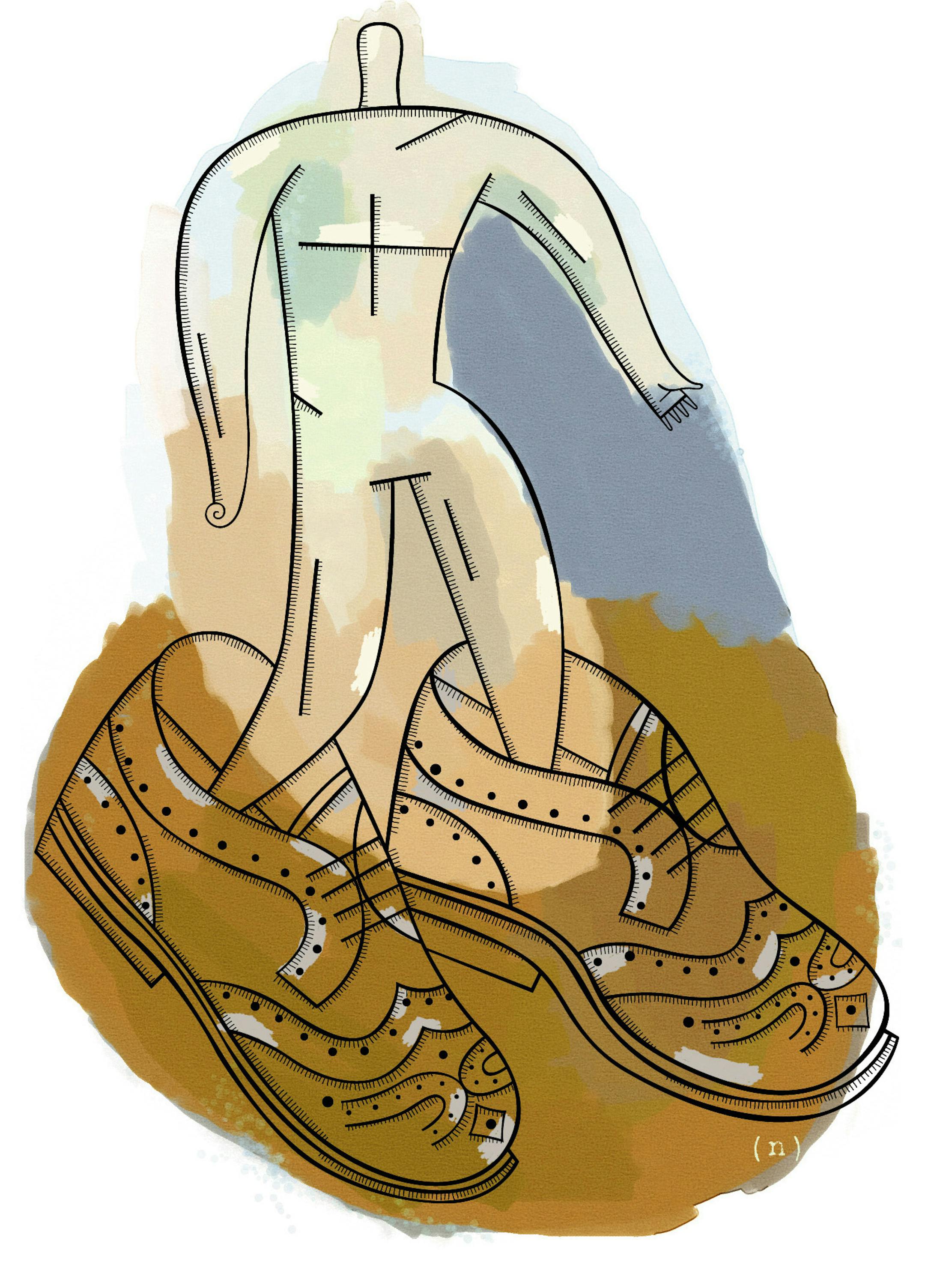
Throughout American history, most presidents had small personal staffs. They steered through political waters as amateurs, relying on experience, instinct and conversations with friends.
Then candidates and presidents hired professionals to help them navigate public opinion. By the time Theodore White began his "Making of the President" series in 1960, the strategists, who had once been hidden, came into view. Every successive administration has taken power away from Cabinet agencies and centralized more of it with those political professionals who control messaging from within the White House.
This trend is not just in politics. We have become a consultant society. Whether you are running a business or packaging yourself for a job or college admissions, people rely on the expertise of professional advice-givers.
Technical advisers are hired to be shrewd. Under their influence, the distinction between campaigning and governing has faded away. Most important, certain faculties that were central to amateur decisionmaking — experience, intuition, affection, moral sentiments, imagination and genuineness — have been shorn down for those traits that we associate with professional tactics and strategy — public opinion analysis, message control, media management and self-conscious positioning.
A nice illustration of this shift came in the April 20 New York Times Magazine in the form of Jo Becker's book adaptation, "How the President Got to 'I Do' on Same-Sex Marriage." It is the inside story of how the president's advisers shifted the White House position on gay marriage, from one the president didn't really believe in — opposition to same-sex unions — to one he did.
Not long ago, readers would have been shocked to see how openly everyone now talks about maneuvering a 180-degree turn on a major civil-rights issue. It would have been embarrassing to acknowledge that you were running your moral convictions through the political process, arranging stagecraft.
Today we're all in on the game. The question is whether it is played well.
There were two sorts of strategists described in Becker's piece. One group, including the former Republican Party leader Ken Mehlman, has ardent supporters of same-sex marriage who tried to craft the right messaging. Mehlman told Obama to talk about his daughters when he announced his new position.


