

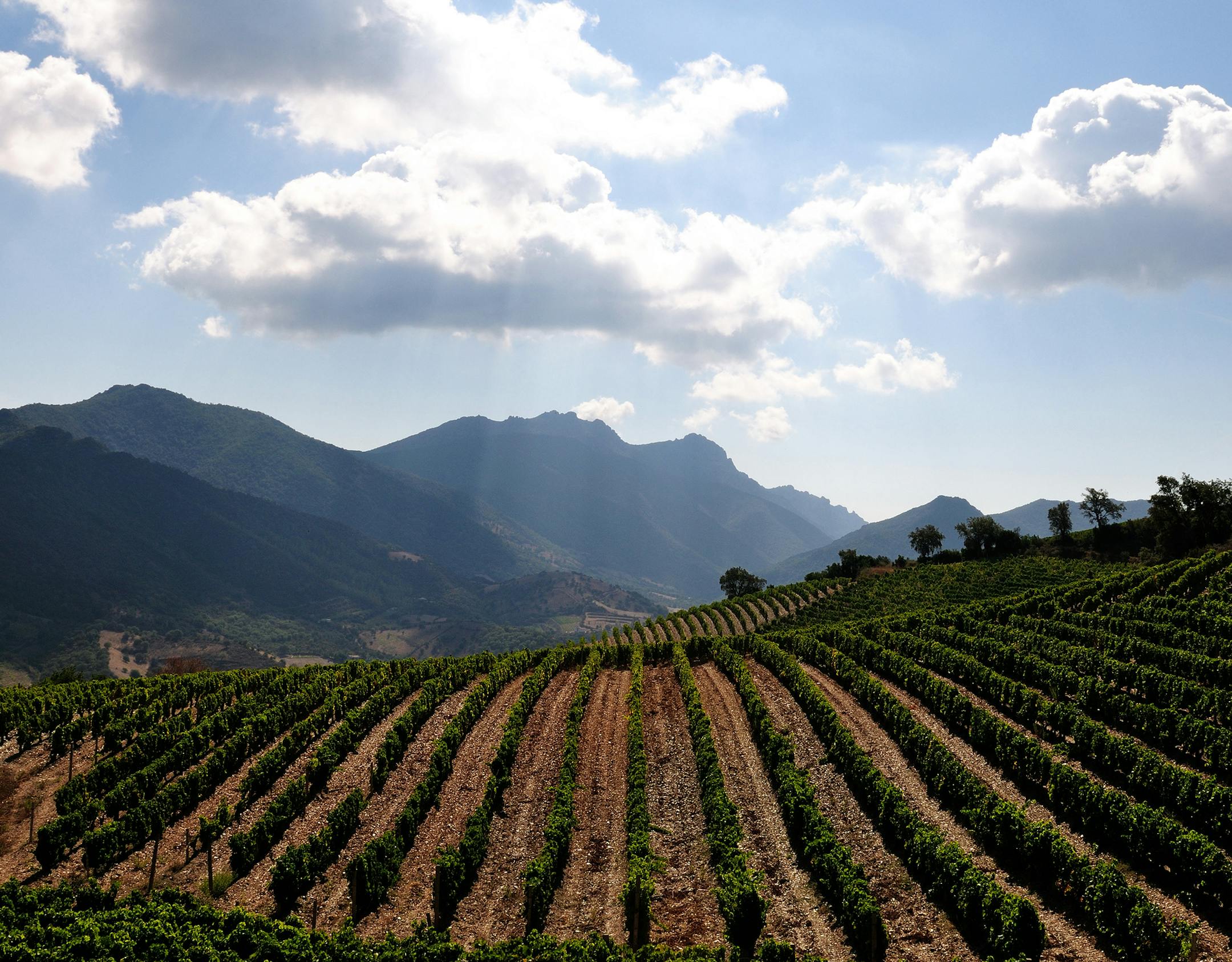
In the past, when most wine consumers thought about a Mediterranean island, the first and often only name that came to mind was Sicily.
Not anymore, at least among the savvy set.
These days, isles large, small and tiny are worthy of any enthusiast's attention, showcasing indigenous grapes as well as more familiar ones under a different name.
Take cannonau, the Sardinian term for what's known as grenache in France and garnacha in Spain. These wines pack more oomph than most of their continental cousins, but are often lower in alcohol. Red-berry flavors, spice notes and a swell power/grace interplay are hallmarks of cannonau.
Further incentive to try some: Sardinians are among the longest-living folks on the planet, widely attributed to their diets. Because the cannonau grape has thicker skin than most grenache, it's believed to have large amounts of polyphenols and other antioxidants linked to heart health. Cin cin!
Just in the past few years, the offerings available here have mushroomed. Among my favorite wineries: Pala, Argiolas, Olianas, Cardedu, Panevino and Vigneti Zanatta. (Most of these wines, and others in this column, cost about $20.)
But it's not just about red wine on the Mediterranean's second-largest island (just behind Sicily). A boatload of tasty vermentino, a sauvignon-blanc-like white that also thrives on the mainland in Italy and France (where it is called rolle), emanates from Sardinia. Some reliable producers are Santadi, Santa Maria La Palma, Olianas and the aforementioned Argiolas, Pala and Vignetti Zanatta.
Vermentino also shines on the island just north of Sardinia. Corsica (which actually is part of France; Napoleon was born there) offers up great renditions from Nielluccio, Maestracci and Clos Signadore.

