

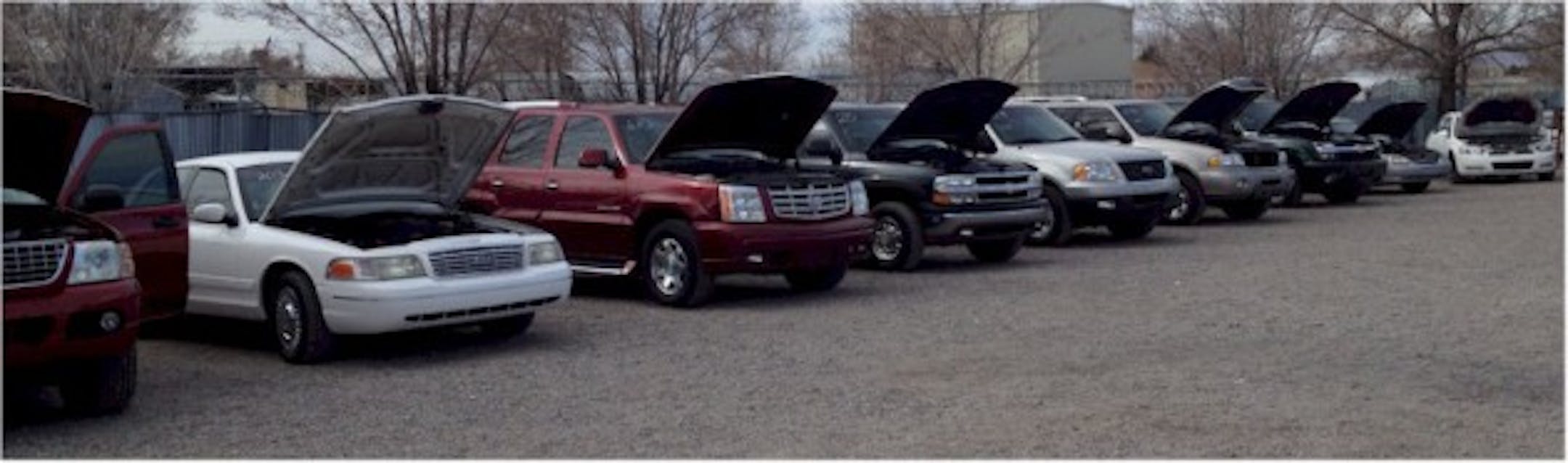
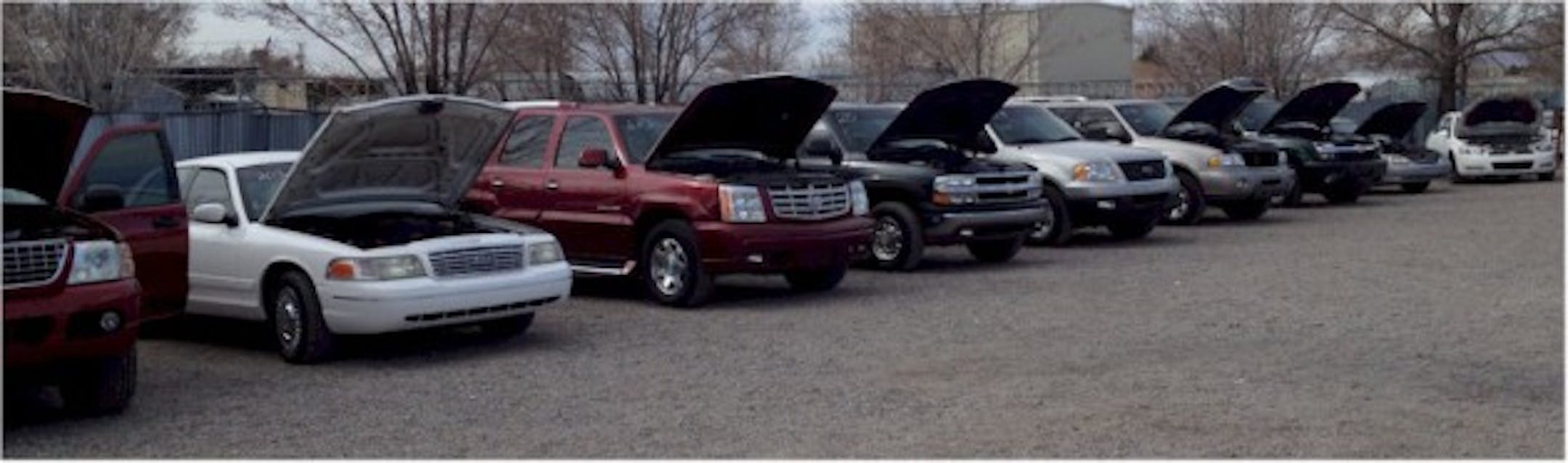
My Sunday column (pasted below, and linked here) explored the widespread, complex and sometimes absurd world of criminal forfeitures in Minnesota. I am also interested in the forfeiture practices of federal agencies, which typically go after bigger money. Federal agencies provide a public notice of what they seized and intend to forfeit. The FBI, for example, wants to keep a "platinum solitaire 2.11 carat round brilliant cut diamond ring, value=$13,600.00, seized for forfeiture pursuant to 18 USC 981(a)(1)(C) on March 21, 2014 from Cheri Waters, at 100 Southdale Center, Edina, MN." For some reason, the Bureau of Alcohol, Tobacco, Firearms and Explosives wants this: "2 Rounds WINCHESTER-WESTERN Ammunition CAL:9; value=$0.20; seized on April 22, 2014 in Jackson, MN." Eventually, the U.S. Marshals Service sells off forfeited assets - the details on the auctions are here.
Expect to hear more about forfeitures in this blog in coming weeks. Meanwhile, here's the column:
Starting this summer, Minnesota prosecutors who want to confiscate your property permanently have to get a criminal conviction or an admission of guilt first. It also will become the government's burden to prove that valuables taken in a drug investigation were actually used in a crime.
These don't sound like controversial concepts. But by making them law, Minnesota has become a national leader in reforming the rules of criminal forfeiture, according to Lee McGrath of the Institute for Justice, a libertarian public interest law firm. His organization partnered with the American Civil Liberties Union to lobby for the law, which passed this session with almost unanimous bipartisan support.
The real credit for the reform goes to a rogue police unit that, five years after it disbanded, still stains the image of cops taking private property.
In the name of law enforcement, the Metro Gang Strike Forcebrutalized people and illegally took cars, cash, clothing, power tools and seemingly anything else they could get their hands on. While the task force members were never punished criminally, victims of excessive force and unreasonable seizures got their property back and $840,000 in compensation through the federal court.
John Kingrey of the Minnesota County Attorneys Association said most of the Metro Gang Strike Force's transgressions had nothing to do with the rules of forfeiture. Nonetheless, they "poisoned the well" with lawmakers, who since 2010 have tightened the rules on police and county attorneys, Kingrey said.
It's long overdue. People trying to save their property from forfeiture often find that the ground rules of criminal court — innocent until proven guilty chief among them — don't apply to their stuff.


