

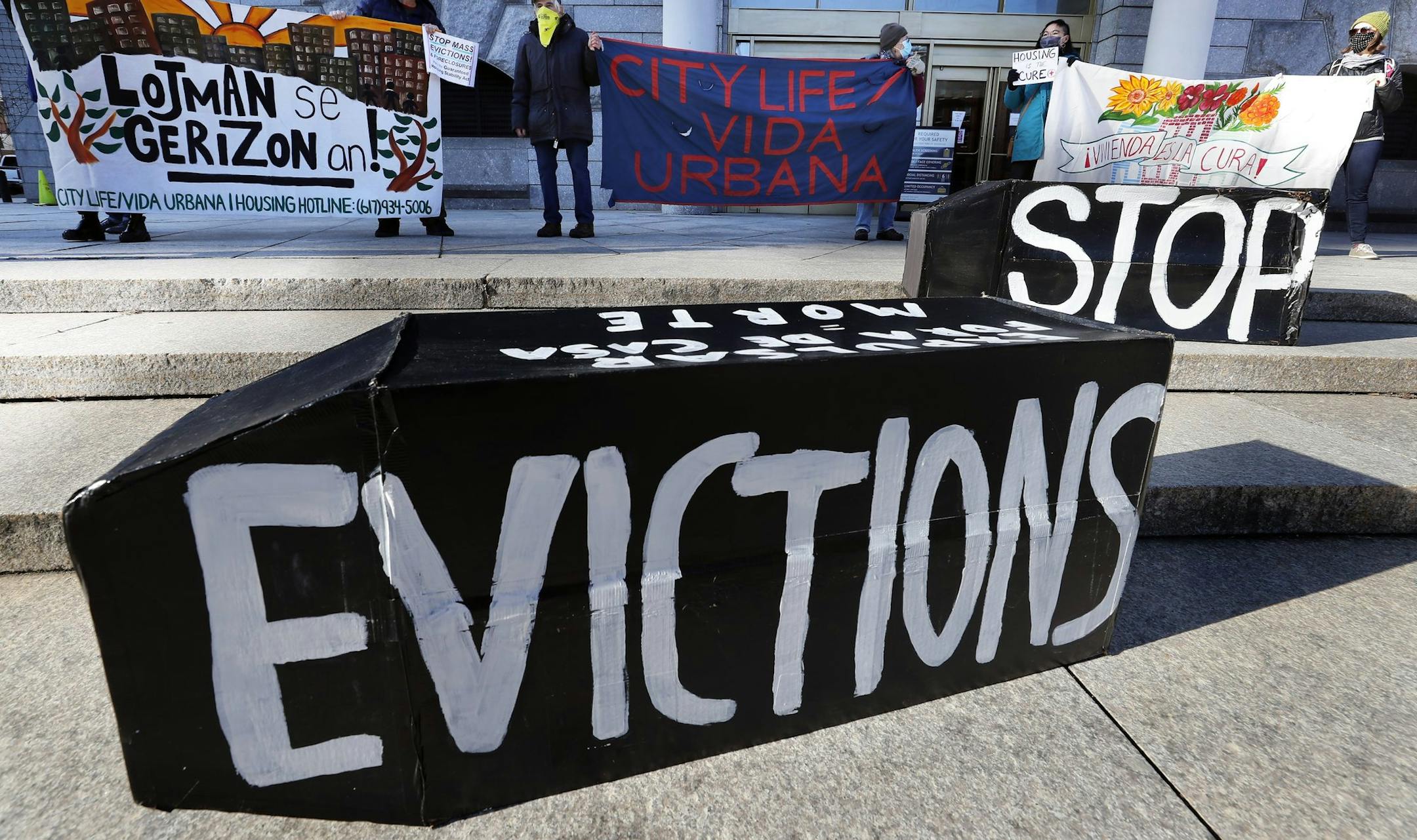
On his first day as president, Joe Biden reversed a raft of Donald Trump's ill-conceived policies — and then adopted one of them as his very own.
He extended the federal moratorium on evictions.
The purpose was commendable: to prevent renters from losing shelter amid a pandemic. Tossing families onto the street and packing them into shelters would be a boon to COVID-19. Workers who have lost jobs in the crisis can hardly be blamed if they lack the money to keep a roof over their heads. The moratorium blocks landlords from banishing tenants for not paying rent, though the renters are not relieved of what they owe.
Back in the spring, when the nation faced a sudden catastrophe, the eviction freeze made sense as a temporary necessity. As a lasting remedy, though, it is riddled with flaws.
Keeping people in their homes is valuable for preventing infections. It averts severe hardship to individuals and neighborhoods. It works to the benefit of the public as a whole, not just tenants.
But the eviction moratorium sends the bill for that benefit to a small group of people: property owners. Because we all gain from protecting renters, we all should swallow our share of the cost through that old-fashioned mechanism known as taxes.
Not all renters need protection right now, but the help isn't limited to those who do. People with secure jobs and good incomes can forgo paying as long as the moratorium lasts. And what assurance do property owners have that they'll ever see a dime? When the rent finally comes due, tenants could stiff the proprietor, take the funds they saved and find new quarters.
Many landlords depend on rents for their own livelihood. Forcing them to provide free housing is an onerous burden. Even during the pandemic, they have to cover property taxes, maintenance costs, insurance, mortgages and other fees.


