

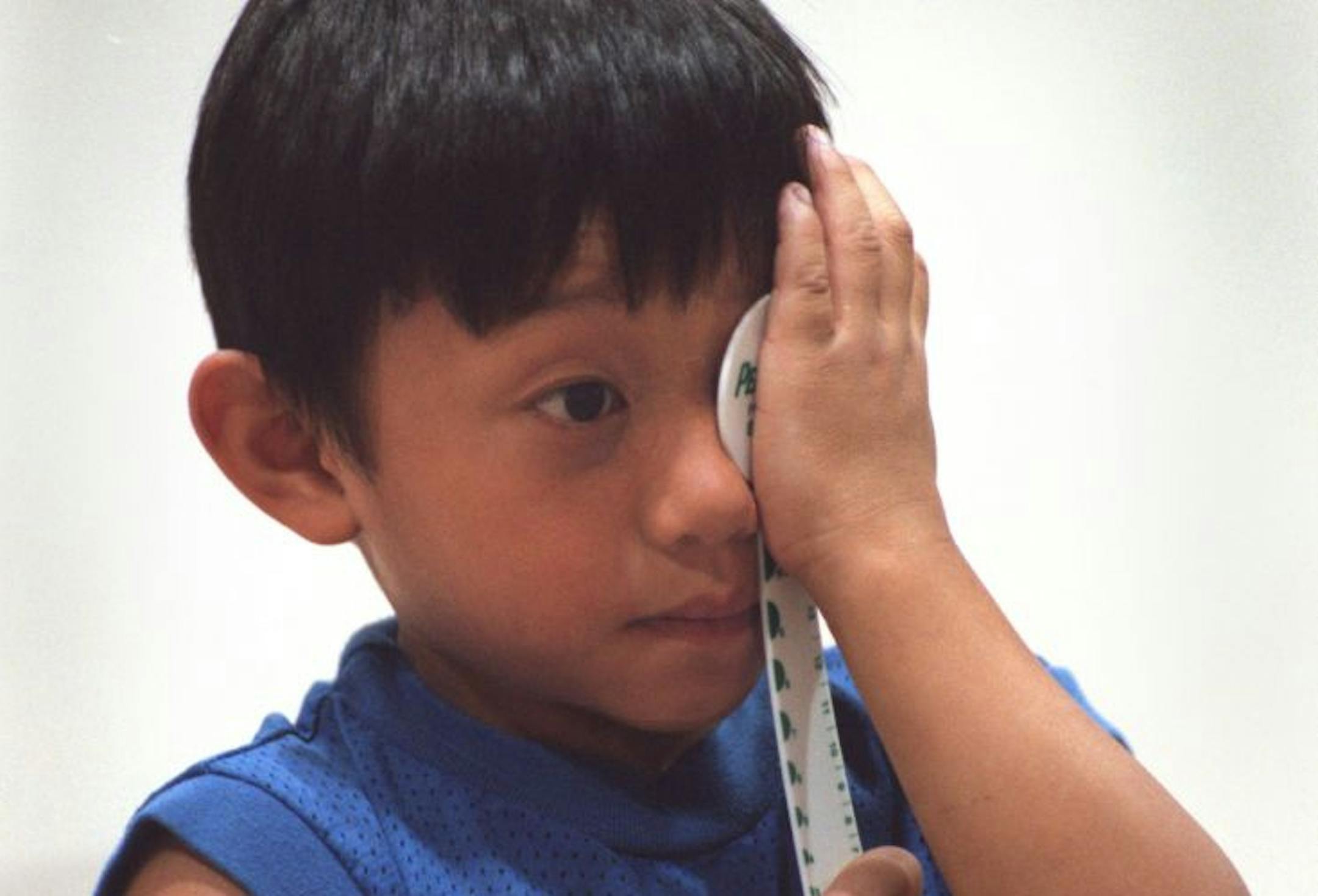
The classroom blackboard is frequently the unofficial litmus test in recognizing kids' vision problems. They might move closer to the board to see, or tilt their heads slightly while seated at their desks to bring words or numbers into view.
And in today's classroom, many students are growing accustomed to white boards, which Dr. Mrunalini Parvataneni, a pediatric ophthalmologist at Northwest Eye in Maple Grove and Wayzata, said can be even tougher for some kids with vision problems.
"The glare that comes off the white board can make it hard for kids to see what's written," she said. "I have been hearing more complaints from kids about that.
"It's another story with smart boards. Those are often easier for kids to see, due to the higher resolution screen; the teacher can also make the print larger or smaller."
Asked if the prevalence in screen time for kids is leading to more eye problems in general, Parvataneni said there has been an increase in reported vision fatigue among kids and adults who spend hours in front of computers.
"We do not know enough about the long-term effects of constant screen time, but that is why I counsel my families to just be cautious," she said, adding that due to the inherent ability kids have to focus their eyes, smaller screens such as those found on smartphones don't necessarily cause further strain.
Pay attention to headaches
Parents also should pay attention to a child's complaints about headaches and/or eye fatigue -- and when they mention it.


