

Opinion editor's note: Editorials represent the opinions of the Star Tribune Editorial Board, which operates independently from the newsroom.
•••
Who uses reference books anymore? We do, but it's a lonely habit. The reflex to reach for a volume on the shelf, instead of pulling a smartphone from one's pocket or simply calling out an inquiry to Siri or Alexa or whomever, is anachronistic. "For the times they are a-changin'," said Bob Dylan.
To make sure we had that lyric right, we looked it up in "Bartlett's Familiar Quotations," one of the reference books we consult regularly. But then we found other quotes that would have worked just as well, like this one from Oliver Goldsmith: "I love everything that's old: old friends, old times, old manners, old books, old wines."
That, in a nutshell, is the beauty of Bartlett's. Dylan leads to Goldsmith, and then somehow you are ricocheting from Ephron to Eliot. Along the way you acquire some new education. (And speaking of nutshells, it was Shakespeare's Hamlet who said "I could be bounded in a nutshell, and count myself a king of infinite space, were it not that I have bad dreams.")
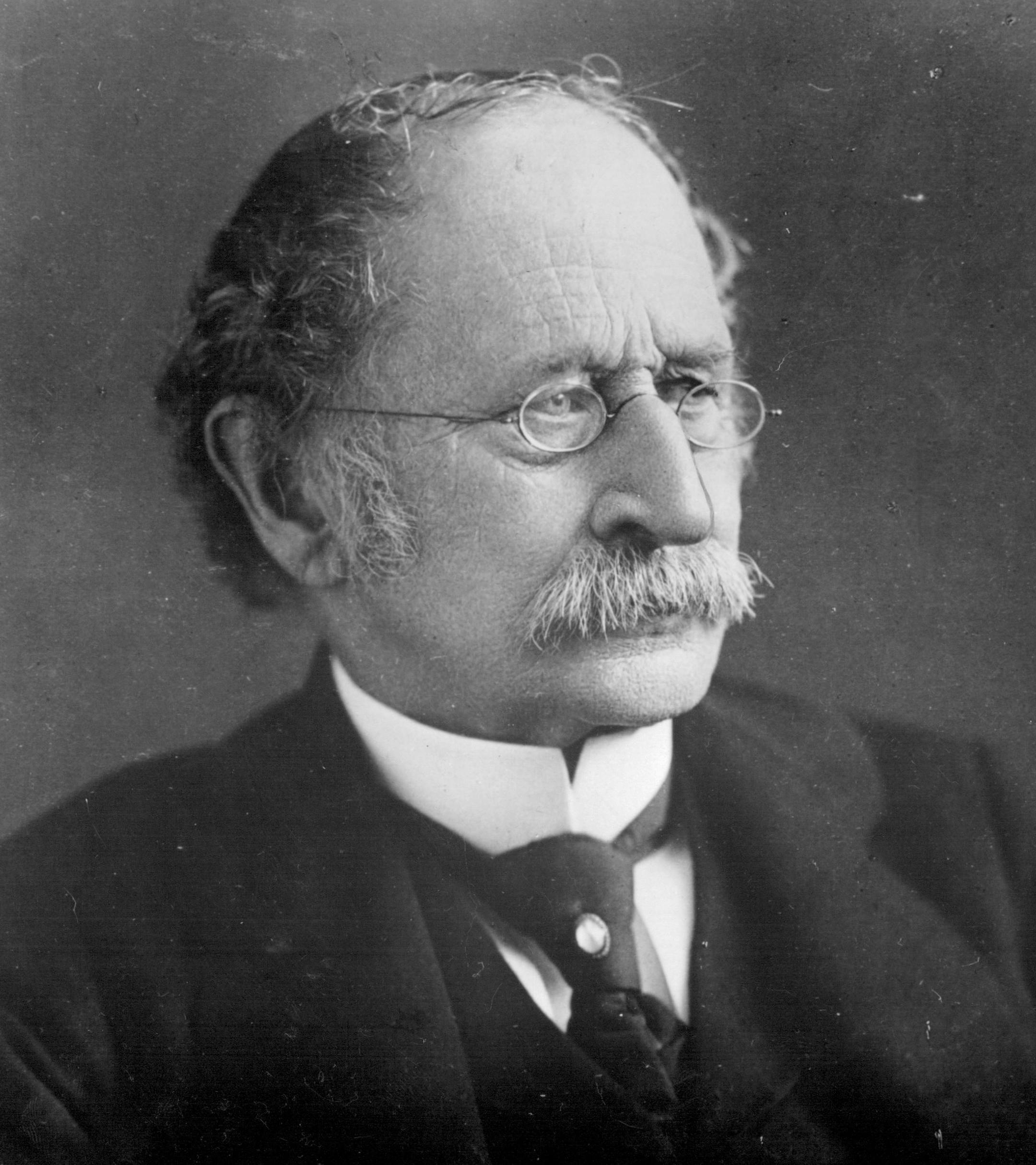
Bartlett's has just published a new edition, its 19th since the first came out in 1855. John Bartlett, the proprietor of the University Book Store in Cambridge, Mass., produced a slim volume of 258 pages, quoting the words of 169 authors. He would hardly recognize the weighty work that has emerged from his effort — let alone the app that offers subscribers access to a searchable database of 20,000 quotations. In other words, those quotations are "Many, as the sand which is by the sea in multitude," as Bartlett's renders a verse from the First Book of Kings.
The new edition adds quotations from Donald Trump, Ta-Nehisi Coates and Elon Musk, as well as Ruth Bader Ginsburg and Greta Thunberg. The editors had to make choices to keep the book in the neighborhood of 1,400 pages, and that meant sacrificing some classical voices. As the anonymous French proverb has it, "On ne saurait faire une omelette sans casser des oeufs" — that is, you can't make an omelet without breaking eggs.
The risk is that, in Bartlett's quest to remain current, it has strayed from the mission that its founder laid out for it all those years ago: "to show, to some extent, the obligations our language owes to various authors for numerous phrases and familiar quotations which have become 'household words.'" Many of the quotations one finds in Bartlett's have less to do with their familiarity than with the poor judgment of the person who said them. Richard Nixon's "I want you all to stonewall it" is one example.


