

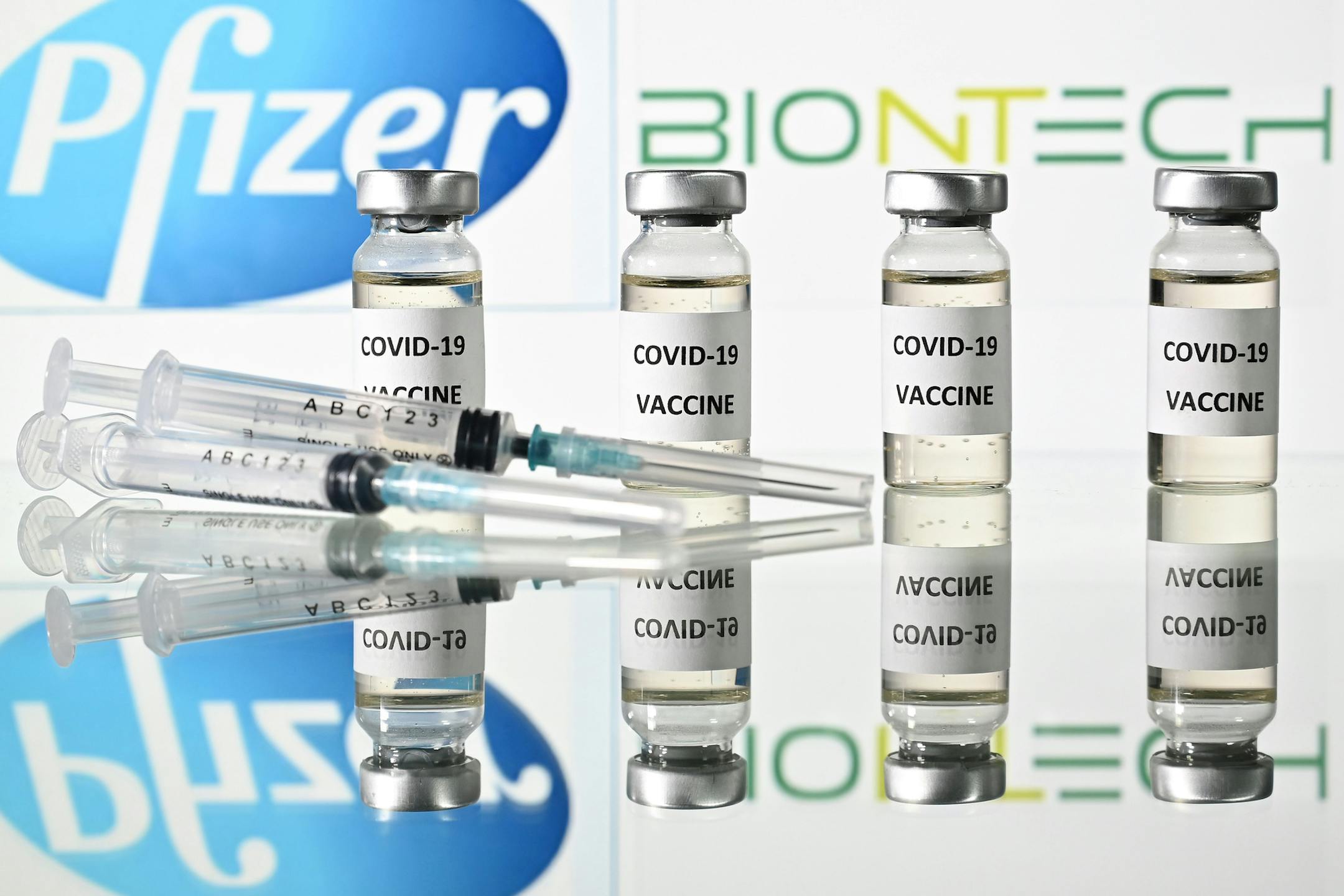
With the coronavirus pandemic surging and initial vaccine supplies limited, the United States faces a hard choice: Should the country's immunization program focus in the early months on the elderly and people with serious medical conditions, who are dying of the virus at the highest rates, or on essential workers, an expansive category encompassing Americans who have borne the greatest risk of infection?
Health care workers and the frailest of the elderly — residents of long-term-care facilities — will almost certainly get the first shots, under guidelines the Centers for Disease Control and Prevention issued Thursday. But with vaccination expected to start this month, the debate among federal and state health officials about who goes next, and lobbying from outside groups to be included, is growing more urgent.
Ultimately, the choice comes down to whether preventing death or curbing the spread of the virus and returning to some semblance of normalcy is the highest priority.
"If your goal is to maximize the preservation of human life, then you would bias the vaccine toward older Americans," Dr. Scott Gottlieb, the former Food and Drug Administration commissioner, said recently. "If your goal is to reduce the rate of infection, then you would prioritize essential workers. So it depends what impact you're trying to achieve."
The trade-off between the two is muddied by the fact that the definition of "essential workers" used by the CDC comprises nearly 70% of the U.S. workforce, sweeping in not just grocery store clerks and emergency responders but tugboat operators, exterminators and nuclear energy workers. Some labor economists and public health officials consider the category overly broad and say it should be narrowed to only those who interact in person with the public.
An independent committee of medical experts that advises the CDC on immunization practices will soon vote on whom to recommend for the second phase of vaccination — "Phase 1b." In a meeting last month, all voting members of the committee indicated support for putting essential workers ahead of people 65 and older and those with high-risk health conditions.
Historically, the committee relied on scientific evidence to inform its decisions. But now the members are weighing social justice concerns as well, noted Lisa Prosser, a professor of health policy and decision sciences at the University of Michigan.
"To me the issue of ethics is very significant, very important for this country," Dr. Peter Szilagyi, a committee member and a pediatrics professor at UCLA, said at the time, "and clearly favors the essential worker group because of the high proportion of minority, low-income and low-education workers among essential workers."

