

But for many impatient motorists, the end can't come soon enough. They wonder why crews don't work 24 hours to get the job done faster.
"There should be fewer projects, worked on 24 hours a day, 7 days a week until they are done, then move on to the next one," said one reader who commented on my column of two weeks ago in which I explained the reasons for the lengths of construction zones. "Anything less shows a complete disregard for the taxpayers."
It's true that this is an abnormally intense construction season, with 87 projects taking out lanes or shutting down entire roads in the metro area this summer. But even if MnDOT had only 50, working 'round the clock won't make concrete cure any faster.
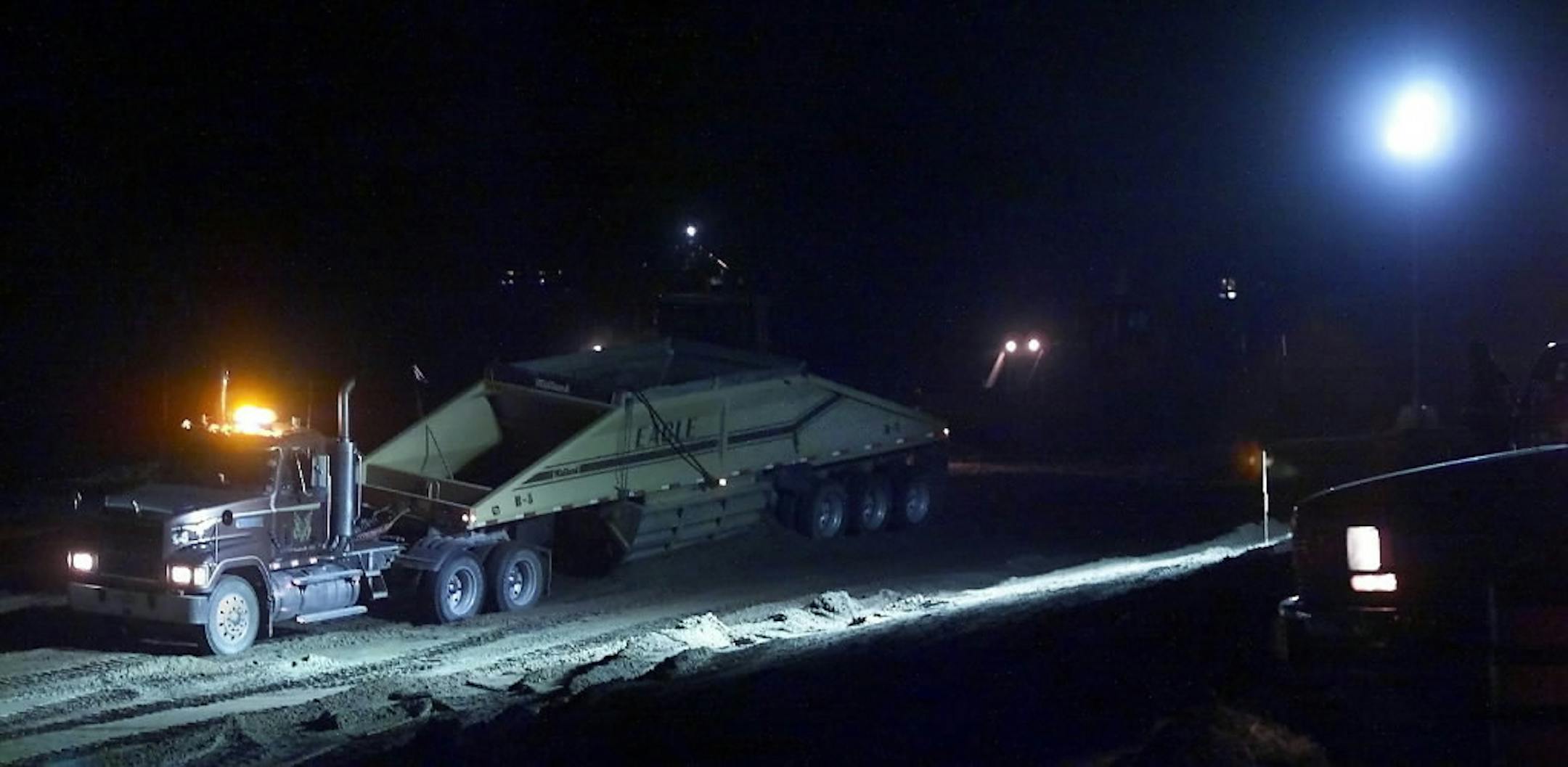
Night work also is much more difficult and dangerous for both workers and motorists. But the bottom line is that a 24-hour operation adds considerable cost to a project, said Kent Barnard, a MnDOT spokesman. Additional expenses include overtime and higher night pay for crews, higher electricity costs for lighting and setting up additional traffic control.
Some parts of a job can't be done at night. Most plants that supply asphalt or concrete are closed at night. The few that stay open charge a premium, he said.
"If a contractor bids $21 million for the project, they have a deadline and time frame to close lanes and ramps," Barnard said.
"They bid the project and any overtime they pay costs them. They won't throw lots of overtime or incur extra expenses unless there is incentive to do so."


