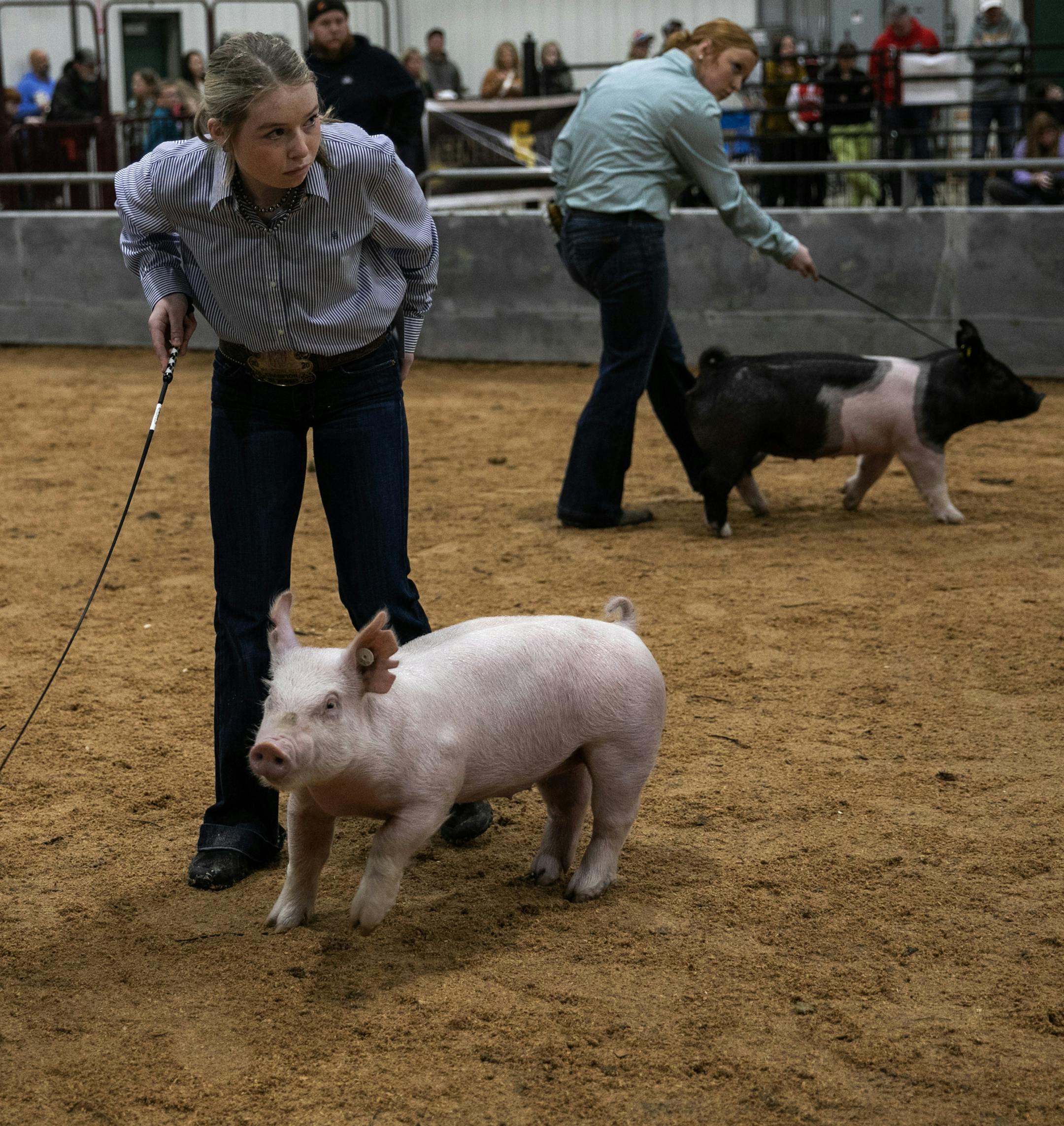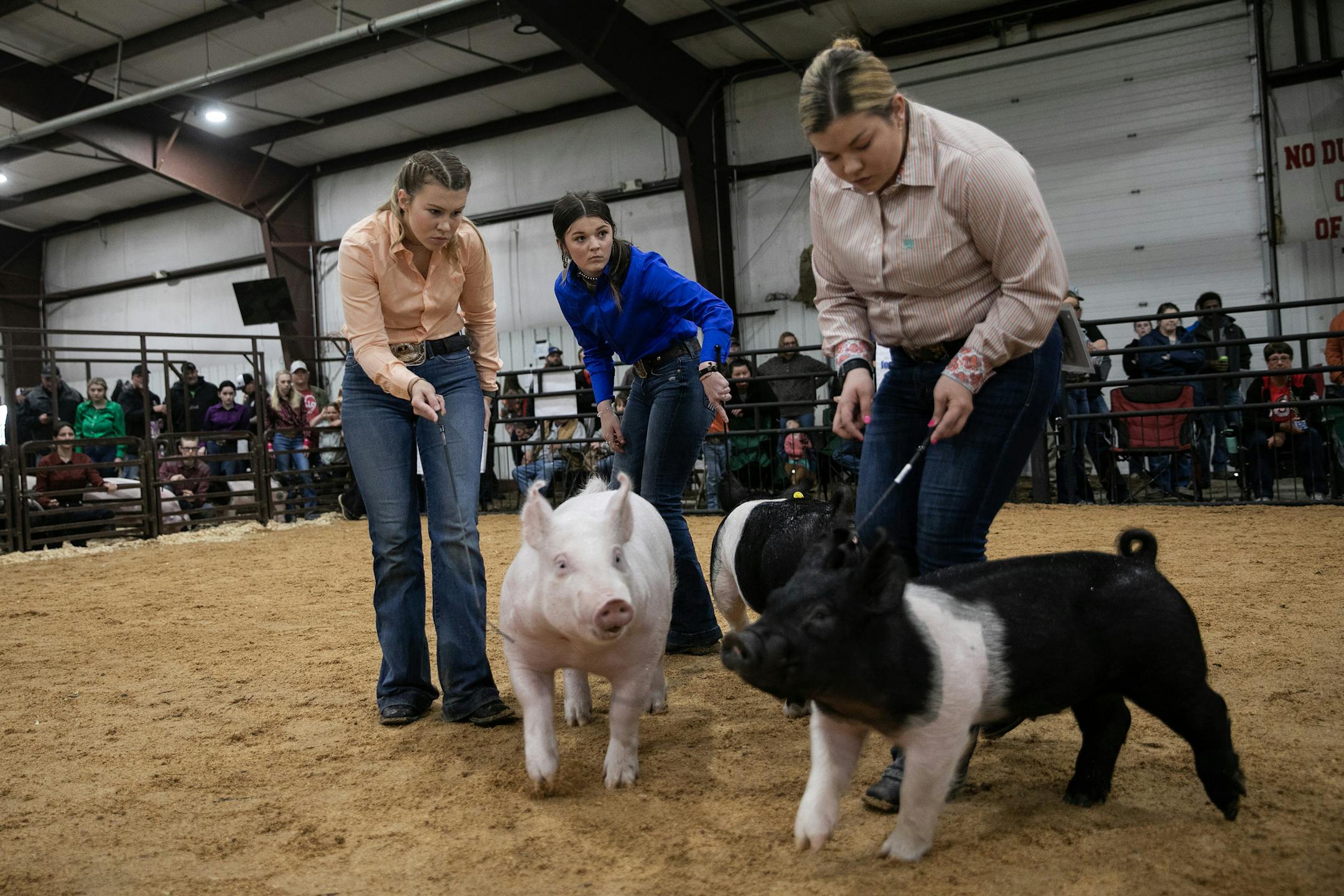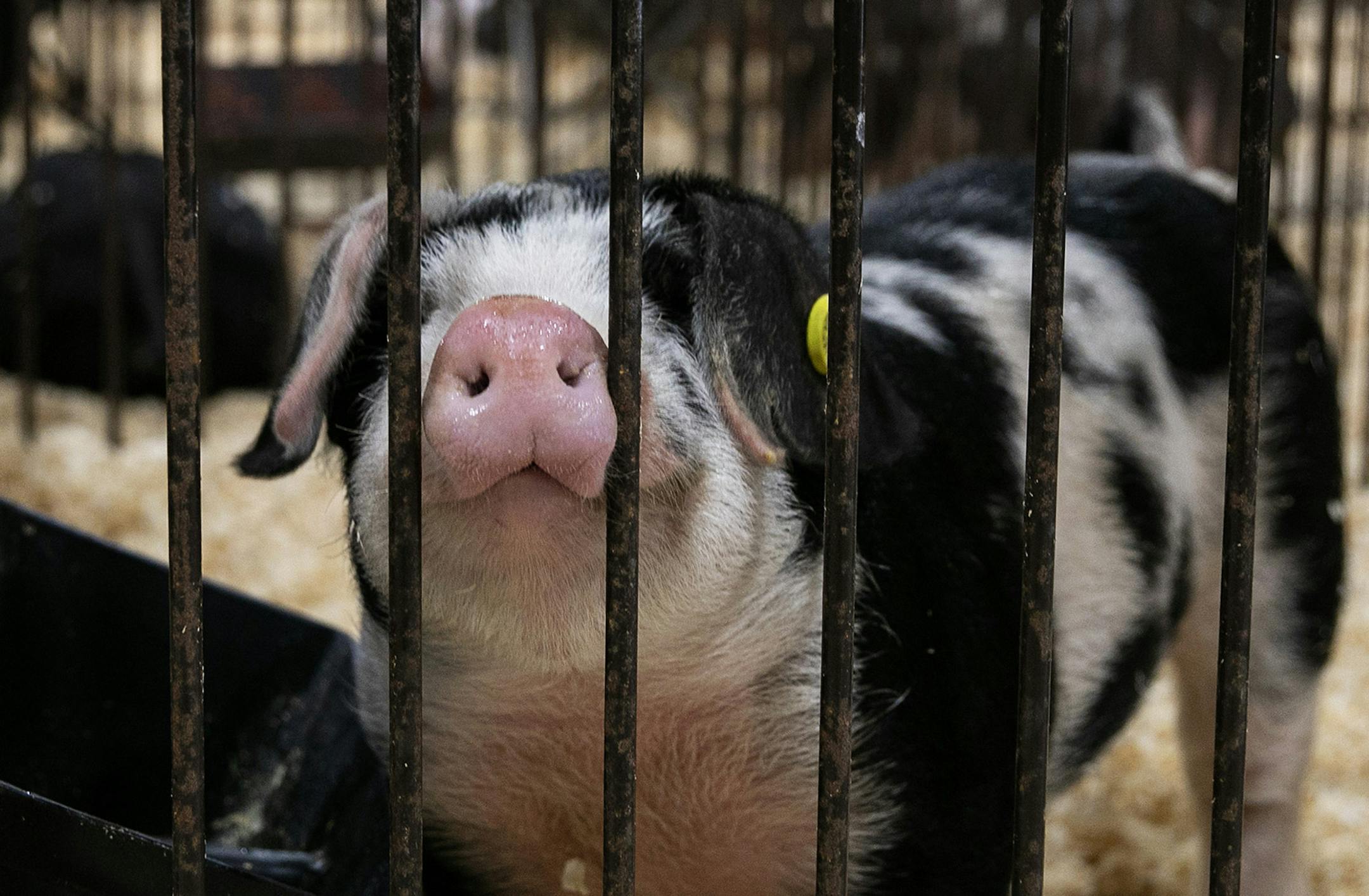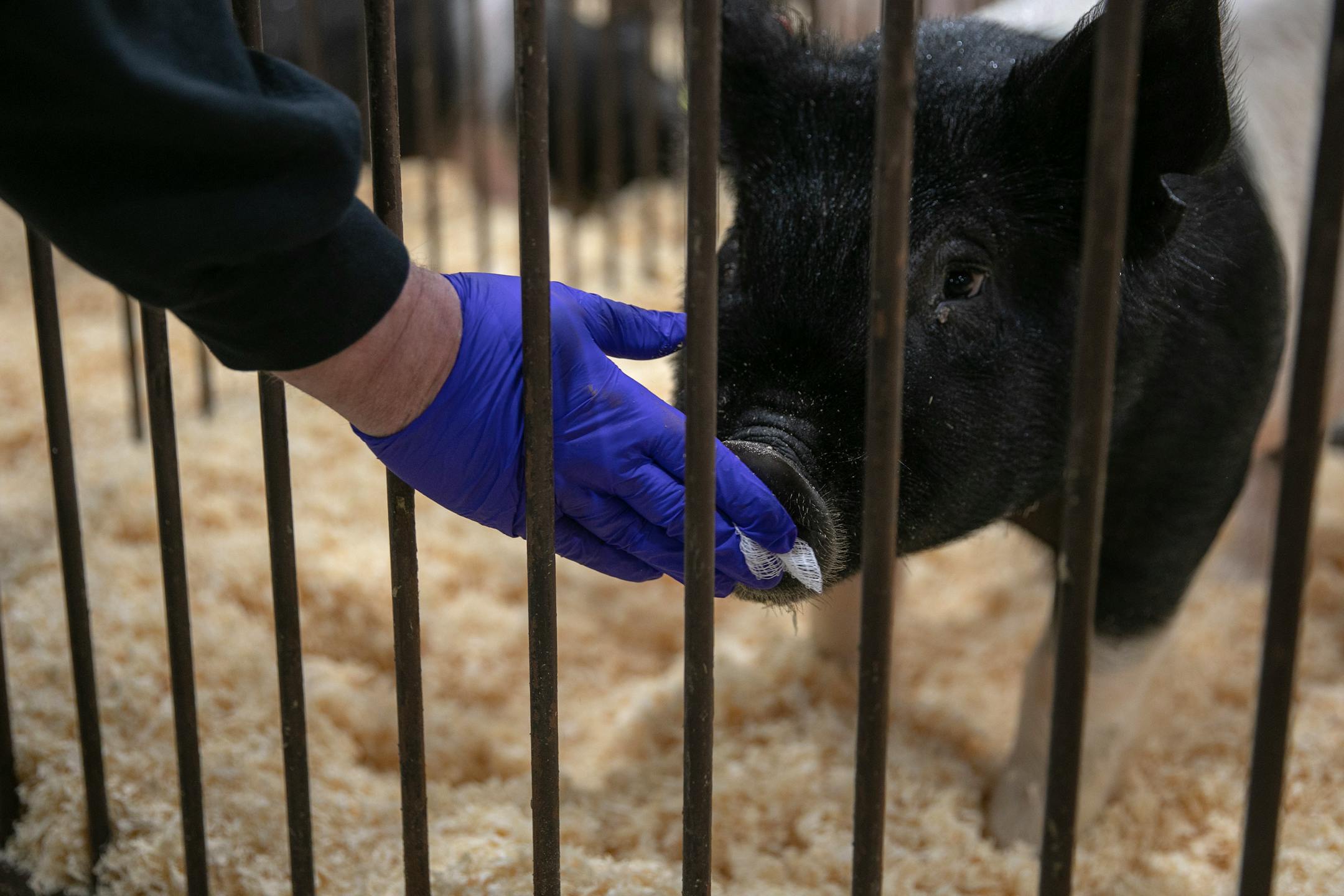
It was showtime at the youth swine exhibition, and the pig barn was bustling. The competitors, ages 3 to 21, were practicing their walks for the show ring and brushing pig bristles into place. Parents were braiding children's hair, adding ribbons and pig-shaped barrettes. Dr. Andrew Bowman, a molecular epidemiologist at Ohio State University, was striding through the barn in waterproof green overalls, searching for swine snot. He soon spotted an appealing subject: a pig sticking its nose out from between the bars of its enclosure. "We have a total bias for snouts out," he said. Later, back in the lab, Bowman and his colleagues would discover that several of the snouts snuffling around this busy barn in New Lexington, Ohio, were harboring influenza.
The world is emerging from a pandemic that killed at least 6.9 million people. It won't be the last. Outbreaks of zoonotic diseases, which can spread between animals and humans, have become more frequent in recent decades, and animal pathogens will continue spilling over into human populations in the years ahead. To Americans, spillover might seem like a distant problem, a danger that dwells in places like the live animal market in Wuhan, China, that may have been the origin of the COVID-19 pandemic.
"I think there's this real feeling here in the U.S. that disease is something that comes from elsewhere," said Ann Linder, an associate director at the animal law and policy program at Harvard Law School.
But there is risk in our own backyards — and barnyards. Since 2011, there have been more confirmed human cases of swine flu in the United States than anywhere else in the world. (That may be because other nations are doing less testing and surveillance, and many cases here and abroad are likely to go undetected, experts say.) Most have been linked to agricultural shows and fairs. "They have become kind of hot spots," Linder said.
Although flu is often mild in pigs, the animals are renowned for giving rise to novel flu variants. In 2009, one of these new variants, which originated in pigs in Mexico, set off a pandemic that killed at least 150,000 people, according to estimates from the Centers for Disease Control and Prevention.
"Lots of folks say, 'Well, it's just flu, what's the big deal?' " Bowman said. "If it's the next pandemic, then it's really bad."
For more than a decade, Bowman and his colleagues have been documenting the dangers and seeking ways to make swine shows safer. Meaningfully reducing the risks will require looking past the pigs to creatures on the other side of the spillover equation. What needs to change, Bowman said, "is an awful lot of human behavior."
Pigs play a key role in the evolution of influenza. They can be infected by swine, bird and human flu viruses simultaneously, serving as mixing vessels in which different strains can reshuffle their genetic material, yielding new versions of the virus.