

Who can blame U.K. Prime Minister Theresa May for calling an election now, as her own Conservative Party mandarins have been urging?
Her party enjoys a 21-percentage-point lead in the polls. The opposition Labour Party is weak and divided, and the British economy has yet to register the expected wobbles in the wake of last year's vote to leave the European Union. What better time to crush the opposition and beef up the Conservatives' 17-seat majority in Parliament?
Yet May's decision is as strategically flawed as it is tactically clever.
First, she risks losing credibility. Having promised not to get distracted by an election campaign before the current term expires in 2020 — working out the nuts and bolts of Brexit, after all, is hard work — she's now reversed herself. Voters are accustomed to politicians who go back on their word, so she may be forgiven. But the volte-face won't be forgotten. Voters will wonder whether other pledges will be similarly rethought if there's political advantage to be gained.
Second, May risks offending the cherished British notion of fair play. She has fired the start gun before her competition has even rolled out of bed. She'll win, but she risks sparking a nascent sympathy vote for the first underdog to show some signs of life.
It's almost cruel to hold an election now given the hapless state of Labour. At the start of the year, the country's oldest think tank, the Fabian Society, declared Labour unelectable, despite having helped to found the party and long being closely associated with its causes. The threat of Britain becoming a one-party state is real enough that the Economist put the prospect on the cover.
The U.K. Independence Party has an unrecognizable leader and no clear mission. The one-time Conservative coalition partner, Britain's Liberal Democratic Party, is down to nine seats. It is, on the back of strong support for remaining in the E.U., registering a pulse again, but it's a long way from being competition-ready. Even the fiery Scottish Nationalists look to have miscalculated in their call for a new independence referendum before negotiations with the E.U. about the terms of the U.K.'s departure are even truly underway.
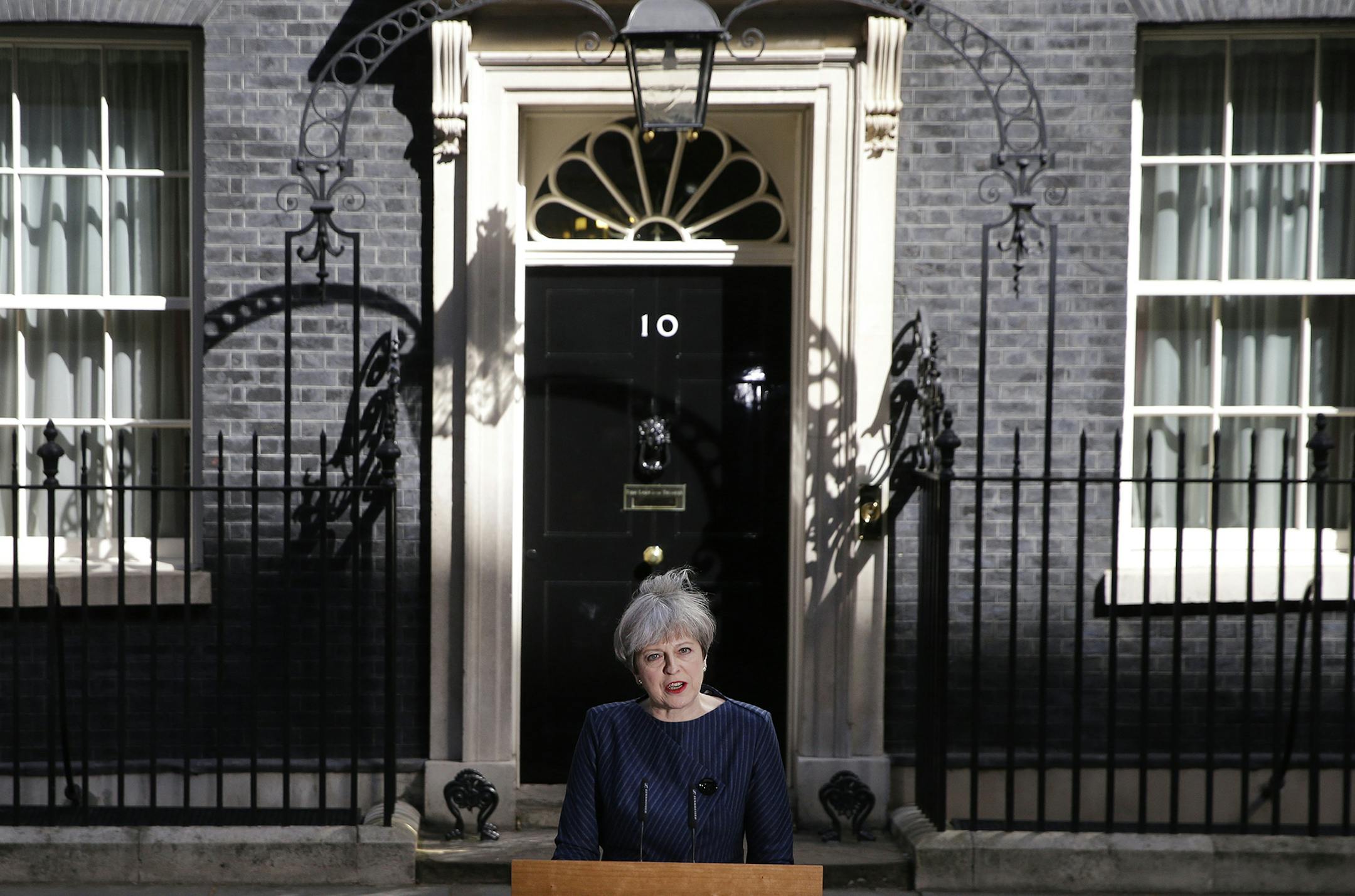
Third, there is something troubling about the way May framed her decision in a Tuesday speech — something that sounds too close to an attempt to stifle debate.


