

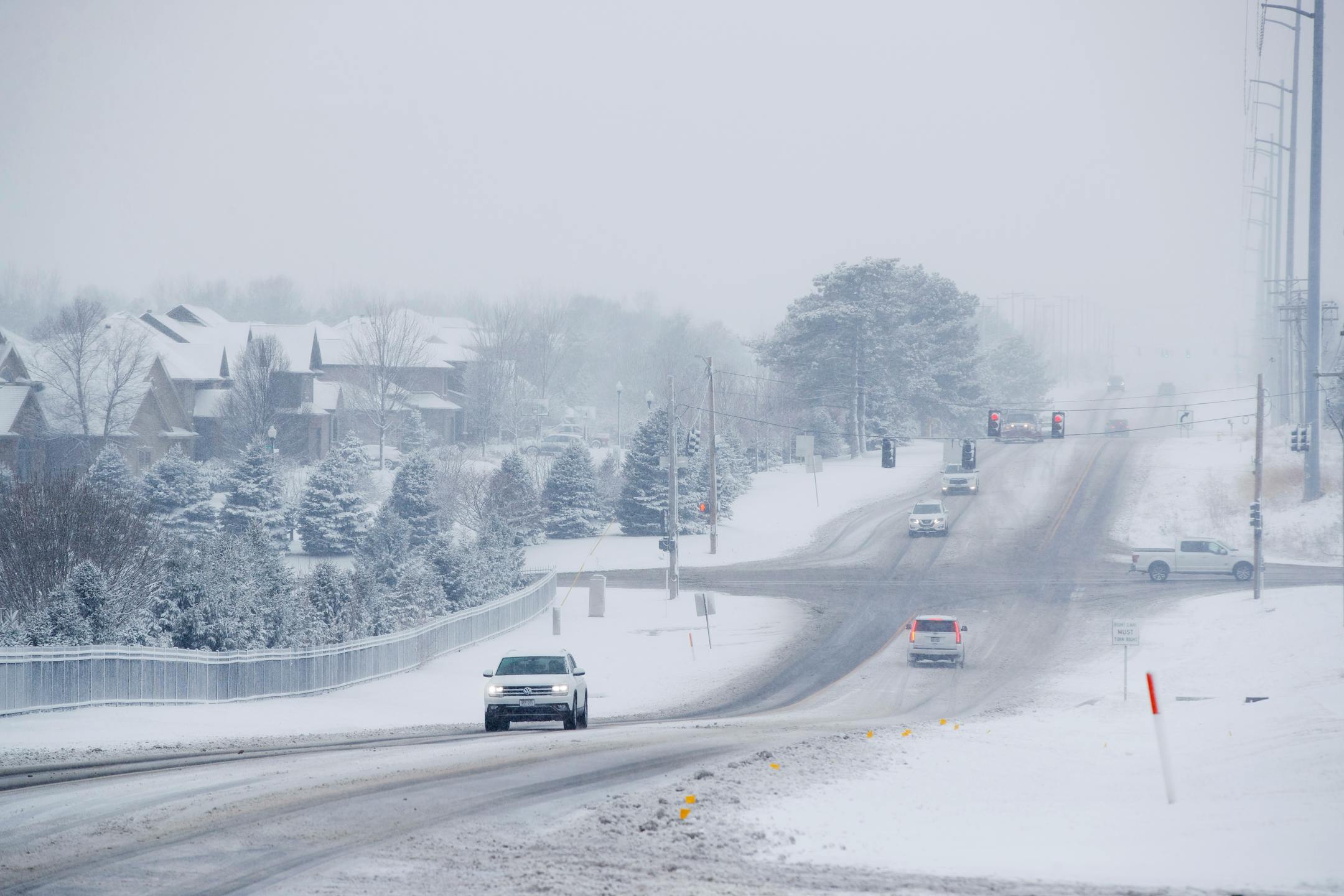
The winter driving season arrived this week, making this is a good time to make sure you and your vehicle are ready for what lies ahead. Experts say you should consider these things when preparing for winter driving:
Winter tires
Formerly called snow tires, winter tires are perhaps the most significant thing you can do for greater winter safety and mobility, but, correspondingly, the most expensive.
The thinnest layer of ice or snow can impair your ability to steer and — perhaps more important — stop. Winter tires give you more control. They have tread patterns that help on ice and snow, but the biggest difference is in materials that maintain grip in cold weather.
"Winter tires help keep you safe by providing better control for emergency maneuvers or even day-to-day incidents, shorter stopping distances," said T.J. Campbell, tire information manager at online retailer Tire Rack. "All your vehicle's safety systems — all-wheel drive, antilock brakes, traction control, stability control, lane departure and braking assist — they all work better when the tires have improved traction."
Most new vehicles come with tires labeled "all-season." That's optimistic. You can use them year-round, but their chemistry means they get stiffer and offer less grip below 40 degrees, when you're also most likely to encounter snow and ice.
Winter tires do the opposite. They wear out faster at temperatures above 40, though. That means you should remove them around St. Patrick's Day.
Buying an extra set of tires costs money, as does having them mounted and removed when the seasons change. But keep in mind that using winter tires three to four months a year extends the life of your other tires.
Regardless of which tires you use, check their tread. You can check tire tread easily with a coin, and many tires have a built-in tread indicator.

