

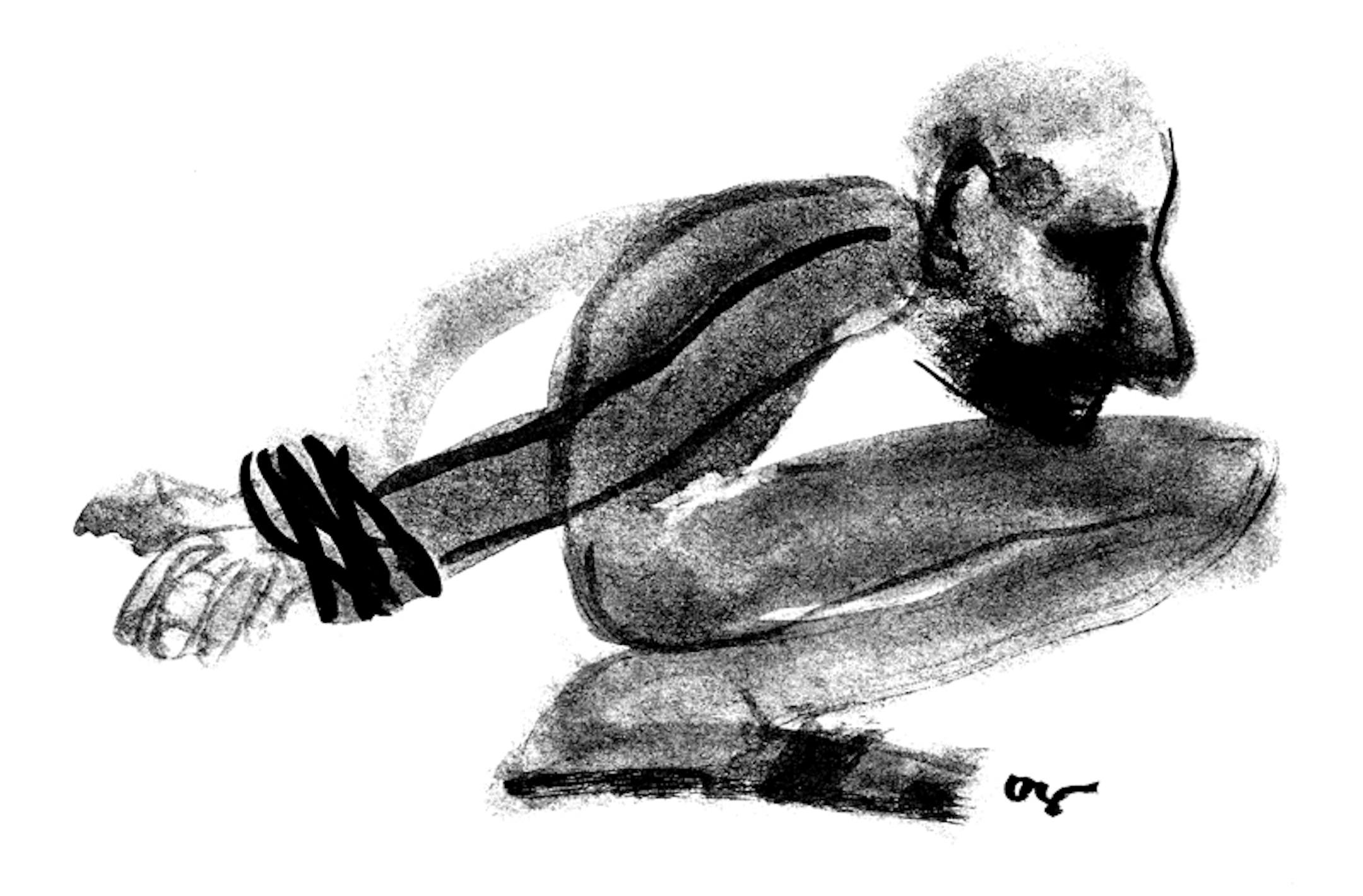
Did "enhanced interrogation techniques" help us find Osama bin Laden and destroy Al-Qaida? Were they torture? Were they wrong?
Last week, three former CIA officials grappled with those questions in a forum at the American Enterprise Institute. The discussion was supposed to be about the movie "Zero Dark Thirty." But it was really a glimpse of the thinking of the people who ran and justified the detainee interrogation program.
It's also a chance to examine our own thinking. Do we really understand what the CIA did and why? Was the payoff worth the moral cost? And what can we learn from it?
Former CIA director Michael Hayden led the panel. He was joined by Jose Rodriguez, who ran the agency's National Clandestine Service, and John Rizzo, who served as the CIA's chief legal officer.
The stories they told, and the reasons they offered, shook up my assumptions about the interrogation program. They might shake up yours, too. Here's what they said:
1. The detention program was a human library.
The panelists didn't use that term, but it reflects what they described. After detainees were interrogated, the CIA kept them around for future inquiries and to monitor their communications.
Sometimes this yielded a nugget, such as Khalid Shaikh Mohammed's message to his fellow detainees: "Do not say a word about the courier."


