

On Good Friday, four French journalists who had been bound and blindfolded were found by Turkish soldiers on the Turkey-Syria border. They were held in cruel conditions in Syria for 10 months, allegedly by the Islamic State of Iraq and Syria (ISIS), a jihadist group that's just one of the factions trying to topple Syrian President Bashar Assad's repressive regime. Journalist Didier Francois described the detention as "rough … and sometimes violent," but added that he never lost hope.
For most, however, hope — like nearly every other human necessity — is in short supply in Syria.
More than 150,000 people have been killed and 9.3 million have sought refuge within Syria or in neighboring nations since the vicious civil war (or revolution, to others) began three years ago. Among those dead or missing are journalists who are targeted by both sides.
Last year the Committee to Protect Journalists said Syria was the world's most dangerous place for journalists, and last week CPJ ranked Syria fifth on its "Global Impunity Index" of countries where journalists are murdered and the killers go free.
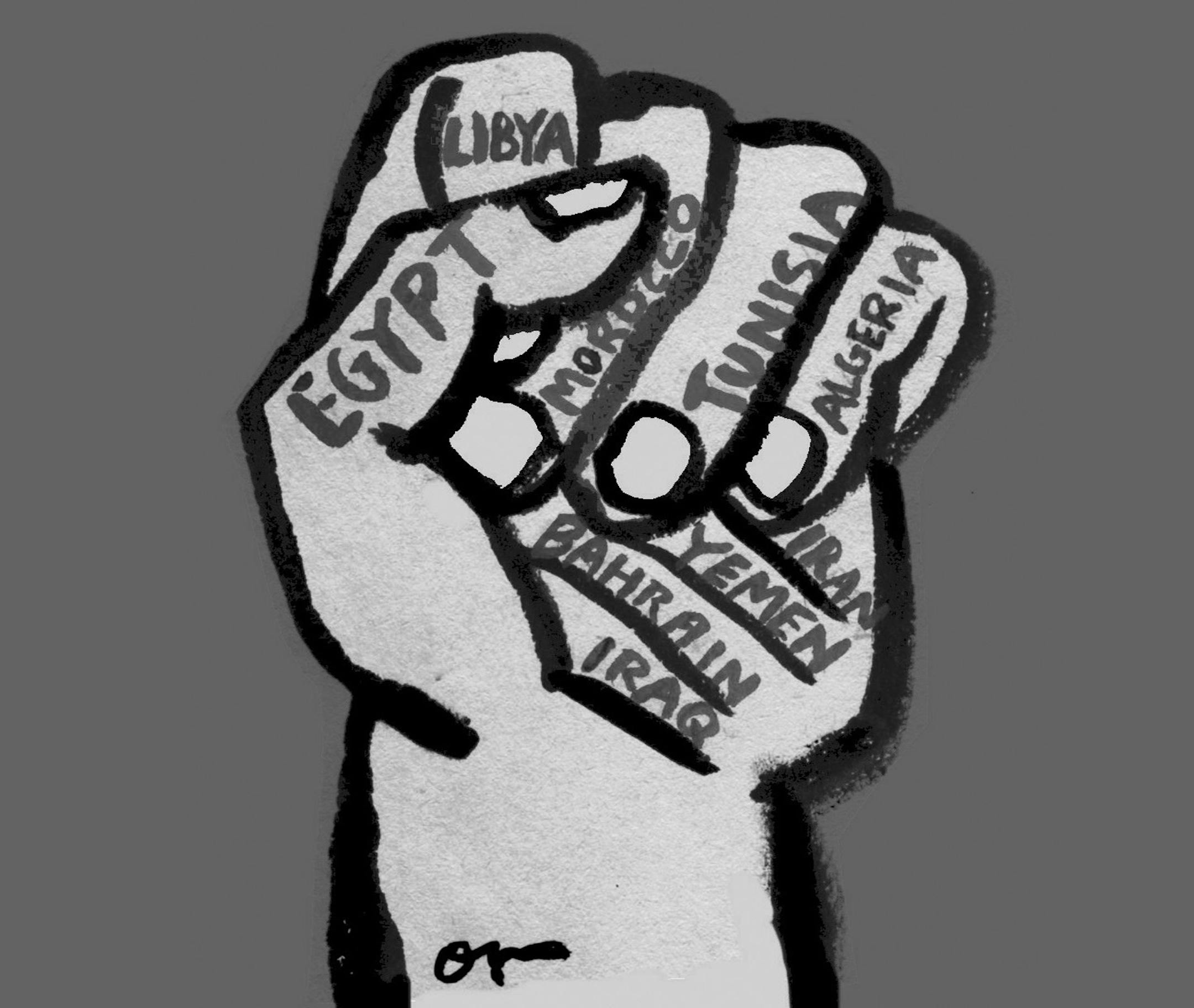
The Syrian spiral began in 2011 as peaceful protests. But like many nations affected by the Islamic awakening — the topic of this month's Minnesota International Center "Great Decisions" discussion — peaceful protests devolved into violence.
In March, a group of Syrian journalists were in Minneapolis on a trip sponsored by the State Department's International Visitor Leadership Program. Most work for Orient News TV, a Dubai-based network that reports on Syria. (Orient closed its Damascus bureau after an Assad cousin demanded 80 percent control, the journalists said.) Sixty reporters work for the network; 45 are still inside Syria. But like so many news organizations, Orient TV journalists have lost colleagues. Four have been killed and five kidnapped.
The regime and ISIS are equally dangerous, Bureau Chief Muhannad Sayed Ali told me last month. "They treat journalists the same way — like traitors and spies." Ali believes that for foreign correspondents, considered "soft targets" because they lack locals' language and geographic skills, it is even riskier.
But news editor Riad J. Ali (no relation to Muhannad) disagrees. He said that most international journalists often report from safer areas and that if they are kidnapped their governments work diplomatic channels to rescue them just like the French government did.


