
'The change of life' also changes your race times

The Washington Post
January 8, 2017 at 3:58AM
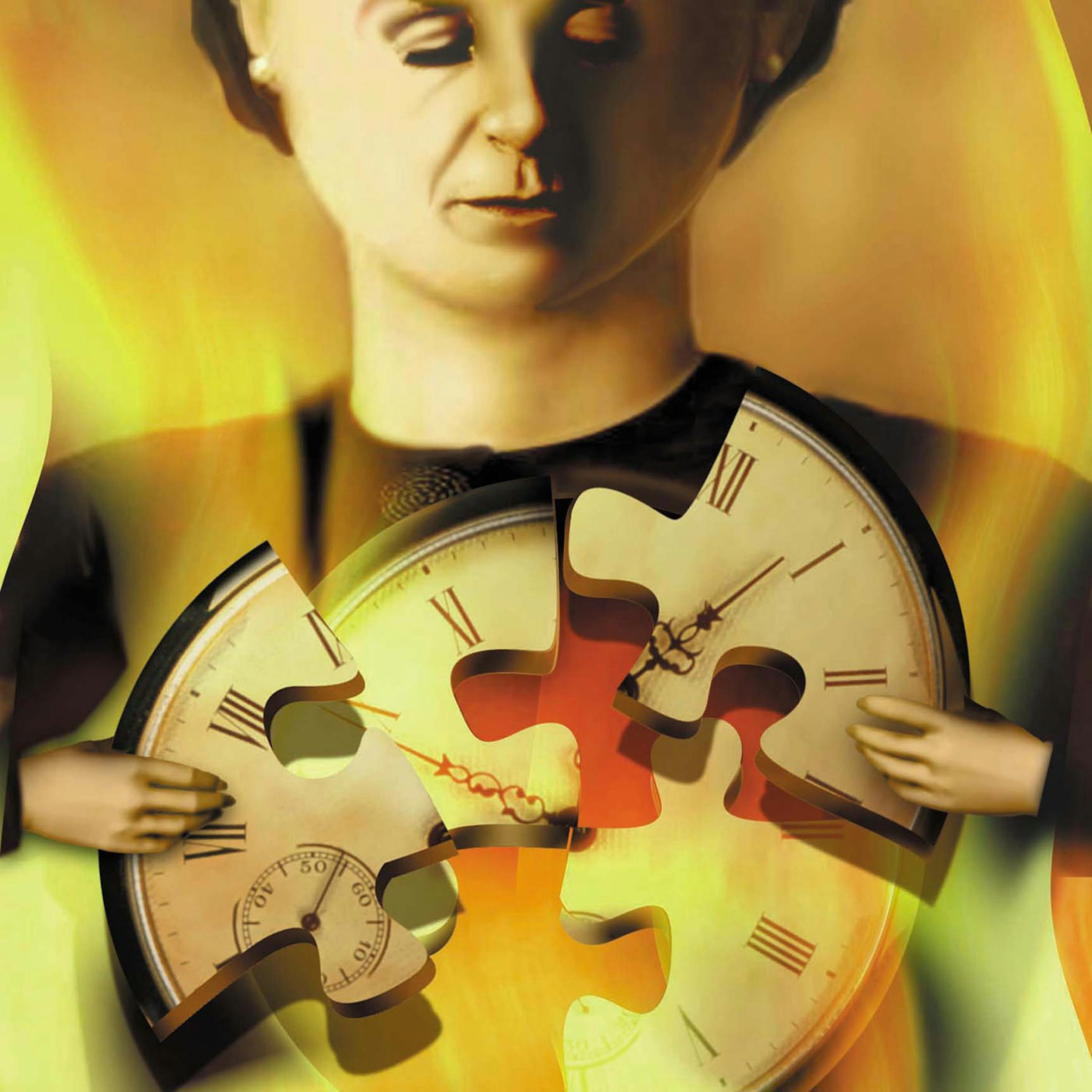
300 dpi 3 col x 5.75 in / 146x146 mm / 497x497 pixels Rick Nease color illustration of mature woman holding the broken puzzle pieces of a clock. Detroit Free Press 2002 <p>
KEYWORDS: menopause women health aging biological clock time memory alzheimers illustration menopausia mujer salud edad reloj biologico tiempo memoria envejecimiento ilustracion grabado contributed de nease 2002
300 dpi 3 col x 5.75 in / 146x146 mm / 497x497 pixels Rick Nease color illustration of mature woman holding the broken puzzle pieces of a clock. Detroit Free Press 2002 KEYWORDS: menopause women health aging biological clock time memory alzheimers illustration menopausia mujer salud edad reloj biologico tiempo memoria envejecimiento ilustracion grabado contributed de nease 2002 (Krt/The Minnesota Star Tribune)

Hey, active women of a certain age: We've got good news and bad news for you.

The good news is that you are probably going to weather menopause better than your sofa-bound sisters.

The bad news is that "the change of life" doesn't just affect your mood and your lady parts — it also drags down your race times.

Menopause is when the monthly waves of estrogen and other hormones that women have been surfing since puberty finally ebb for good. Periods cease, of course, but all kinds of other biological processes change as well, including some that affect athletic performance.

Combine that with other age-related decline, and you find that your body is a different machine from the one that glided through your 20s and 30s. You're still an athlete — you just have to figure out your new normal.

"Just because you hit a certain age, your body doesn't stop," said Stacy Sims, a nutrition scientist and physiologist in New Zealand who has studied women's performance for 25 years.

"The fitter you are, the less of a problem these [changes] are. When you are competing, that's when you really feel them, because you are, like, 'What is going on?'

"But when you're keeping fit, then all these things are easier to handle."

But what if you're not very fit right now?

"It is definitely not too late — that's the greatest thing about this," said Monica Serra, a research scientist at the VA Maryland Health Care System who has written about postmenopausal competitive athletes. "If you start exercising, you can build your bone mass, you can build your lean mass, you can lose the fat mass, you can improve the quality of your muscle. ... Research says people who exercise have a better quality of life."

Washington Post

about the writer

about the writer

More from No Section

See More
FILE -- A rent deposit slot at an apartment complex in Tucker, Ga., on July 21, 2020. As an eviction crisis has seemed increasingly likely this summer, everyone in the housing market has made the same plea to Washington: Send money — lots of it — that would keep renters in their homes and landlords afloat. (Melissa Golden/The New York Times) ORG XMIT: XNYT58
Melissa Golden/The New York Times

It’s too soon to tell how much the immigration crackdown is to blame.