

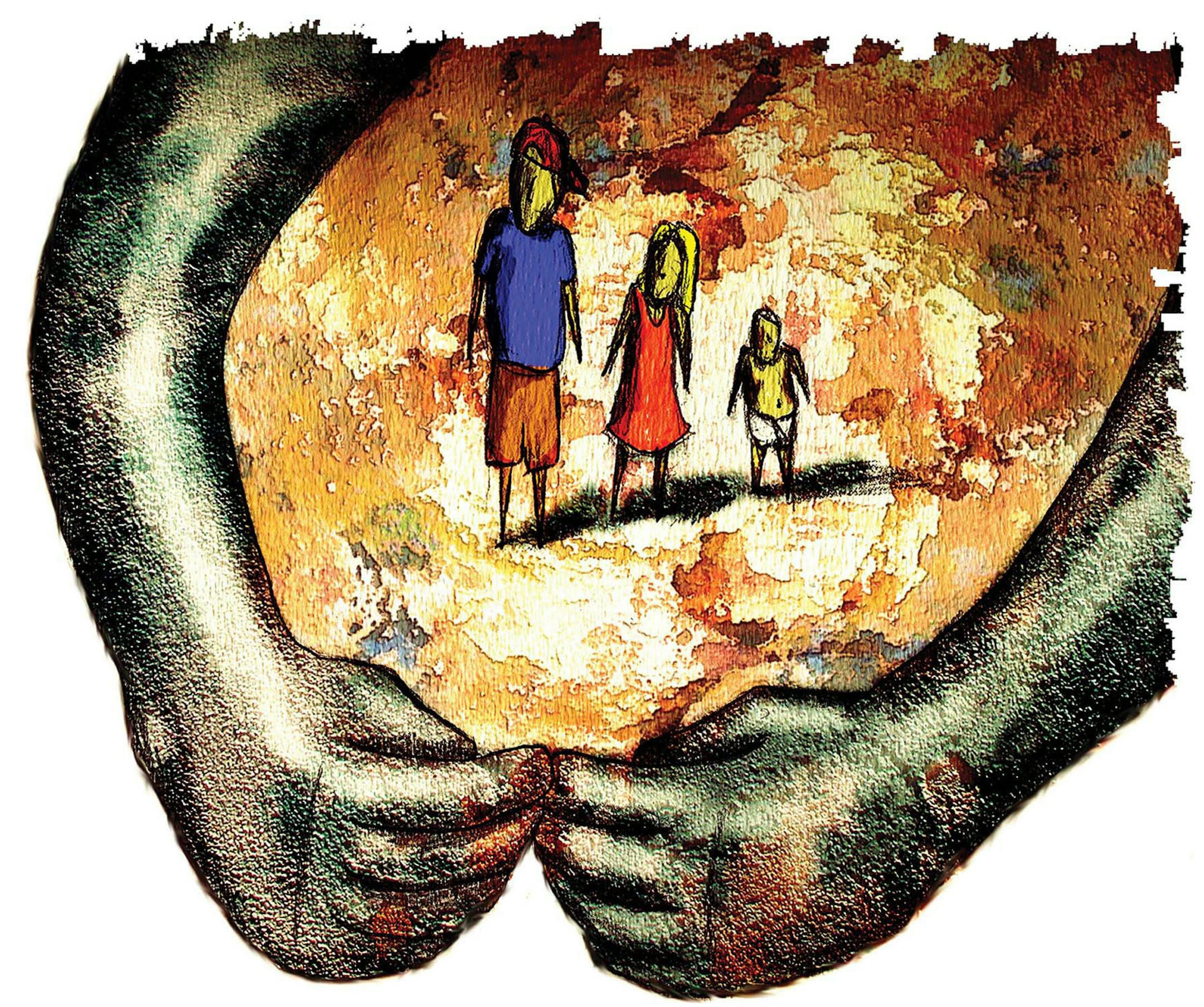
On Friday, Gov. Mark Dayton's Task Force on the Protection of Children met for the fourth time. While the issues the group is trying to tackle may seem grown in the Midwest, they have strong parallels with what is going on all the way out in Los Angeles County.
By looking west to L.A.'s current child protection reform process, Minnesota's child welfare leaders may find some ideas to consider — one being the naming a child protection czar to compel all child-serving public agencies to live up to their end of the bargain in keeping children safe.
But before we get there, let's lay out the context. Tell me if this story sounds familiar.
On May 22, 2013, a call came into the fire department in dusty Palmdale, Calif. Eight-year-old Gabriel Fernandez had stopped breathing. The boy would die two days later, his smiling school portrait and the wretched account of his death quickly dominating the news cycle in Los Angeles.
Gabriel's death, the media coverage that followed and a report on child deaths leaked to the Los Angeles Times in February 2013 created an urgency among the county's all-powerful board of supervisors, who in turn authorized the creation of a Blue Ribbon Commission on Child Protection.
Eight months later, in April, L.A.'s Blue Ribbon Commission issued a 42-point laundry list of recommended reforms in its final report. The one that gained the most attention was the creation of an Office of Child Protection, which would be vested "with County-wide authority to coordinate, plan, and implement one unified child protection system."
The idea is that protecting children is a job much bigger than Child Protective Services. Law enforcement authorities, mental health and public health agencies, schools, and every other public entity that serves children all have a role to play in making children safe.
The issues in Los Angeles County — the largest child protection system in the world — and those found in Minnesota are largely the same. In both cases, the respective child protective systems are scrambling to deal with a child maltreatment threat that they could never really handle on their own.


