

Picture this: You're driving home from work, contemplating what to make for dinner, and as you idle at a red light near your neighborhood pizzeria, an ad offering $5 off a pepperoni pie pops up on your dashboard screen.
Are you annoyed that your car's trying to sell you something, or pleasantly persuaded? Telenav Inc., a company developing in-car advertising software, is betting you won't mind much. Car companies — looking to earn some extra money — hope so, too.
Automakers have been installing wireless connections in vehicles and collecting data for decades. But the sheer volume of software and sensors in new vehicles, combined with artificial intelligence that can sift through data at ever-quickening speeds, means new services and revenue streams are quickly emerging. The big question for automakers now is whether they can profit off all the driver data they're capable of collecting without alienating consumers or risking backlash from Washington.
"Carmakers recognize they're fighting a war over customer data," said Roger Lanctot, who works with automakers on data monetization as a consultant for Strategy Analytics. "Your driving behavior, location, has monetary value, not unlike your search activity."
Carmakers' ultimate objective, Lanctot said, is to build a database of consumer preferences that could be aggregated and sold to outside vendors for marketing purposes, much like Google and Facebook do today.
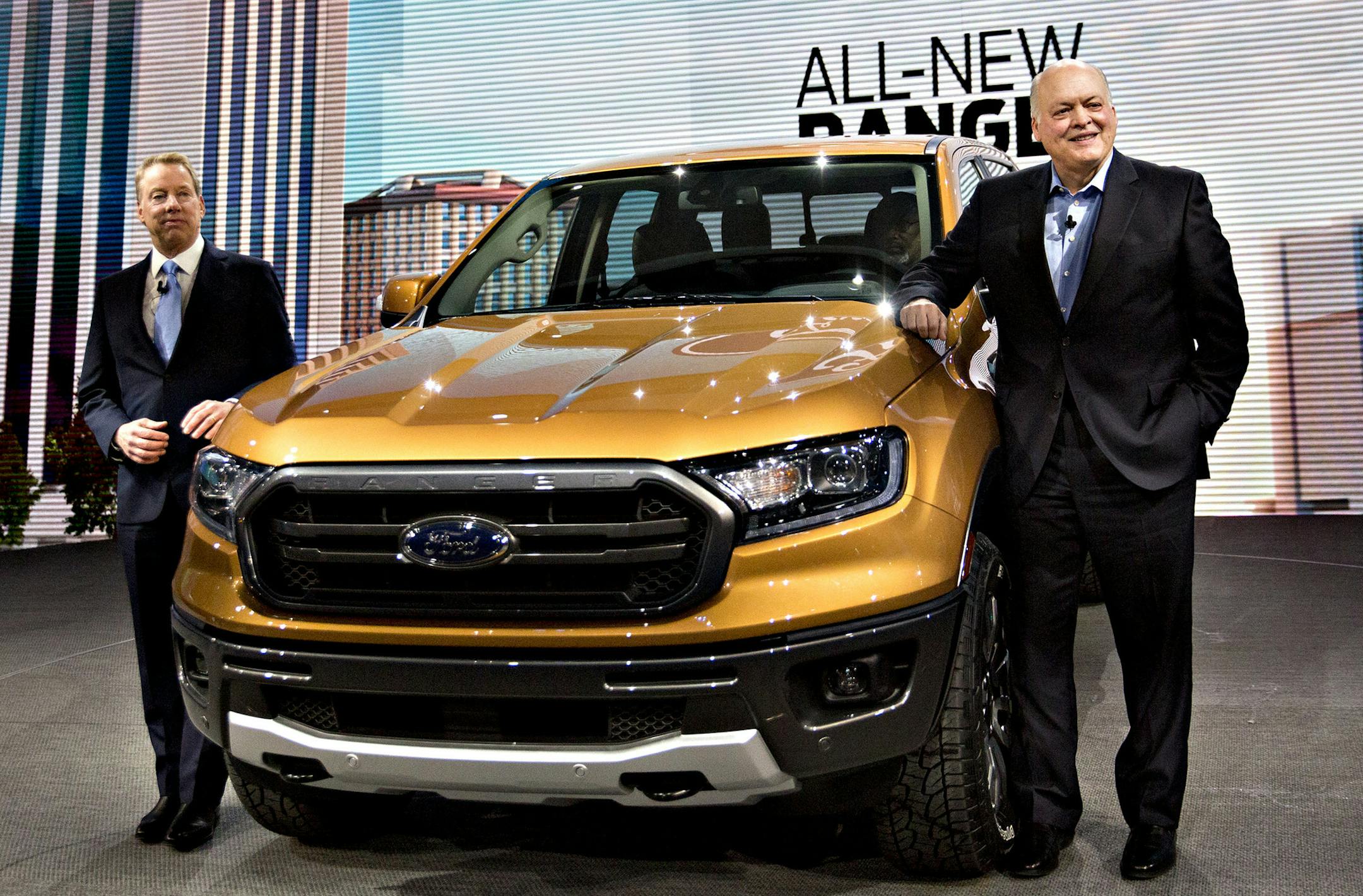
Auto executives emphasize that data-crunching will allow them to build a better driving experience — enabling cars to predict flat tires, find a parking space or charging station, or alert city managers to dangerous intersections where there are frequent accidents. Data collection could even help shield drivers from crime, Ford's chief executive officer said recently at the CES technology trade show.
"If a robber got in the car and took off, would you want us to know where that robber went to catch him?" Jim Hackett asked the audience during a keynote address in Las Vegas. "Are you willing to trade that?"
It was hardly a hypothetical question. Car companies are betting if they offer you the right carrot — discounted car insurance, a coupon at the gas pump — you'll share your data without blinking, just as you do when you post on Facebook or type a query into a Google search.


