If Richard Prince were an article of clothing, he would be a beer-stained wife-beater. Not only is the down-and-out tank top the unofficial uniform of lewd, blue-collar masculinity -- a theme running through the majority of Prince's work -- but it's also a case study in slippery semiotics.
Originally an authentic undershirt, the muscle tee slowly gained infamy as the mark of the domestic abuser, paving the way for the playfully ironic if misogynistic "wife-beater" moniker. Eventually, as the irreverent bit of slang was used over and over, the term lost its puckishness. It became normal -- the actual name used to describe the shirt. (Check the recent style issue of the New Yorker, in which the word pops up repeatedly and unironically.) The wife-beater became a piece of straight-faced vulgarity, a still-offensive idea couched inside a boring piece of everyday clothing.
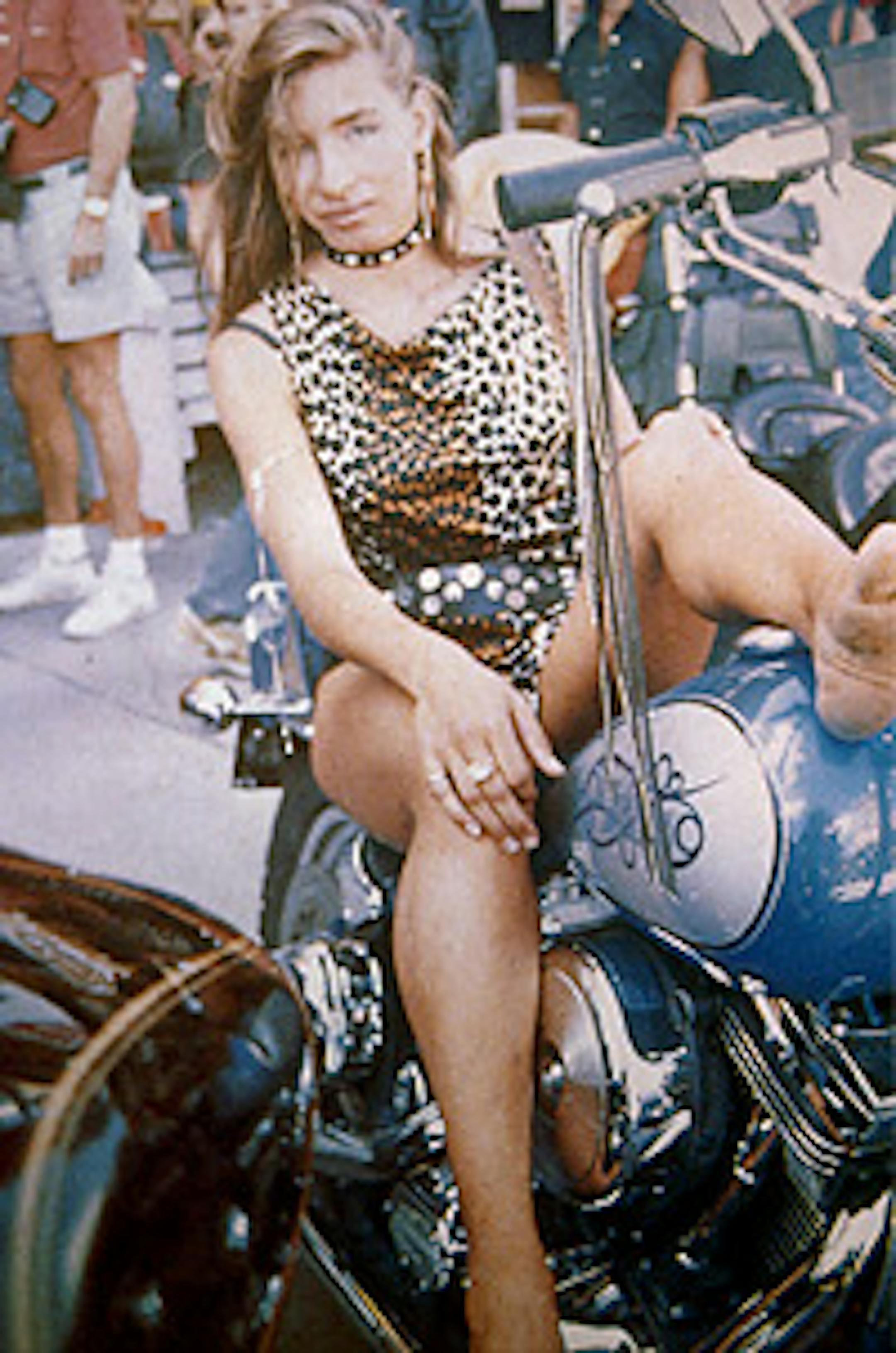
Prince loves this kind of phenomenon -- when things swing in and out of authenticity, when something raunchy becomes deadpan, yet somehow manages to stay pretty raunchy. His hugely acclaimed career retrospective, curated by the Guggenheim Museum's Nancy Spector, is a bonanza of American trash culture -- topless biker chicks, pornographic cartoons, slutty nurses, monster trucks and dirty one-liners of the Don Rickles variety -- but exhibited with the seriousness of an anthropological study. "Spiritual America" opens this weekend at the Walker Art Center, where it will hang for three months before traveling to the Serpentine Gallery in London. Touring the four galleries devoted to the show is like spelunking through the dirty mind of a teenage boy.
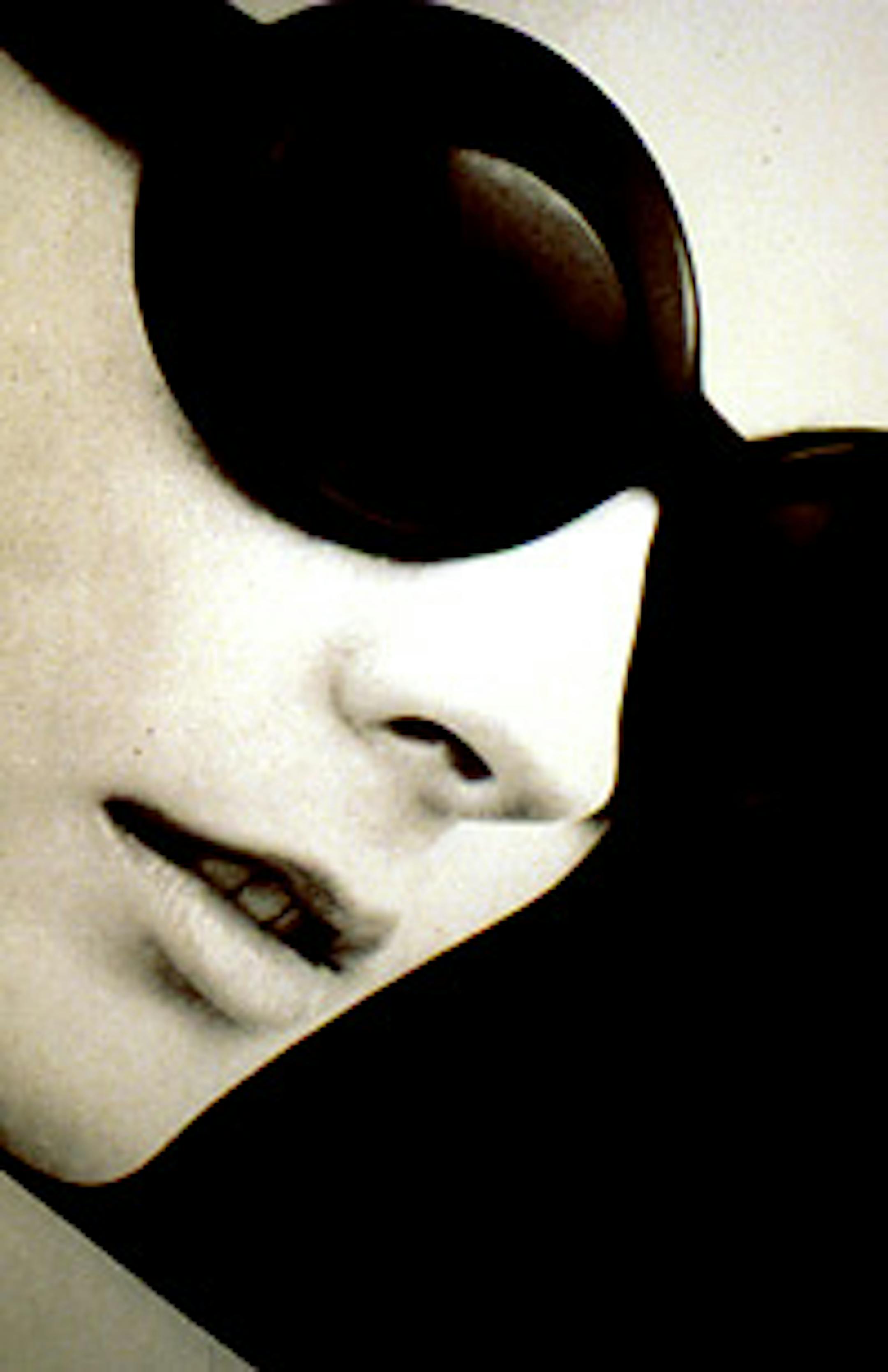
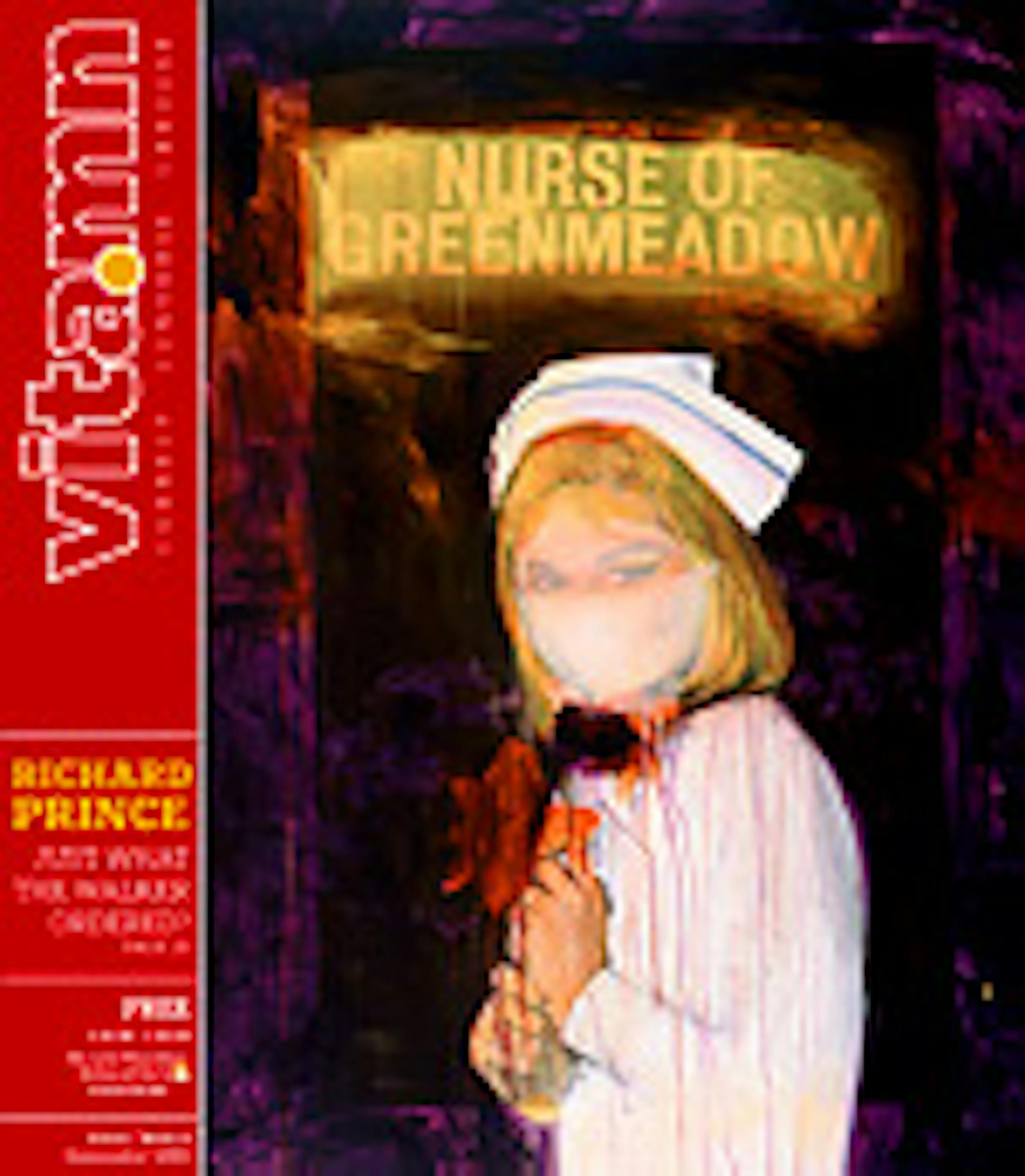
Perhaps the world's most infamous appropriation artist, Prince specializes in bald-faced plagiaries that somehow aren't really plagiaries: photographs of already-famous photographs, mail-ordered muscle-car hoods passed off as original sculptures, hand-copied cartoons from Playboy magazine, authorless jokes stenciled over monochrome canvases. Even his most lavish works of painting -- drippy illustrations of sultry nurses, their inviting lips bleeding through gauzy surgical masks -- are copies of pulp-fiction paperback covers. When Prince does play at serious art, he does so in styles completely cribbed from Jasper Johns, Ed Ruscha and Willem de Kooning. Like a top-billed drag queen, his various pranks ape reality too well; they leapfrog into hyper-reality, a manufactured authenticity that is so aggressive it makes you queasy.
In the 1980s, Prince played the role of rogue prankster, exploiting a New York art scene lathered up over skyrocketing prices and new postmodern theories. His "rephotographs" of magazine advertisements became a cult success. While working in the tear sheet department at Time-Life, he began snapping pictures of glossy ads left over in issues gutted of their editorial content. He cropped them to eliminate any text and then exhibited them as his own work.
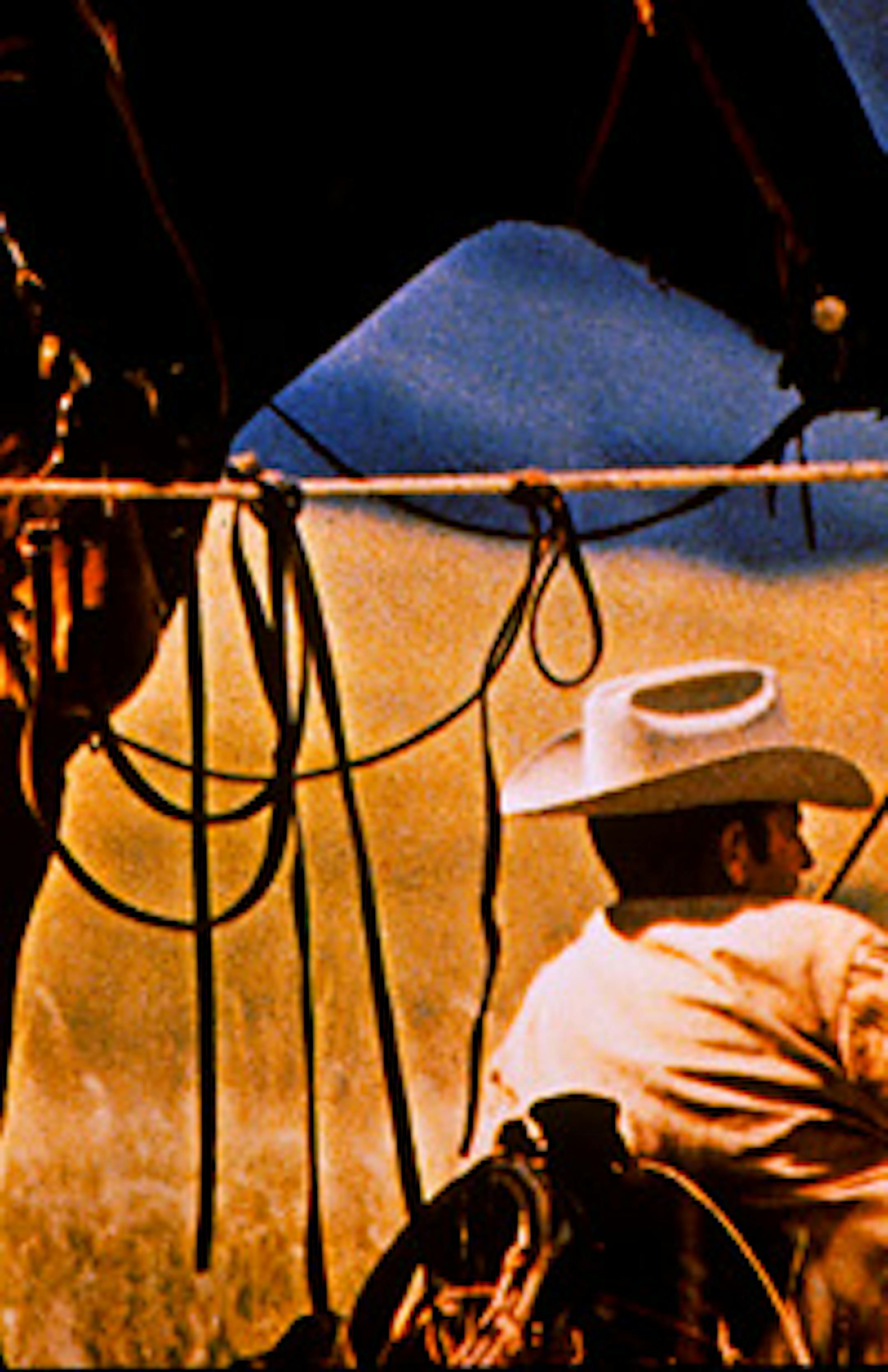
His oversized re-renditions of Marlboro Man ads have become his trademark. In 2005, a "rephotograph" of the iconic, nicotine-addicted cowboy sold for $1.248 million at Christie's auction house. At the time, it was the highest price ever paid for a photograph. And it was literally a picture of a page in a magazine, minus the text.
When asked about his attitude toward piracy, Prince's stated goal is always the same. He has said he strives for "a virtuoso real -- a reality that has the chances of looking real, but a reality that doesn't have any chances of being real."
Such an elliptical response is perfectly characteristic of Prince, the closest thing the art world has to the boogeyman. He has become so adept at obliterating notions of forgery that his very existence has become a sort of pseudo-hoax. Known for faking interviews, fabricating details of his past and inventing fraudulent aliases, Prince has forced critics to take his statements with a grain of salt -- or go mad trying to tease out his true motivations. More akin to a rumor or a ghost story, the supposedly 58-year-old American has become a bit of a spook, operating in the dark furrows of an accordion-folded reality.