The number of wildlife photographers attempting to sell images has mushroomed more than 20-fold in the 35-plus years that Gary Kramer has zoomed in on ducks, wolves, bears, raptors, North American big game, African safari animals and ocean fish.
He laments the ubiquity of digital cameras and the oodles of images they crank out. In the good old days, his profession had a legitimate economic barrier to entry: about 20 cents for every flick of the shutter to pay for film and developing. With unbridled competition, "it's much more difficult to make a living these days,'' he said.
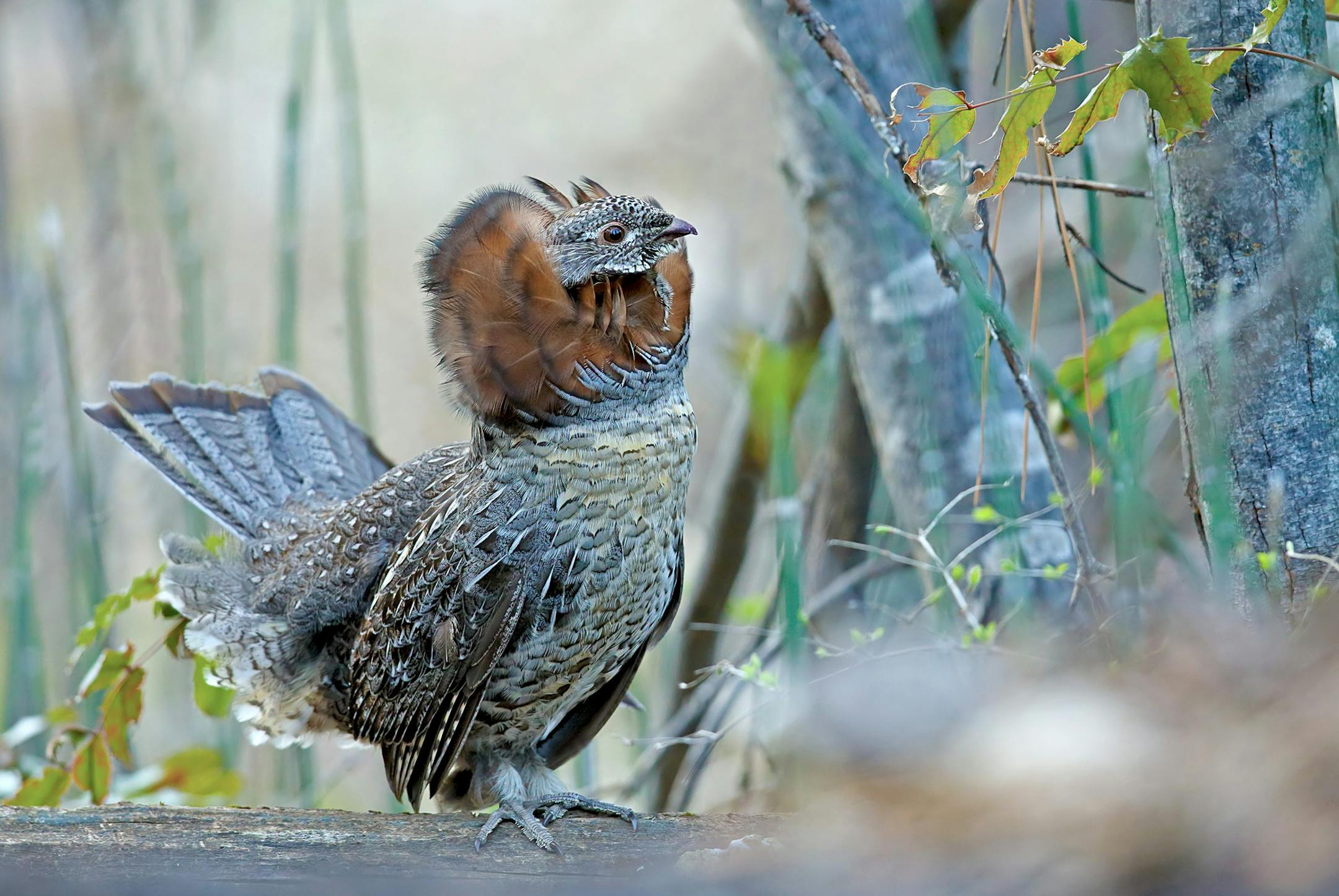
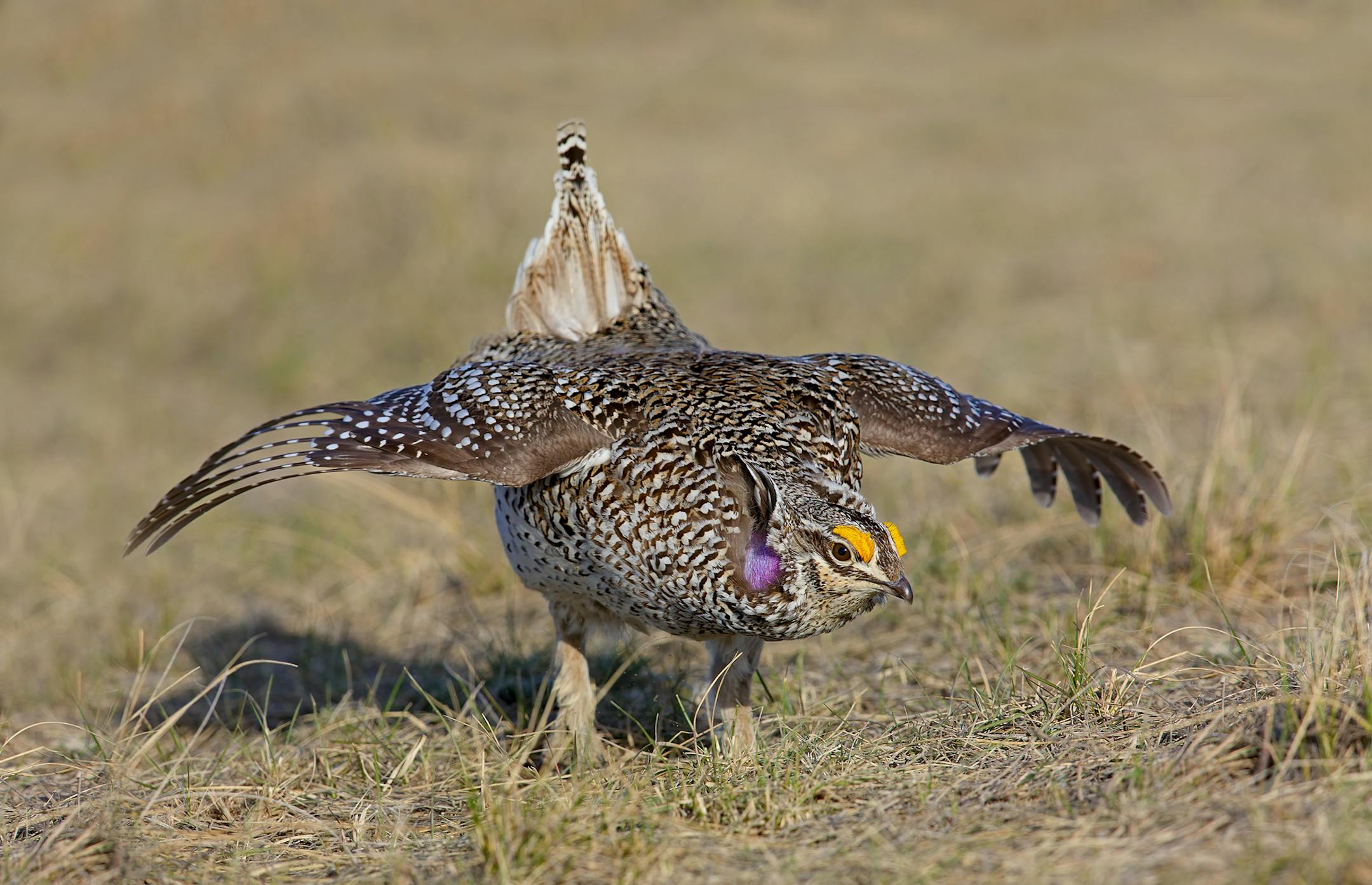
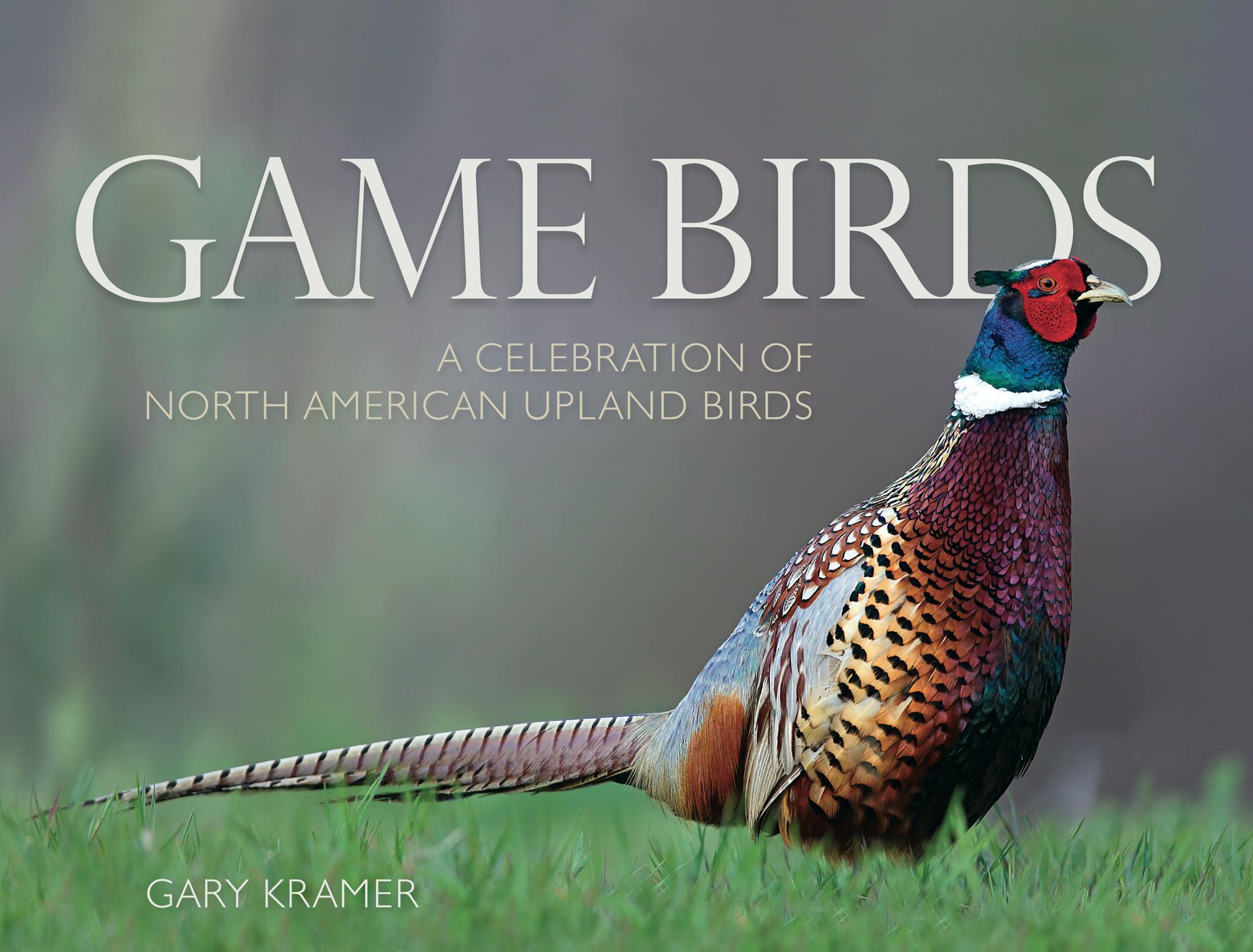
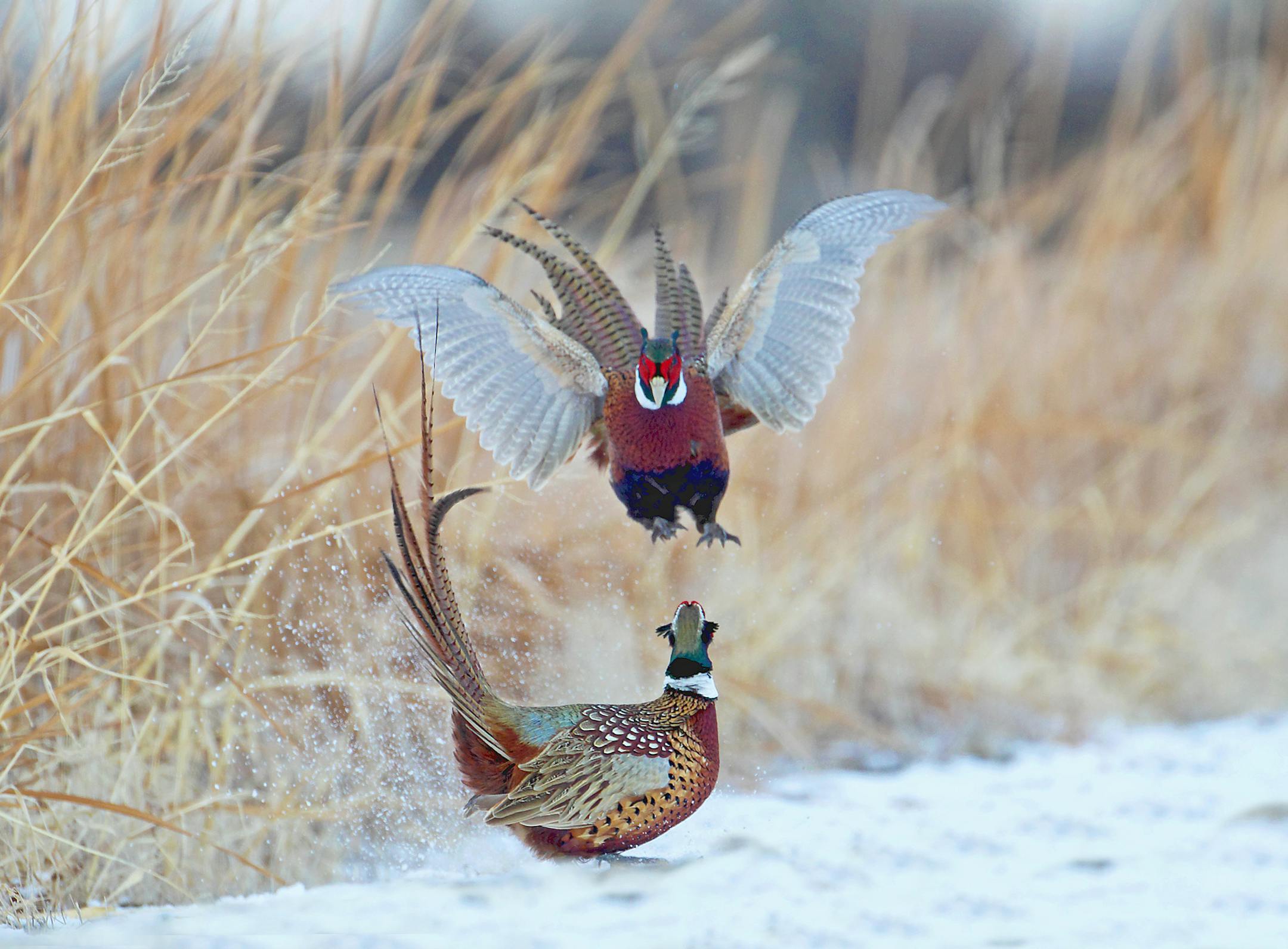
Kramer's latest work, a coffee table book titled "Game Birds, A Celebration of North American Upland Birds," is how he sets himself apart. He made it a mission to photograph all 34 "gallinaceous" game birds found in the United States and Canada, including greater prairie chickens he observed in mating displays in northwestern Minnesota. It's believed to be the first volume by a single photographer to cover all 34 species.
"I can't prove it's never been done by someone else, but no one has come out of the woodwork to suggest I am making a false claim," said Kramer, a wildlife biologist, writer and photographer who retired 18 years ago from his day job at the U.S. Fish and Wildlife Service.
"Game Birds" took Kramer into Nevada's Ruby Mountains by horseback and helicopter. After failing twice to get his shot, he tried a third time, and while camping on a snow-covered rocky ridge, his telephoto lens captured the Himalayan snowcock. The birds are hunted, but are so elusive that the total average annual bag for the whole species is eight birds.
"Some of these shots were nearly impossible to get," he said.
Consider the Attwater's prairie chicken, an endangered subspecies of the greater prairie chicken. Estimated a century ago with a U.S. population of 1 million birds, scientists now believe there's only 125 living in the wild.
Kramer gained rare access to an Attwater's booming ground in Goliad County, Texas. He was guided to a clearing on private land by a biologist from the Nature Conservancy. On the third day, Kramer got so close that he was belly crawling on the same grass where male birds fought, flared their neck feathers, inflated their yellow-orange air sacs and strutted for females.