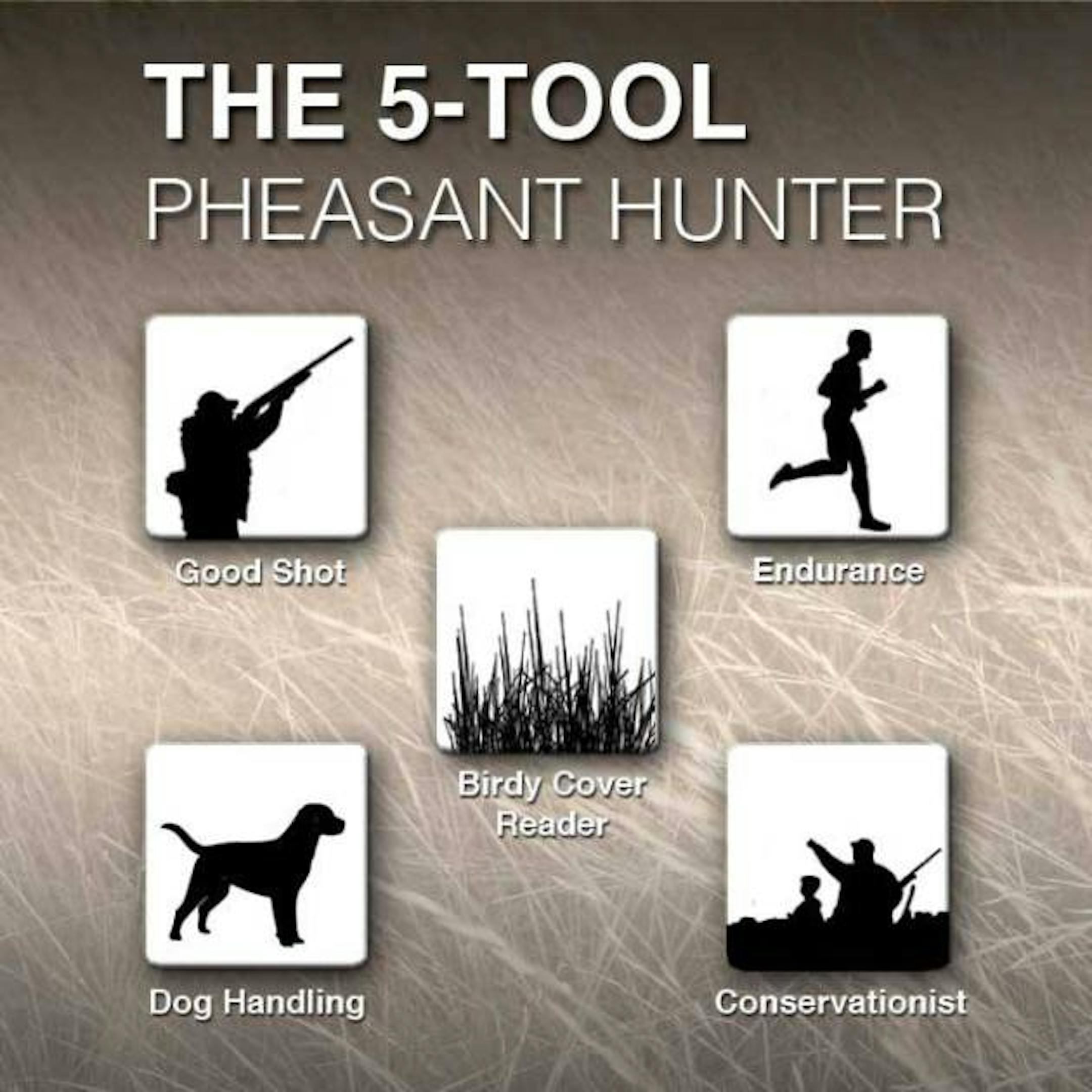
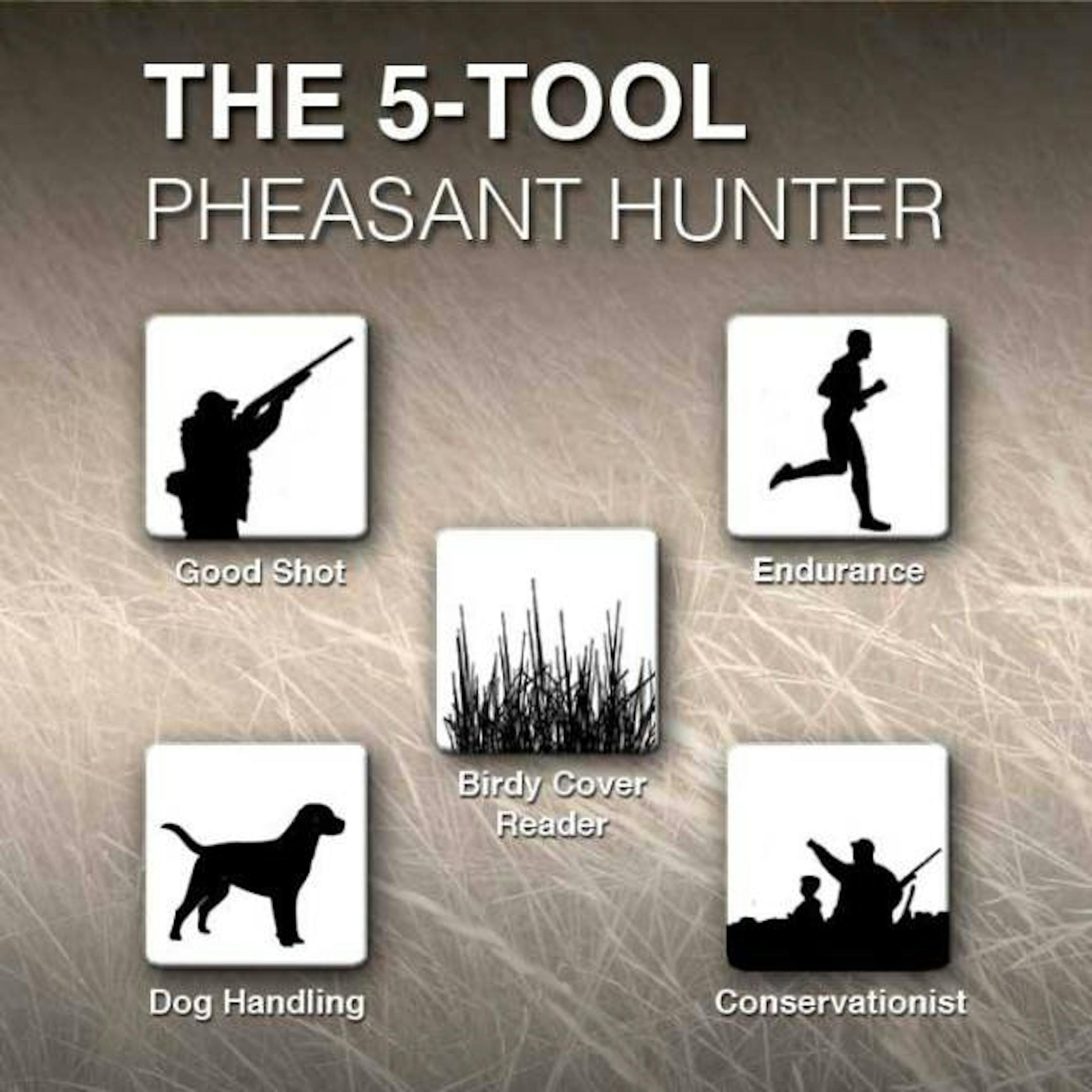
2) Endurance. The best wild rooster chasers I know are also tremendous athletes. If you're going to walk a big up-and-down Dakota prairie or bust a snow-filled cattail slough with resistance against your every step, you'd better come physically fit. A wild pheasant hunt ain't any place for Bubba to work off his summer barbecue beer belly.
Having a good idea of where pheasants will be found depending on time of day or season is a valuable skill to have. Photo by Rehan Nana / Pheasants Forever 3) Birdy Cover Reader. I had a hard time narrowing down this to one single phrase. Under consideration were "Problem Solving Ability," "Habitat Evaluator," and "Signs & Signals," but the premise of this skill is a hunter's ability to visually narrow down the best looking habitat likely to hold birds while also eliminating the low-probability areas so as not to burn off too much energy without hope of reward. Biologists tend to be naturals at this skill; able to identify food sources, loafing areas, and thermal cover other hunters may simply look at and see as tall grass, medium grass, short grass, thick grass, thin grass or no grass. I also absolutely see a correlation in one's ability to judge birdy cover with their length of hunting career. Personally, growing up as a ruffed grouse hunter, I am still a better grouse cover analyst than I am a pheasant habitat reader.
4) Dog Handling. While some folks may choose to go without the help of a bird dog, in my opinion pheasant hunting is a team sport. The canine component of your dynamic duo can close huge gaps in any deficiencies you may have in the first three of the tools described above. When it comes to dog "handling," I am referencing not only your dog's level of skill in scenting, endurance, pointing, flushing, tracking and retrieving, but I'm also encompassing the hunter's ability to train a bird dog, handle a bird dog in the field and (perhaps most importantly) read a dog's body language during a hunt.
Giving back as a conservationist can mean mentoring young hunters in safety and ethics. Photo by Anthony Hauck / Pheasants Forever 5) Conservationist. I liken this category to an athlete possessing "intangibles." True 5-tool pheasant hunters know when NOT to take a shot. The context of any bird hunting situation is constantly changing. Safety and ethics come into play with every shot and a Hall of Fame pheasant hunter is a great quick decision maker. I also view this category as a call to action for any bird hunter who doesn't give back to the habitat ultimately responsible for the birds. "Giving back" can mean a lot of different things to each individual. As a Pheasants Forever employee, I'd like to think every pheasant hunter feels a sense of responsibility to give $35 annually in membership dues to an organization committed to perpetuating the future of pheasant hunting though our habitat mission. However, I think "giving back" can also mean creating quality wildlife habitat on one's own land, engaging politicians in conservation policy or mentoring young hunters in safety and ethics. My point is that being a conservationist is a complex proposition, but it's the 5th tool elevating a pheasant hunter from Barry Bonds to the rare air of Willie Mays.
(The Minnesota Star Tribune)
Did I miss any obvious skills in my assessment of the five most important tools of a pheasant hunter?