

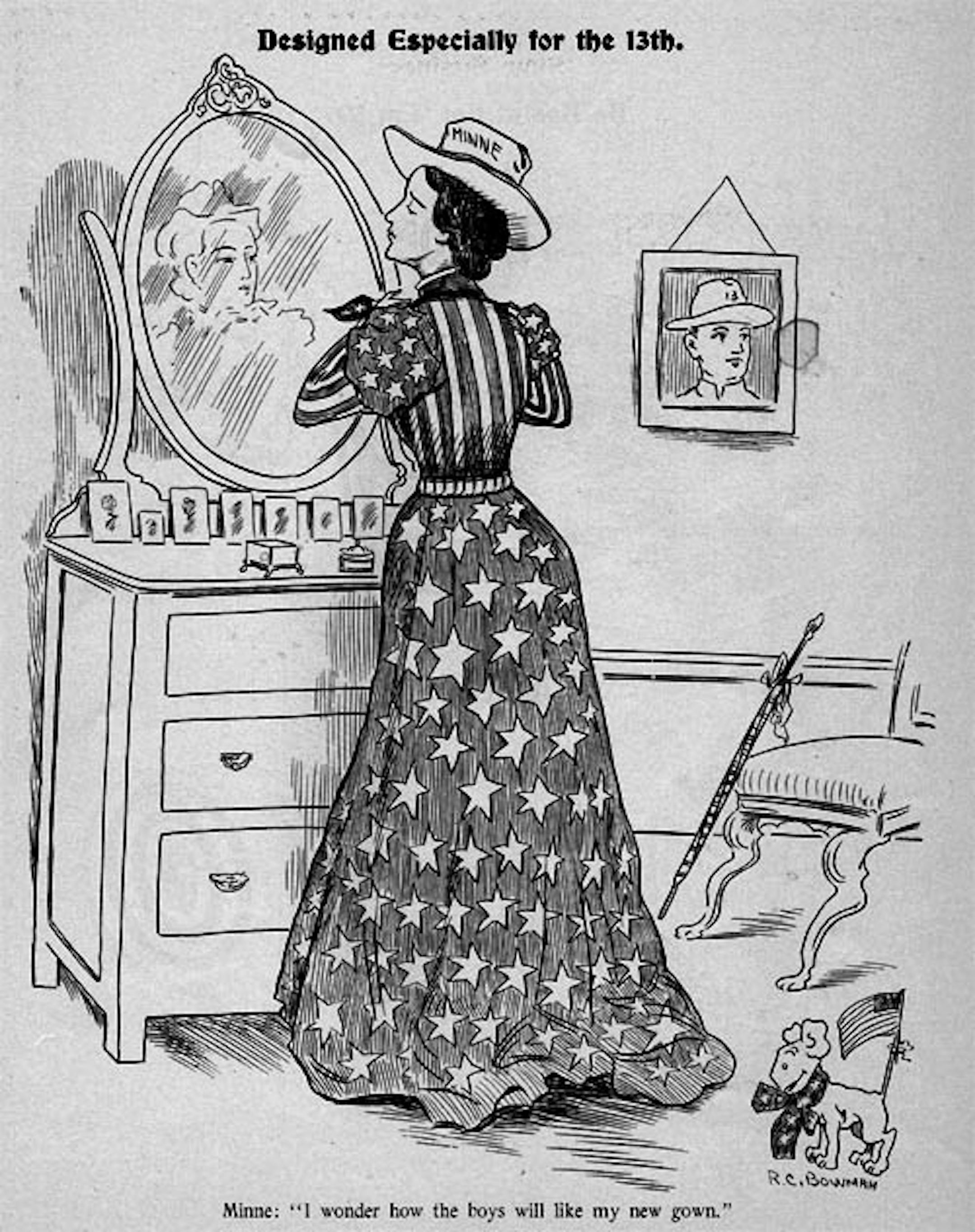
Here's another editorial cartoon from the 1900 Minneapolis Tribune collection. Good luck figuring out the context here.
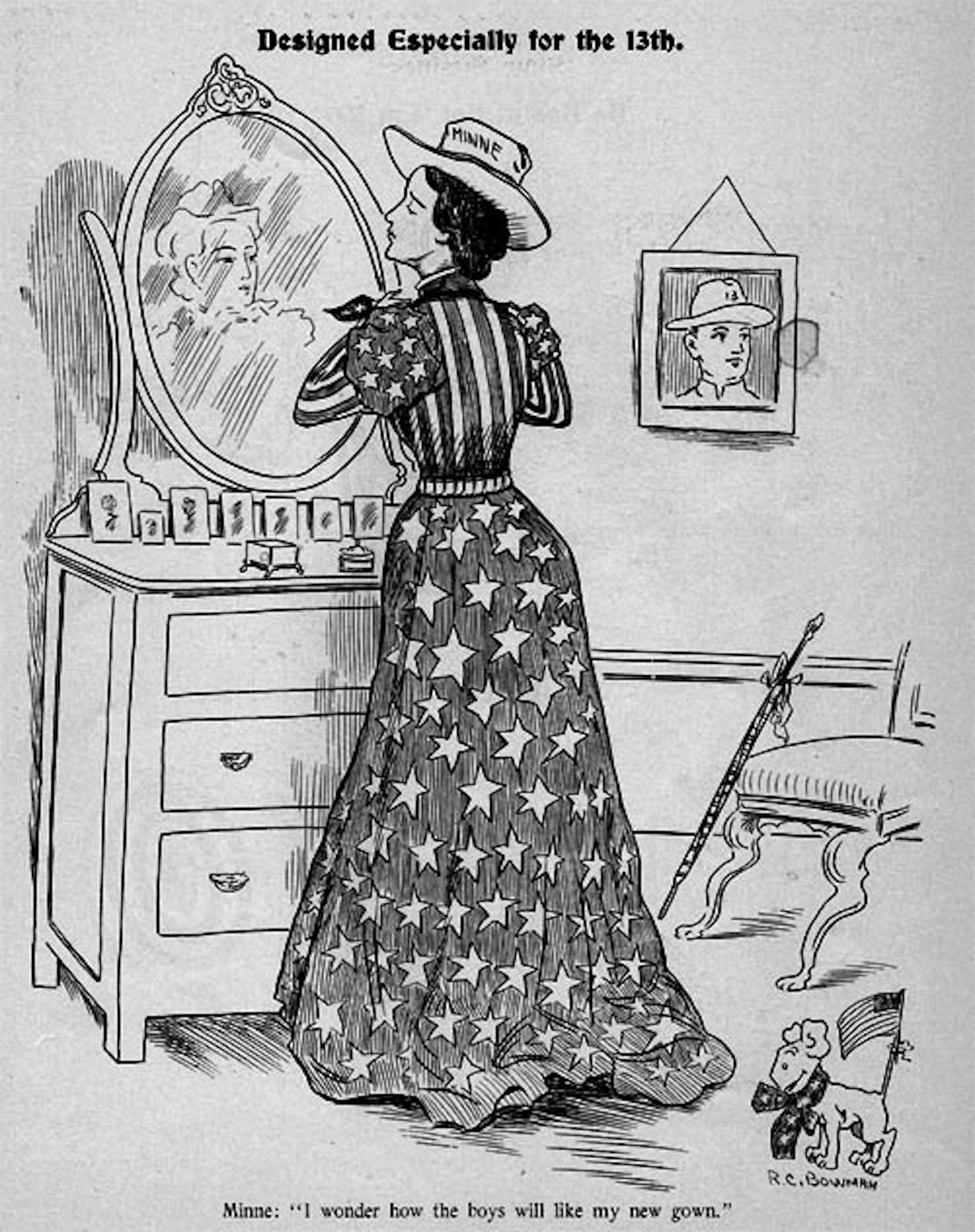
Does anyone have much nostalgia for 1900? It seems we only start to connect with the 20th century around 1912, when a certain ship had an unfortunate experience at sea. There are insufficient pop-culture relics - or, we just don't connect with the things they had. Can't get a feel for the music or the theater. It's like a dead spot in history - we can imagine the 19th century, because we have buckets with different components. Civil War / the Frontier / Gilded Age. But the early years of the 20th century seem like everyone was sitting around waiting for movies, jazz, and radio to be invented.
When we say "we" I mean "me," of course - if you're a student of the era it must seem quite alive, and a fascinating prelude to the 20s, when modernity really begins. But for most people, I'll bet, there's no hook on which they can hang their preconceptions. It's just . . . back there.
There are hints in the picture. Figure it out. Google a little.
I was thinking about nostalgia this morning, wishing I used to feel about it the way I used to do. (Kidding.) I love nostalgia, because it's the lazy man's form of history. The fascination with "vintage" and "retro" on the web is nothing new - the first faint stirrings of nostalgia in popular culture happened in the 40s, when suddenly the Gay 90s became a golden age, sorely missed for its humble virtues and easy living. In the seventies nostalgia became a small industry; things were grim in the present, so we simultaneously looked to the 50s ("Happy Days") the 20s (gangster movies, Liberty magazine reprints) and the 30s (movies like "Paper Moon.") Anything to escape the present.
Now everyone's bombarded by nostalgia, thanks to the internet. The past is the present. Everything's there, waiting to be gathered in a list or remixed. BuzzFeed has a new site devoted to the past, and this makes an Atlantic Wire writer wonder if there's a downside. Of course there is! There's no long thumbsucker essay if there isn't. I agree with most of this, but I'm not too concerned that the internet is Eating the Past, as the article suggests. Anyway,. Atlantic says of the BuzzFeed site:
Alongside an early Sophia Vergara poolside workout, to which one can only say:
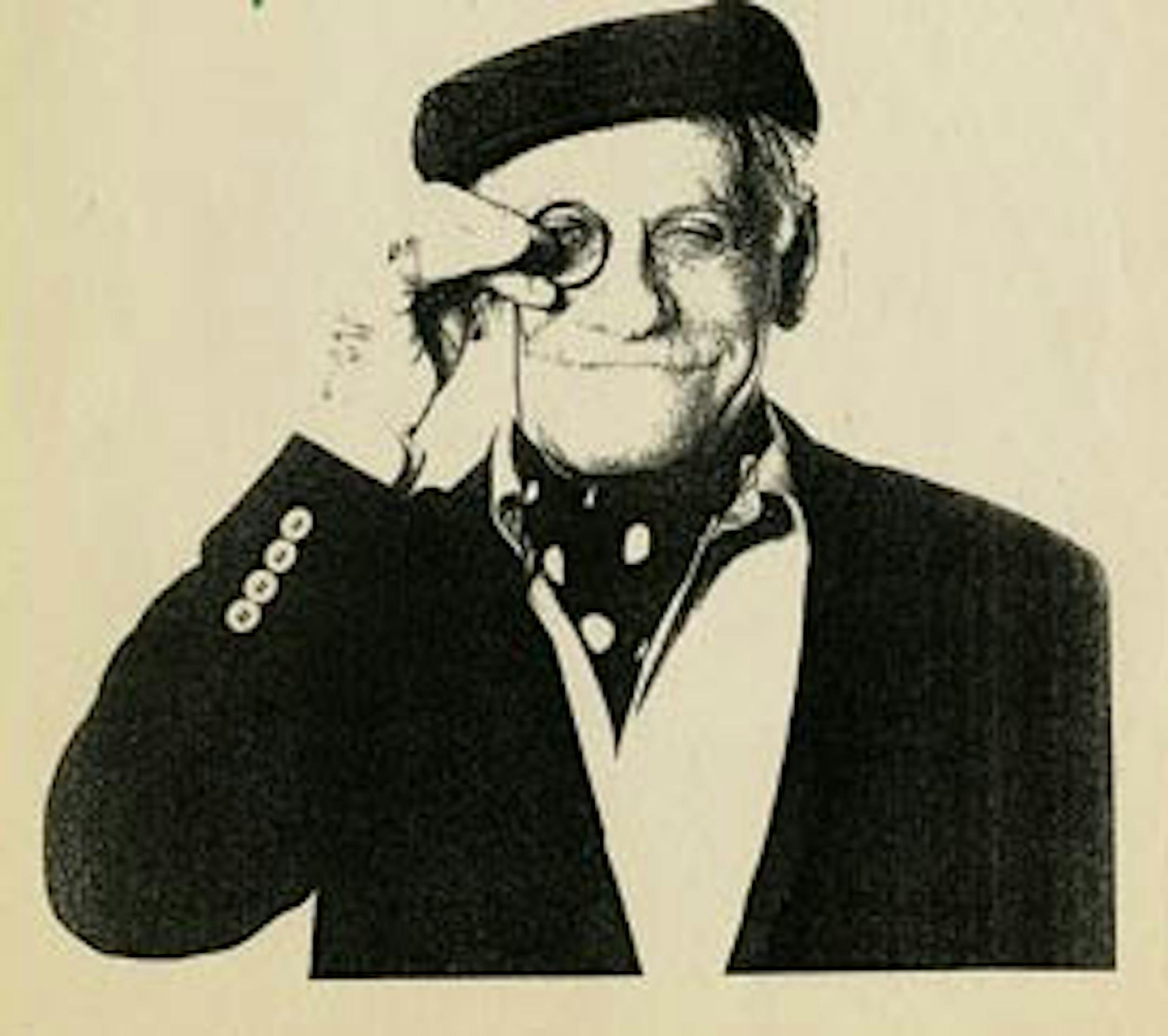
If that's an obscure reference, it's because . . . it's an obscure reference. I'll explain later. The writer continues:


