CLIFTON, Texas – When a fertilizer plant exploded in a small Texas town, killing 15 people and decimating homes and schools, it became Chris Connealy's responsibility to keep anything like it from happening again.
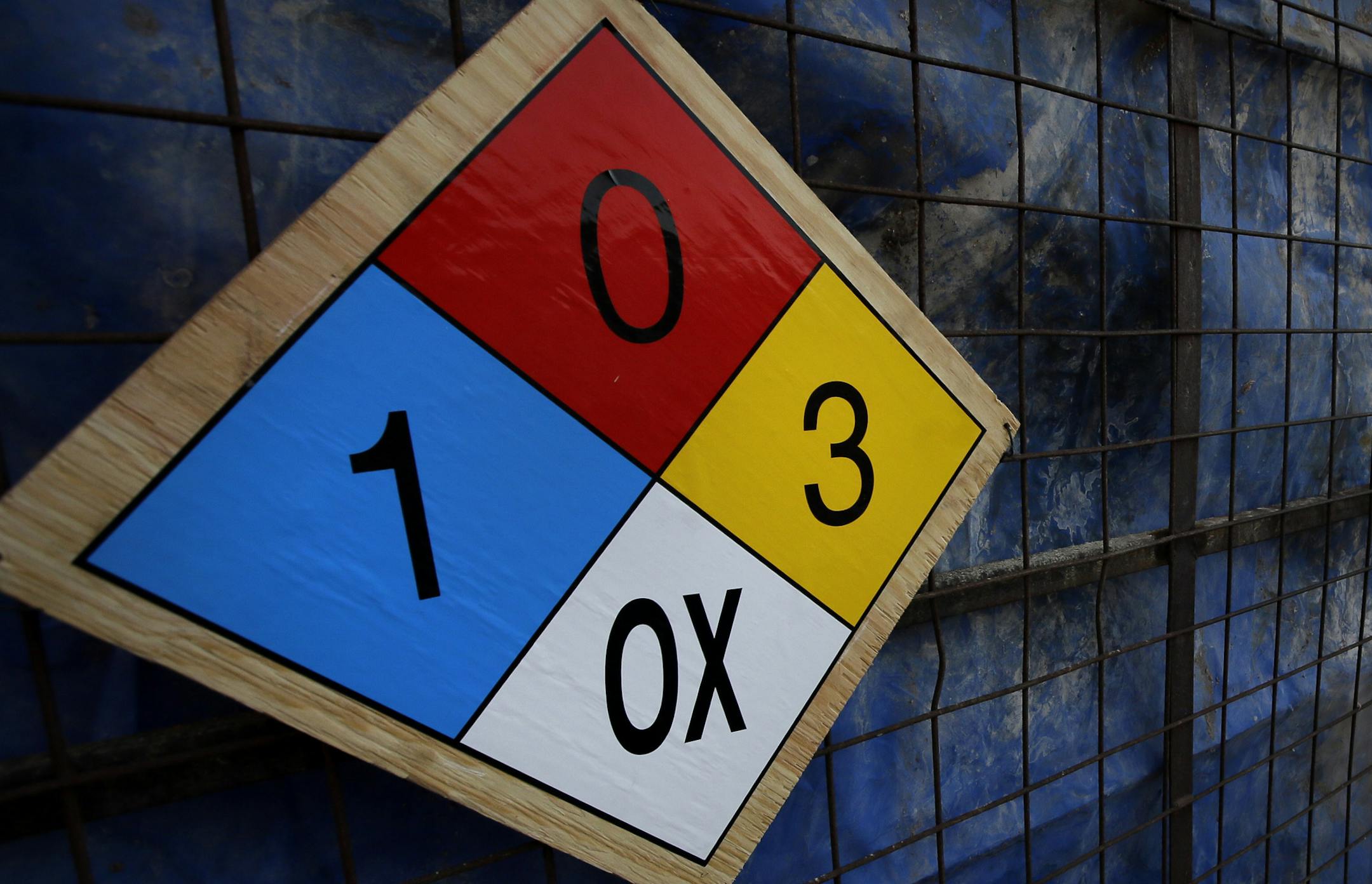
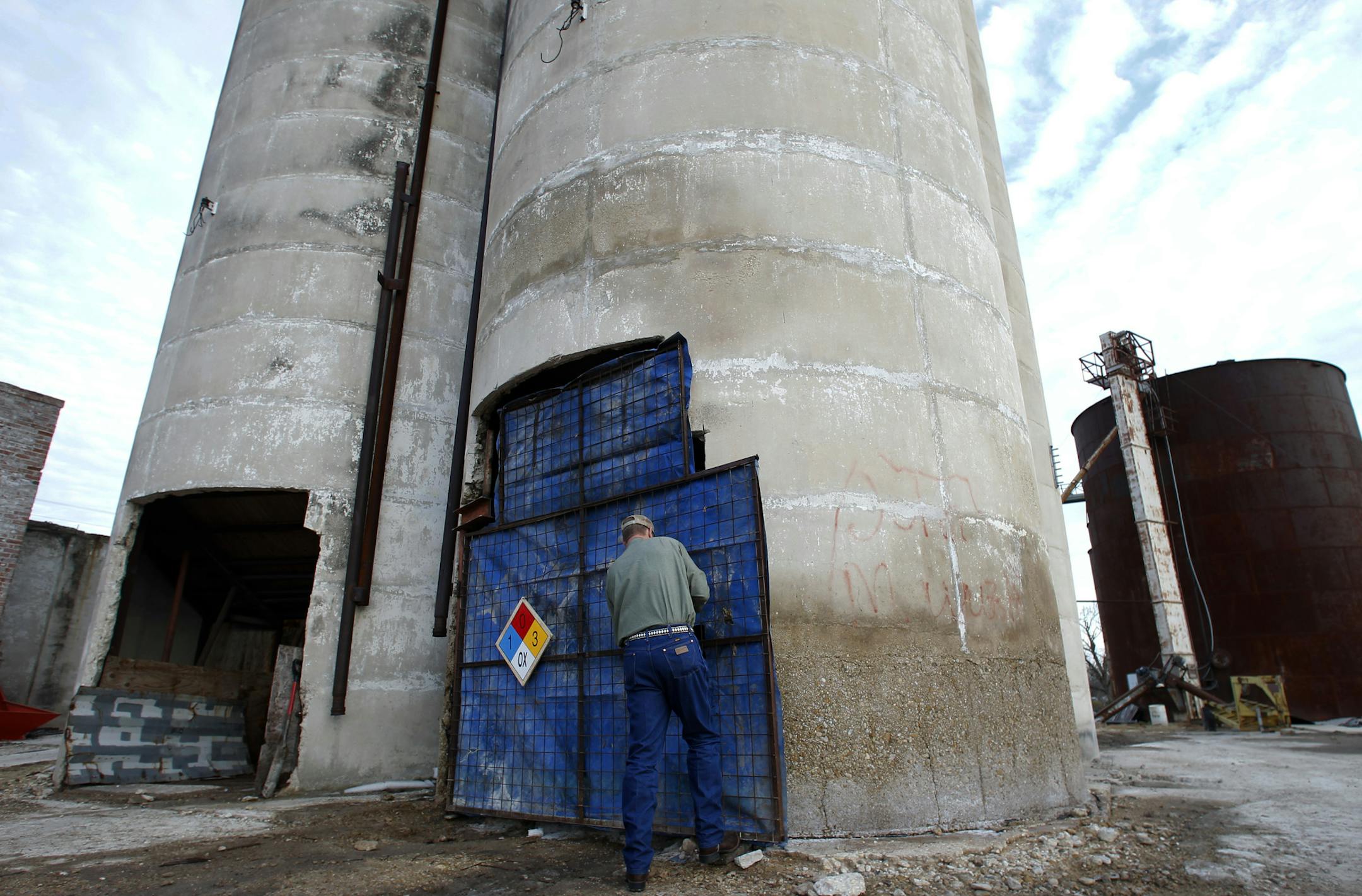
The state fire marshal has spent the last eight months studying the explosion in West of stores of ammonium nitrate, a common but potentially dangerous chemical used in fertilizer. Now, Connealy and his office are embarking on a 68-stop tour of Texas to meet with first responders and businesses about how to store the chemical and deal with a fire like the one on April 17 at West Fertilizer Co.
Distrust of government runs deep in Texas, and the explosion did not spur serious calls from lawmakers for new regulations or a statewide fire code. Any change to how hazardous chemicals are stored in the state will likely have to come voluntarily.
The tour began this month in Clifton, a town of 3,400 that's about 35 miles from West. More than 100 people packed the auditorium. Some of them had gone to West on the night of the blast to help evacuate and treat victims.
"Tonight I want to focus on reaffirming best practices," Connealy told the crowd. "I always say it's hard to get in trouble following best practices."
"The sole mission is to prevent another West," he added, acknowledging that he once questioned the need for training and orders from his bosses.
Both Connealy and Assistant State Fire Marshal Kelly Kistner would not specifically discuss the response in West, but stressed the importance of frequent training and of officials asking for help if disaster ever struck. Connealy also called on fire chiefs to be ready to say a fire was too dangerous to fight — even if that went against firehouse culture.
State and federal investigators have never identified a single cause or ruled out a criminal act in the West blast. But several deficiencies have come to light. Dozens of tons of ammonium nitrate were stored in flammable wooden containers. There was no sprinkler system and no fence to keep out intruders.