

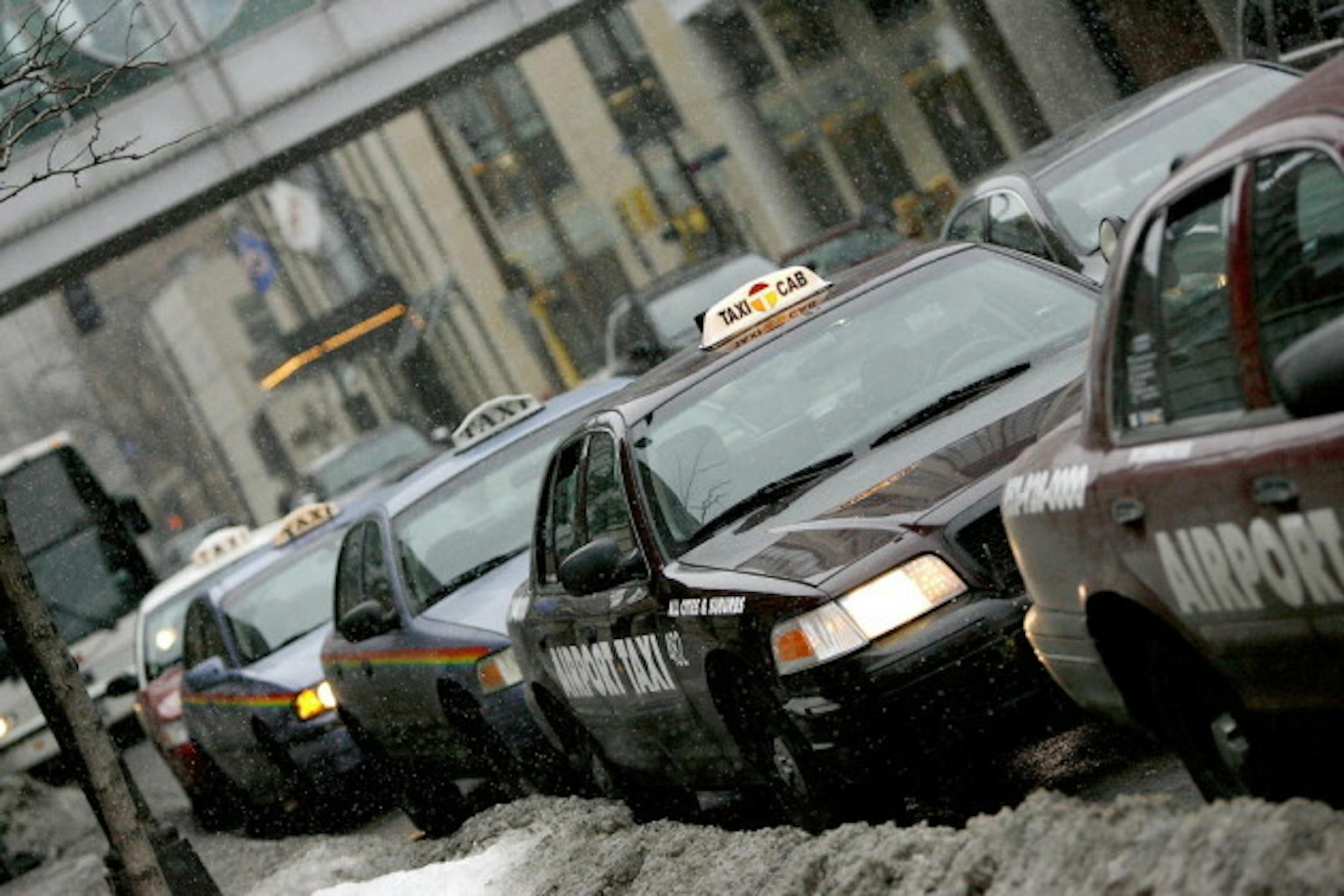
The patient was late. So John Shannon waited, and waited, outside Hennepin County Medical Center for his next client, a woman who had a voucher to pay for her ride to the far northern corner of Brooklyn Park. The voucher was paid for by a health provider or social service agency that negotiated a flat fee with the cab company because the client had no other way to get to the hospital.
Fares like this are Shannon's meal ticket, representing a remarkable 90 percent of his rides. As we waited, several cars pulled up; they are the competition, new cab drivers "who slap a sign on the side" and vie for patients who rely on some sort of assistance to get to appointments.
This particular type of customer became an issue recently when more than 125 drivers from Airport Taxi, Town Taxi and Yellow Cab protested a new rate reduction negotiated between the company that owns all three and their large list of clients. Those clients include health, nonprofit and educational organizations that were looking to cut costs. Between 70 and 100 of the drivers have quit or been cut.
The drivers, most of them African immigrants, said the change would substantially lower their income and cause them to work 16-hour days to pay expenses. The angry drivers said they could lose up to 50 percent for some fares, which the company disputes.
Though he's not thrilled with the change, Shannon sides with the company and says the other cabbies are exaggerating the impact. The company let him take me along for a shift. For this ride, a 30-year veteran of the cabbie life received $27. He said it was "pretty close" to what he would have gotten if the trip had been metered. As usual with these contracts, he did not get a tip.
A few minutes later, Shannon got a call for a short ride near where he dropped the first client ($7.50) and then another flat-fare trip to Eden Prairie ($53). In three hours, Shannon had made $87.50. Not bad.
When I told Yemane Mebrahtu, president of the organization leading the revolt, the fares Shannon made, he laughed.
"This is a back stage drama" manipulated by the dispatcher and Shannon for a reporter, Mebrahtu said. "This was very lucky." Mebrahtu said the first trip would run about $45 and that Shannon lost about $20.


