

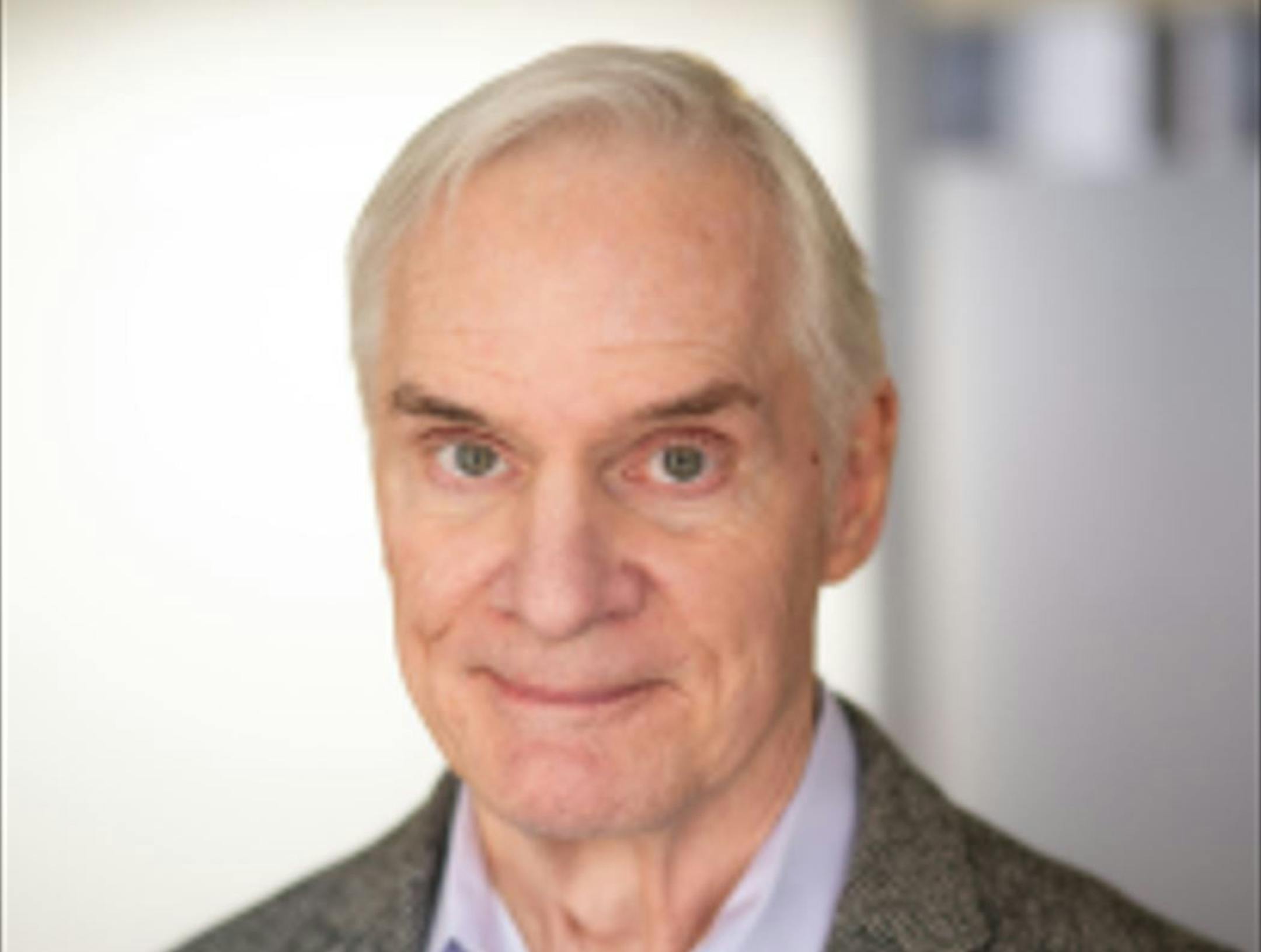
When Terry Schneider started working with Minnesotans with serious mental illness more than 40 years ago, people were typically boarded in big facilities that often housed dozens of other people.
He saw an unmet need. And in what would become the recurring theme of his career, he jumped at the challenge to fill it.
"Terry wasn't afraid to work with folks that had a lot of barriers, people who had really significant struggles," said Brooke Schultz, who worked with him for 20 years. While other agencies might be concerned about serving such clients, she said Schneider's approach was always, "People with mental illness can change, recovery is possible. Let's take a look at what a person can do, and then surround them with the supports that they need to be successful."
He started opening small residential treatment facilities in the 1980s, offering services that allowed people to live as independently as possible. In the decades that followed, those who worked with him said he was at the forefront of trying to fill critical holes in Minnesota's mental health system.
Schneider, of Edina, died Dec. 27 of complications from heart surgery. He was 68.
He was a mentor and influence for hundreds of people working in mental health in Minnesota, said Ellie Skelton, who runs Touchstone Mental Health and worked for Schneider early in her career. Skelton said she was inspired by Schneider's efforts to push the state and county to bring needed services, noting that he had a high risk tolerance and always sought "out-of-the-box ideas" to help people few others would.
Schneider opened several residential treatment programs, including ReEntry House in Minneapolis and Carlson Drake House in Bloomington. He and his business partner, Tom Paul, created an organization in 1986 now known as RADIAS Health. The nonprofit has about 450 employees and serves more than 9,000 people each year.
RADIAS runs a homeless outreach program, does case management and offers early intervention for people after their first episode of psychosis. It has clinics that provide individual and group therapy and numerous four-person residential support homes with 24/7 staff. The organization operates one of the state's only Forensic Assertive Community Treatment teams, where a group of professionals serve people with serious and persistent mental illness who have been incarcerated.


