

As the postgame analysis on the Boston bombings grinds on, a conventional wisdom is starting to take shape based on the heated claims of pundits, officials and security experts, as well as the post-9/11 liturgy on terrorist theory.
It goes something like this: Terrorists are highly intelligent foes who wield violence strategically, bringing immediate and significant attention to their political ends relative to their limited means.
Indeed, ever since the publication of the 9/11 Commission report, it seems that most analysts reflexively default to the official position that contemporary terrorists are "sophisticated, patient, disciplined, and lethal."
Most academics of terrorist theory have since poured concrete on this foundational thesis. Political scientist David Lake of the University of California, San Diego, for example, thinks that terrorists are "rational and strategic," while political scientists Andrew Kydd and Barbara Walter likewise argue they are "surprisingly successful in their aims."
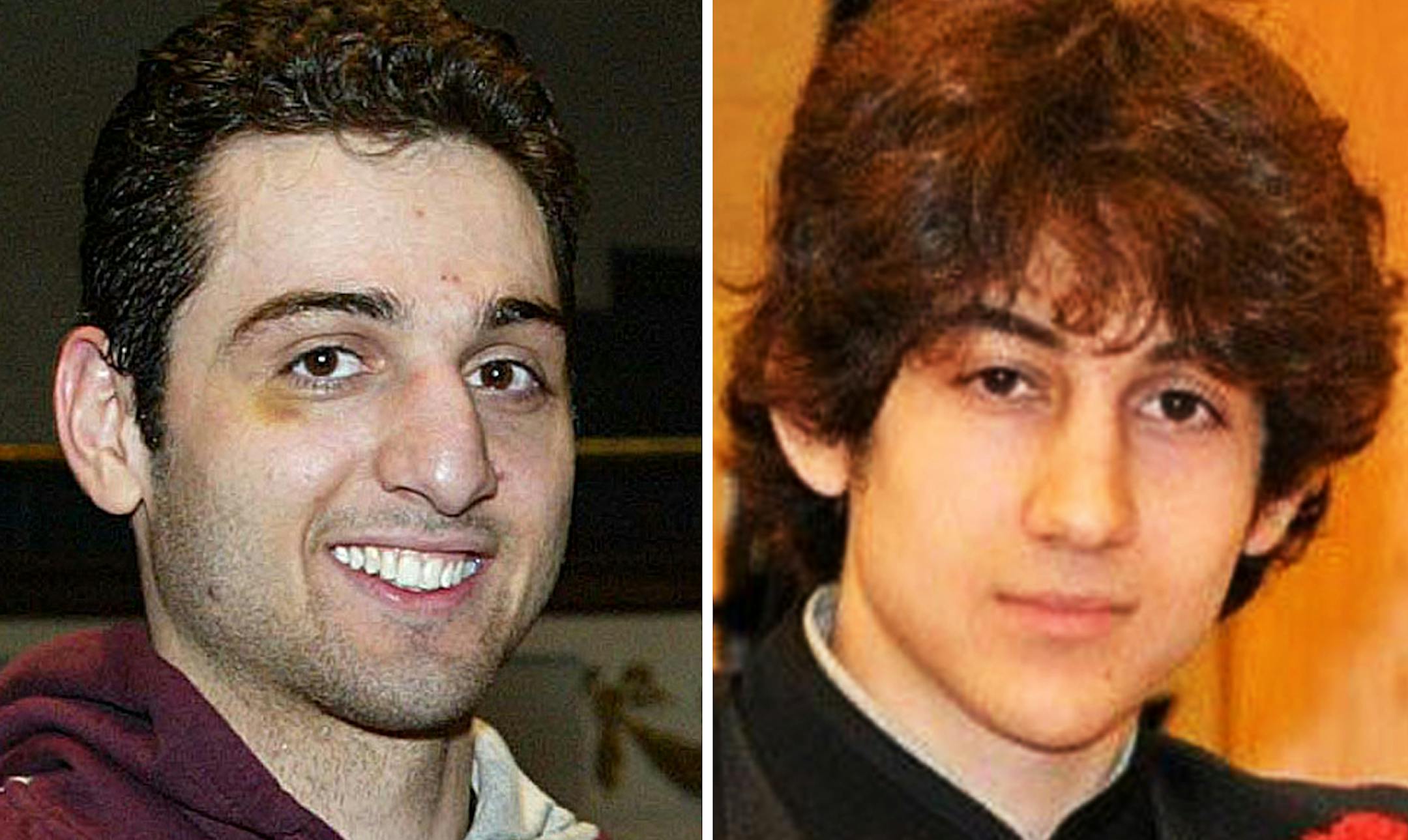
But let's get one thing straight: The Tsarnaev brothers, wherever they may have learned to make bombs or hate Americans, were no geniuses.
In recent years, terrorists targeting the American homeland have been neither sophisticated nor masterminds, but incompetent fools.
In December 2009, Umar Farouk Abdulmutallab failed to bring down Northwest Airlines Flight 253 en route to Detroit when the explosives in his underwear refused to ignite. He succeeded only in burning his pants and promptly getting arrested.
Shortly after, Faisal Shahzad, despite extensive training in the camps of Waziristan, managed only to ruin the interior of his SUV in Times Square.


