

Opinion editor's note: Editorials represent the opinions of the Star Tribune Editorial Board, which operates independently from the newsroom.
•••
A year ago, a frustrated crowd of University of Minnesota students, parents and neighbors implored city and U officials to do something about increased crime that had spiked. At that time crime had spiked near the university since the 2020 start of the pandemic. During those three years assaults, violent thefts and gun violence increased.
Issues surfaced again earlier this summer in Dinkytown when teens and young adults pointed fireworks at buildings and people, harassing passersby and even assaulting pedestrians.
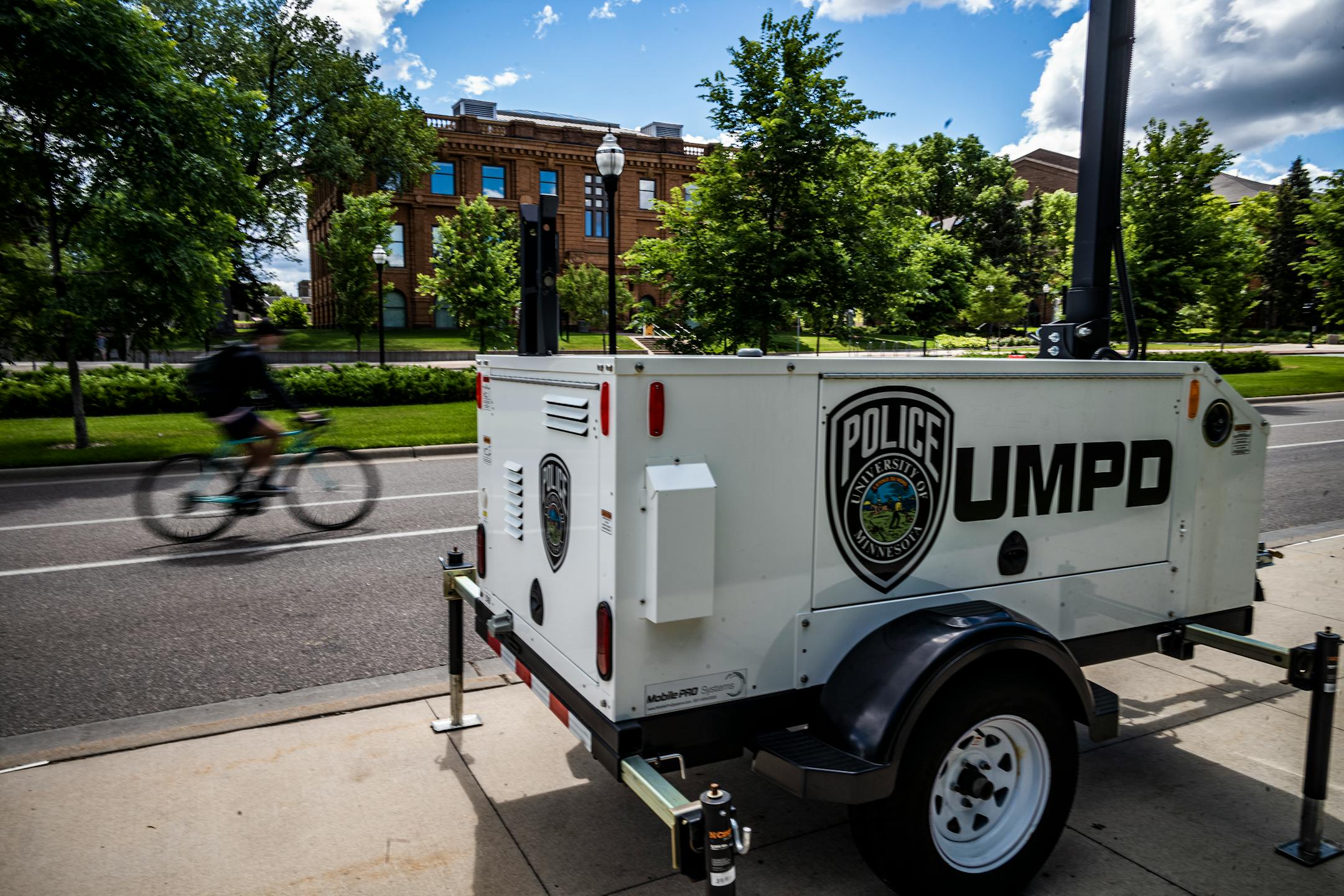
But here's the good news: When U students begin returning to campus this month, they'll learn about a much-needed new strategy to keep them safe on campus and in nearby neighborhoods. Officials with the U and Minneapolis, along with community leaders, have crafted a comprehensive plan that wisely includes measures like increased police presence, more secure access to buildings and greater coordination between university police, the Minneapolis Police Department and other law enforcement agencies.
The moves are a welcome response to public safety challenges that threatened to make the U less attractive to prospective students and their families.
"We are working hard to ensure that they know when they step foot on campus that they should feel a sense of safety, in every sense of the word, and know where to go for information," Myron Frans, the university's senior vice president for finance and operations, told the U's Board of Regents at a July meeting.
And in an email, a U spokesperson told an editorial writer that there are more new initiatives ahead, including a turnstile pilot in the entrance of Pioneer residence hall. In addition, about 70 buildings are the Twin Cities campus are considering switching to primarily U Card access.


