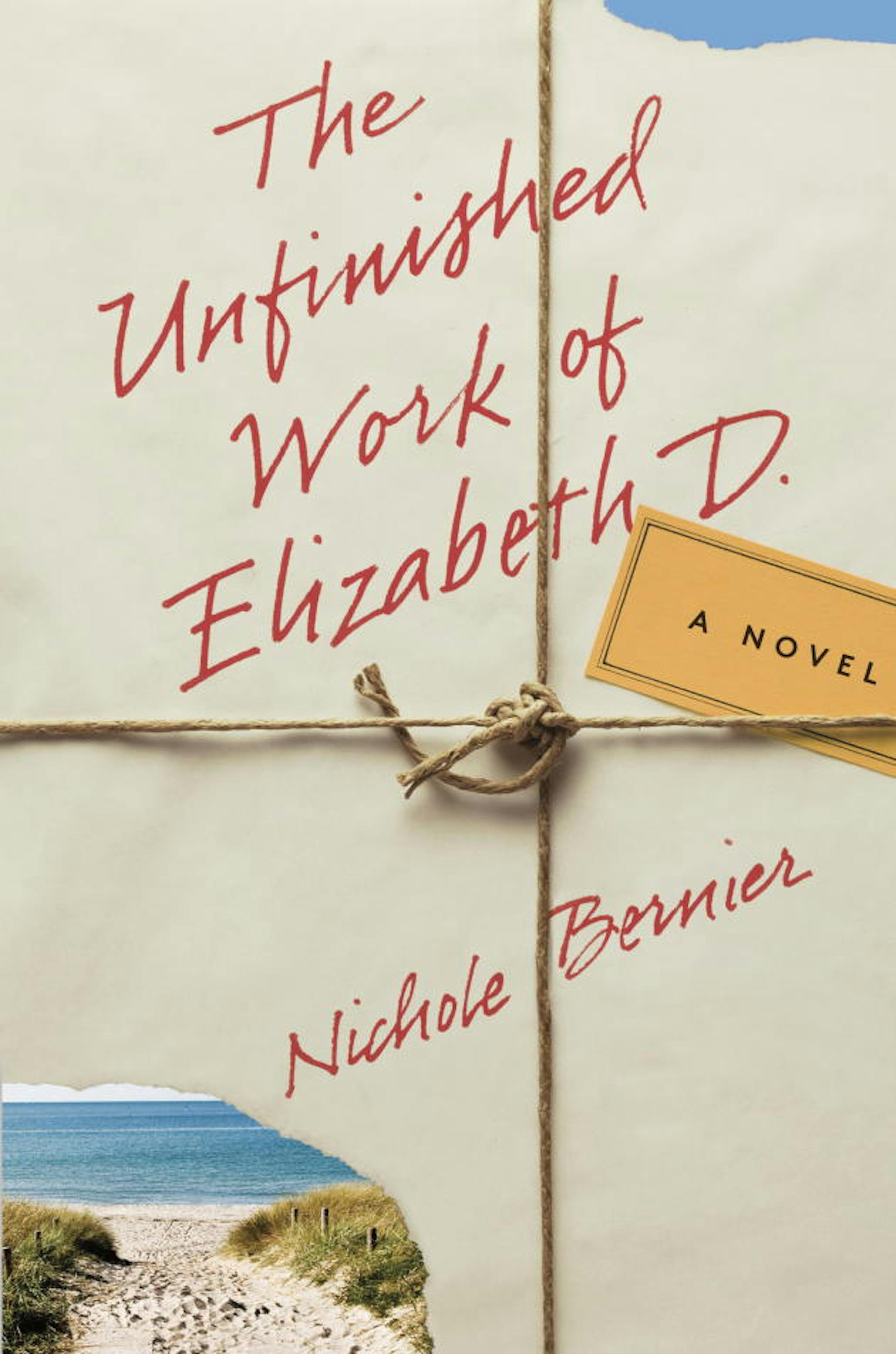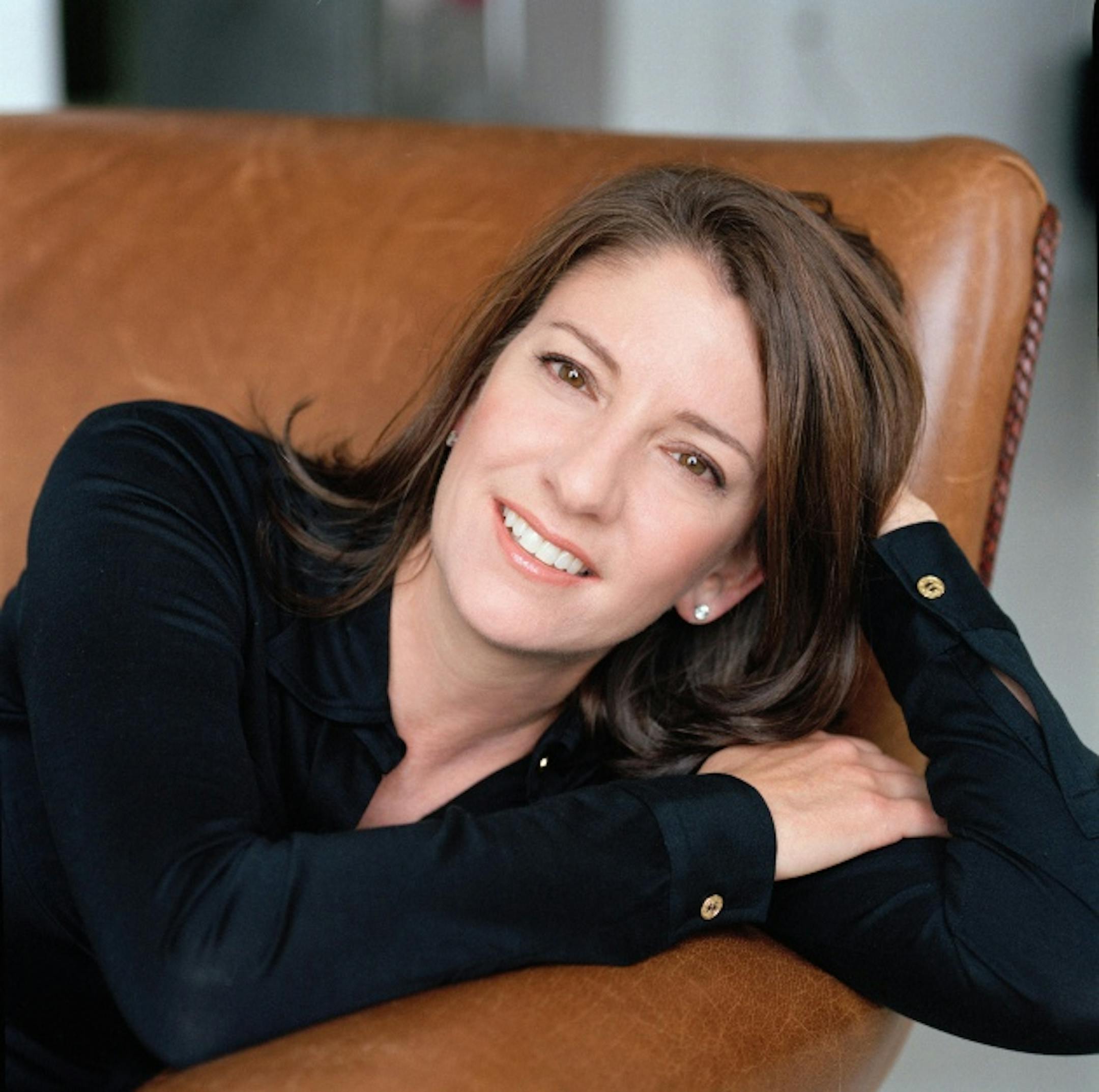
Nichole Bernier's debut novel, "The Unfinished Work of Elizabeth D.," is a novel about secrets and choices and fear. You never meet the character in the title--Elizabeth D. has died in a plane crash before the book opens. But her life, and her story, form the heart of the novel. Elizabeth willed a small trunk full of her journals to her friend Kate, who reads them throughout the summer and grows to understand that Elizabeth was not the person she had thought. The journals are filled with secrets and revelations about Elizabeth's life, marriage and career. And the last journal answers the question of where she was really going when that plane went down.
Bernier will be at Common Good Books at 7 p.m. next Wednesday (July 25). Here, she answers our ten questions, plus a few extras just for her:
Q: Was there something that prompted this story for you---secret diaries you had access to? Or your own diaries
A: I've kept a journal on and off since I was a teen, and I've always been fascinated with why, exactly, people do this crazy thing, putting private thoughts to paper, and what they think will become of them someday.
But the novel was inspired by the loss of a friend in the September 11th attacks, and the experience of fielding the media calls for her husband. It was a humbling experience, choosing the sound bites by which my friend would be remembered, and afterward I was haunted by the notion of legacy — how we will be remembered in this world, and whether it is the way we would have expected, or chosen.
The what-ifs that generated the novel spooled out from there. What if you inherited the journals of a friend, and learned you didn't know your friend nearly as well as you thought, including where she was really going when she died? What type of tension might exist with the widower, who resents not being given his wife's journals? How might you feel about why your friend didn't confide in you — and how might that make you realize ways you weren't candid with loved ones, yourself?
It was tremendously satisfying to explore that juxtaposition of the faces we show the world and those we hold close, our private ambitions and fears, and what it costs us in the end.
Q: Describe your writing room.
A: I sort of wish I had a writing room, some serene window-walled space with a behemoth of an antique desk. But even if I did, I probably wouldn't write there. Our house is never really quiet because we have five children, and though I don't need quiet to write, I need the noise to be sounds I'm not emotionally invested in.
So I've become that cliché of the coffeeshop writer. I love the impersonal bustle that's a bit like being part of an office, the juicy bits of conversation you overhear, and yes, the constant flow of coffee and inability to hop up and tweeze your eyebrows. When I need real quiet, I go to the library.
: I don't really have regular rituals or schedules, mostly because a week in our family is a constantly changing thing. And I don't have specific productivity goals because if I didn't meet a daily word count, it'd only make me disappointed in myself. When I first started writing the novel I set a weekly goal of 2,000 words, which was realistic and allowed for daily trip-ups. Sometimes I exceeded it, but usually not.
The closest thing I have to regular strategy is that when I sit down to write, I know what I intend to tackle. That way when I stand up and stretch at the end, whatever else happens along the way, I'm not frustrated that I've frittered away time figuring out what to write.