

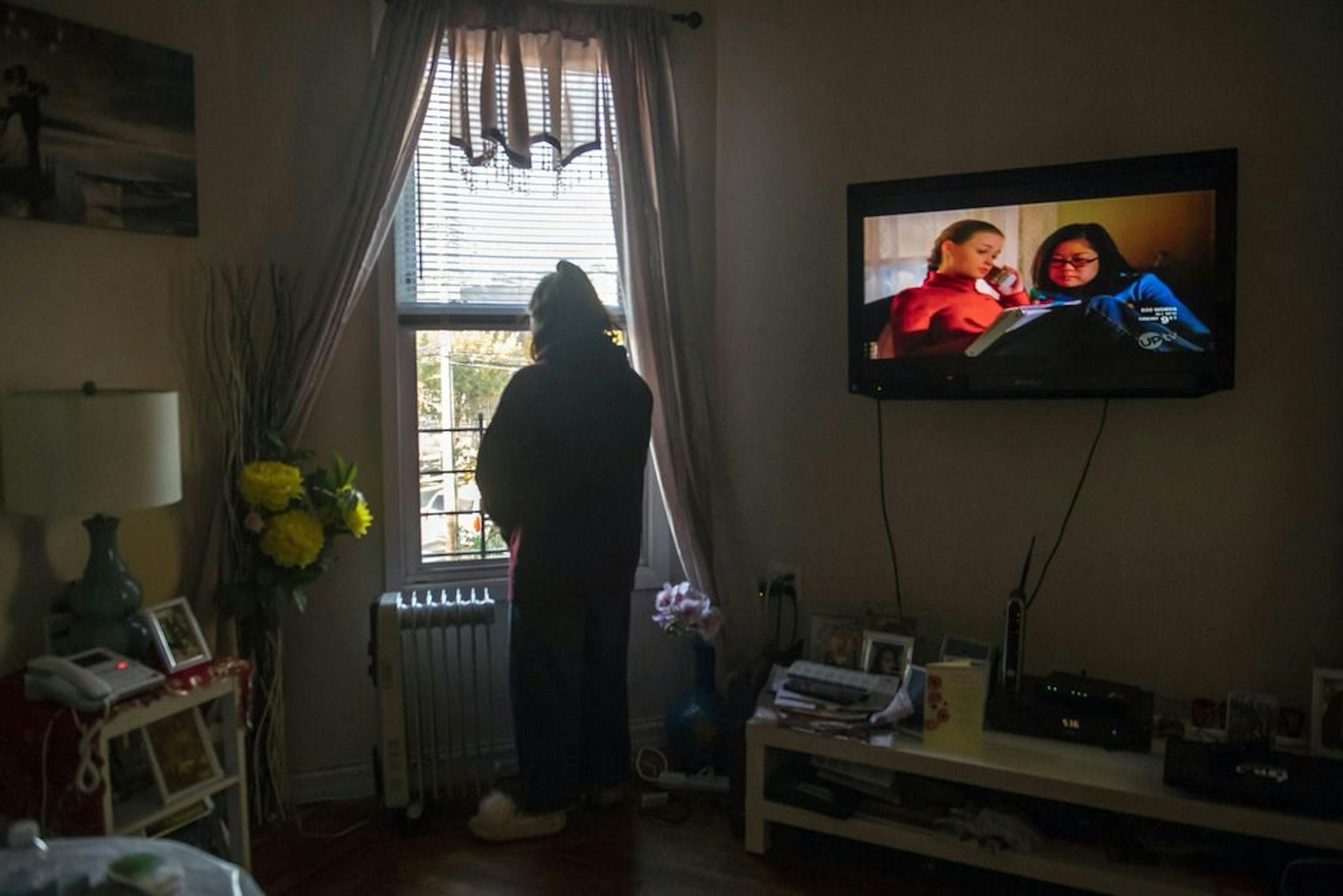
Before the pandemic, Aya Raji's days were jam-packed. She woke up at 6:30 a.m. and hurried off to school. After classes, she practiced kick-flips with her skateboarding club and hosted "Twilight" movie nights for friends.
Once her school turned to remote learning, starting last spring and continuing this fall, the days grew long and lonely. Nothing could distract her from the bleak news as she stared at her laptop for hours during virtual class. She couldn't sleep, up until 4 a.m., her mind racing with anxiety.
"I felt like I was trapped in my own little house, and everyone was far away," the 14-year-old New Yorker, said. "When you're with friends, you're completely distracted, and you don't think about the bad stuff going on. During the beginning of quarantine, I was so alone. All the sad things I used to brush off, I realized I couldn't brush them off anymore."
The social isolation of the pandemic has taken a toll on the mental health of many Americans. But the impact has been especially severe on teenagers, who rely on their friends to navigate the maze and pressures of high school life.
Research shows that adolescents depend on their friendships to maintain a sense of self-worth and to manage anxiety and depression. A recent study of 3,300 high school students found that nearly one-third reported feeling unhappy or depressed in recent months. And while it might seem counterintuitive for a generation used to bonding with friends via texts, TikTok, Snapchat and Instagram, more than one-quarter of those students said they did not feel connected to teachers, classmates or their school community.
"A lot of adults assume teens have it easy," Aya said. "But it's hitting us the hardest."
Since the start of the pandemic, the National Alliance on Mental Illness has heard from many young adults experiencing anxiety and depression, which the organization attributes partly to social isolation. The group has cautioned parents and teachers to look for warning signs, including severe risk-taking behavior, significant weight loss, excessive use of drugs or alcohol and drastic changes in mood.
Short-lived benefit
Granted, for some students, the beginning of quarantine brought a measure of relief. They no longer had cliques to impress or bullies to ward off. But that "honeymoon phase" passed quickly, according to Dr. Cora Breuner, a pediatrician. As stressful as adolescent relationships can be, they are also essential for the formation of personal identity.

