

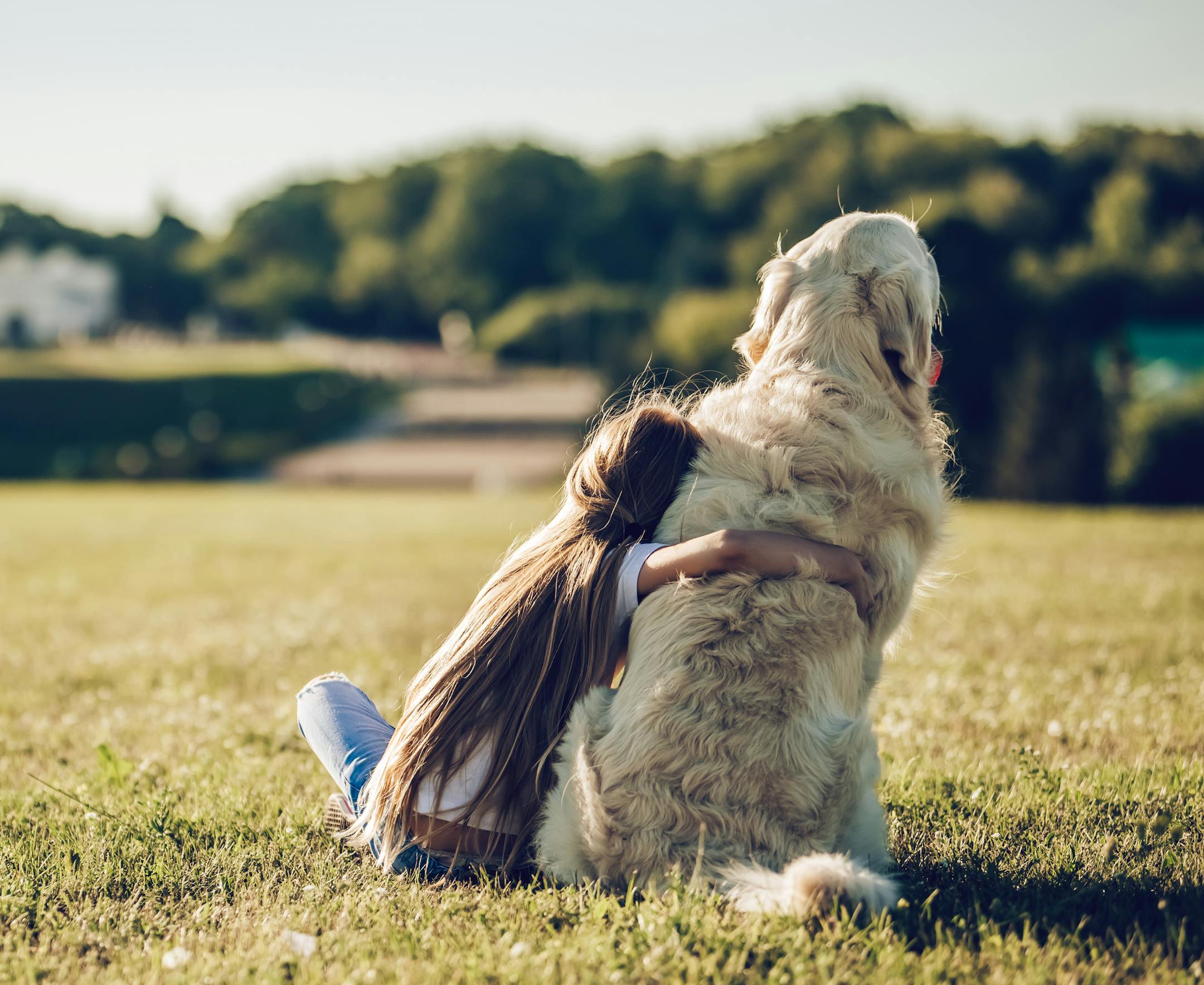
Kids and dogs encounter each other daily. Sometimes they are members of the same family; sometimes they meet at the home of a friend, family member or neighbor; and sometimes they pass on the street or at a park. They don't naturally know how to communicate with each other, though, and mistakes can have unhappy consequences.
Here are some ways to ensure that both enjoy their time together and stay safe.
Avoid too much excitement
Kids tend to run around and yell. Dogs like to run around and bark, too, but the fast movement and high-pitched tones of kids at play can get them too excited. And dogs with herding or watchdog instincts may chase and nip, especially if they think "their" child is at risk.
To make sure things don't get out of hand, behavior consultant Debbie Martin of Veterinary Behavior Consultations in Austin, Texas, suggests the "red light, green light" game.
"If kids are running around the yard and the dog starts to chase them, we call 'red light' for everybody to freeze and be a tree," she says.
That's an opportunity to get the dog out of the situation if necessary and then give kids permission to resume play.
Teach a calm approach
Kids often want to pet dogs. Instead of automatically saying yes, have the youngsters ask the dog if it would like to be petted. Then teach the child to read the body language of the dog to indicate whether it is saying yes or no to a meet-and-greet.
A dog who welcomes petting has a relaxed body, open mouth and a tail that's swishing with a loose wag. One who's not so sure may signal discomfort by showing the whites of the eyes, tightening the lips, putting its ears back, leaning or looking away, putting the tail down or moving it in a slow, stiff wag. That dog would rather not be approached. Suggest the child wave to that dog instead of petting it.


