

WASHINGTON - When Republican leaders in Congress agreed to raise taxes on the wealthy last week, it left the increasingly fractured and feuding party unified on perhaps only one point: that it is at a major crossroads.
From Mitt Romney's loss on Election Day through the recent tax fight that shattered party discipline in the House, Republicans have seen the foundations of their political strategy called into question, stirring an urgent debate about how to reshape and redefine their party.
At issue immediately is whether that can be achieved through a shift in tactics and tone, or will instead require a deeper rethinking of the party's longtime positions on such bedrock issues as guns and immigration. President Obama intends to test the willingness of Republicans to bend on those issues in the first months of his new term, when he plans to push for stricter gun control and an immigration overhaul.
'The country is changing'
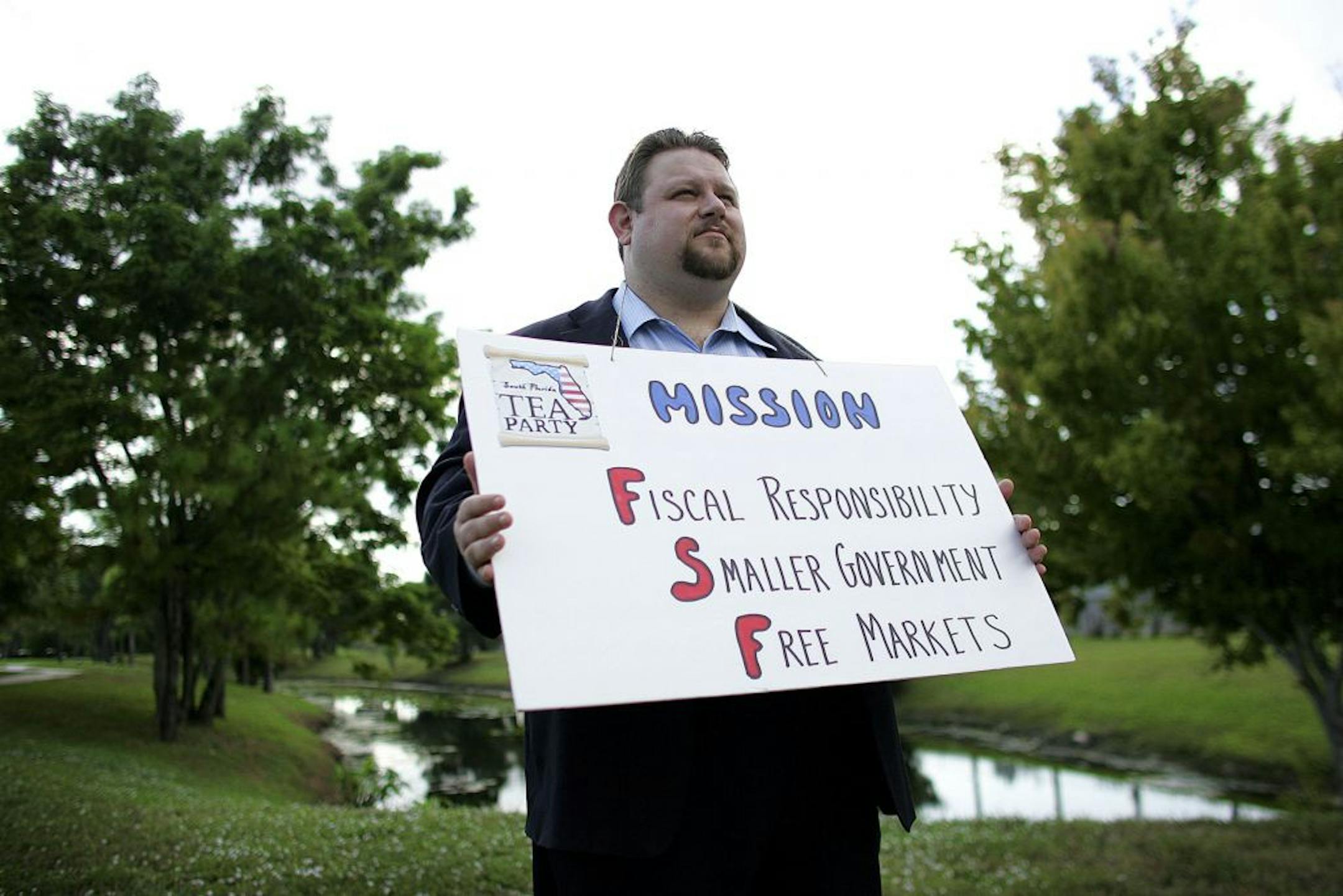
The legislative battles are certain to expose even more division in the party. And with establishment Republicans and Tea Party activists at times speaking as if they are from different parties, concern is spreading in the ranks that things could get worse before they get better.
"The Republican Party can't stay exactly where it is and stick its head in the sand and ignore the fact that the country is changing," said Ralph Reed, the founder of the Faith and Freedom Coalition. "On the other hand, if the party were to retreat on core, pro-family stands and its positions on fiscal responsibility and taxes, it could very quickly find itself without a strong demographic support base."
Having lost the popular vote in five of the past six presidential elections, Republicans now face a country that is increasingly younger, multi-ethnic and skeptical of GOP positions on some social issues. The party's deficit-cutting agenda relies heavily on reducing taxes for the wealthy, which irks middle-class voters, and cutting spending on popular government programs, like Social Security and Medicare.
Generational change is also robbing the party of some of its most effective political positions. Same-sex marriage, which less than a decade ago was an issue that reliably drove conservative voters to the polls, appears to be losing its potency with an electorate increasingly comfortable with gay unions.


