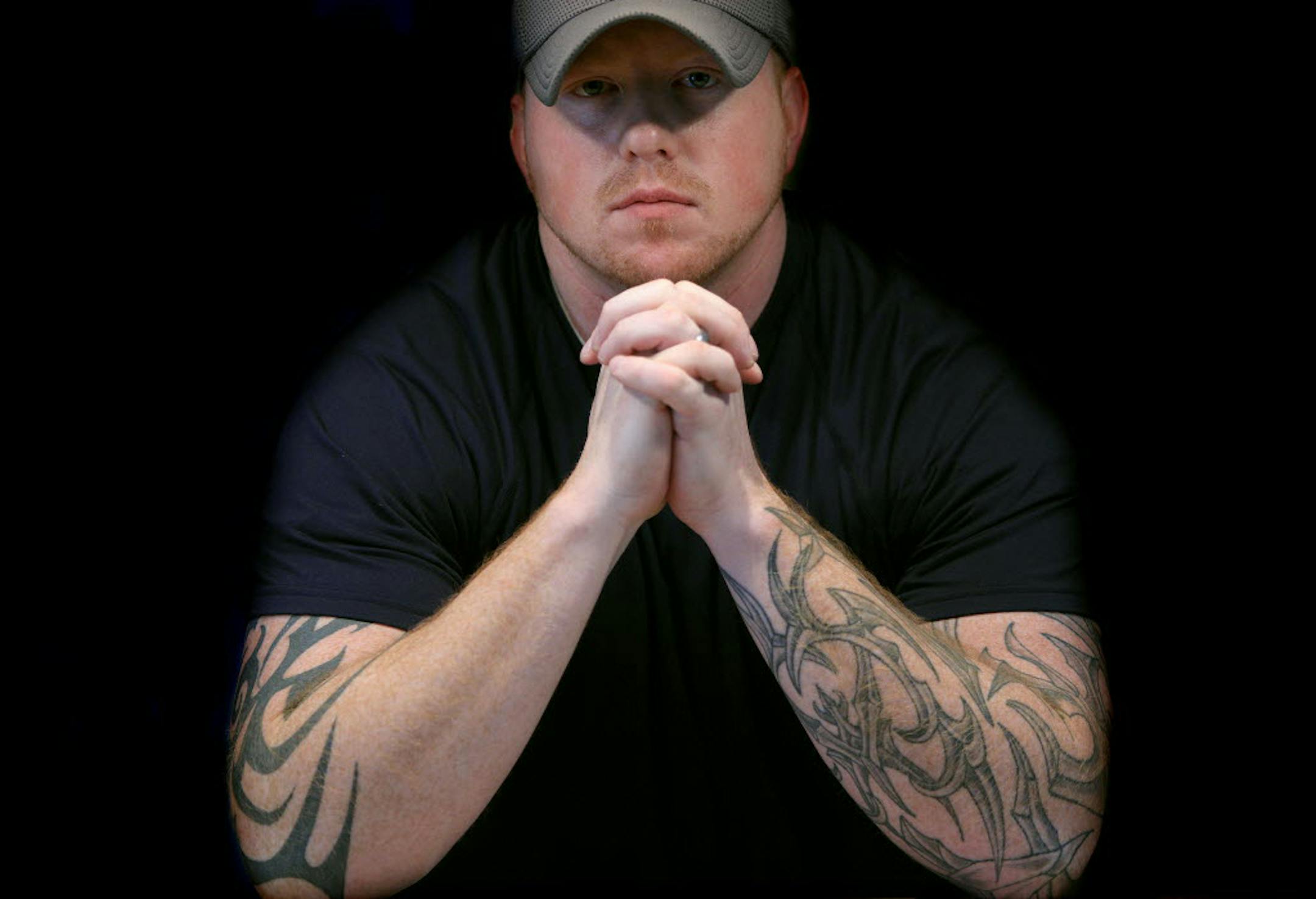
Ryan Stevens has two law enforcement degrees and is studying for a third as he works full time as a state-employed guard at the Minnesota Correctional Facility in Faribault.
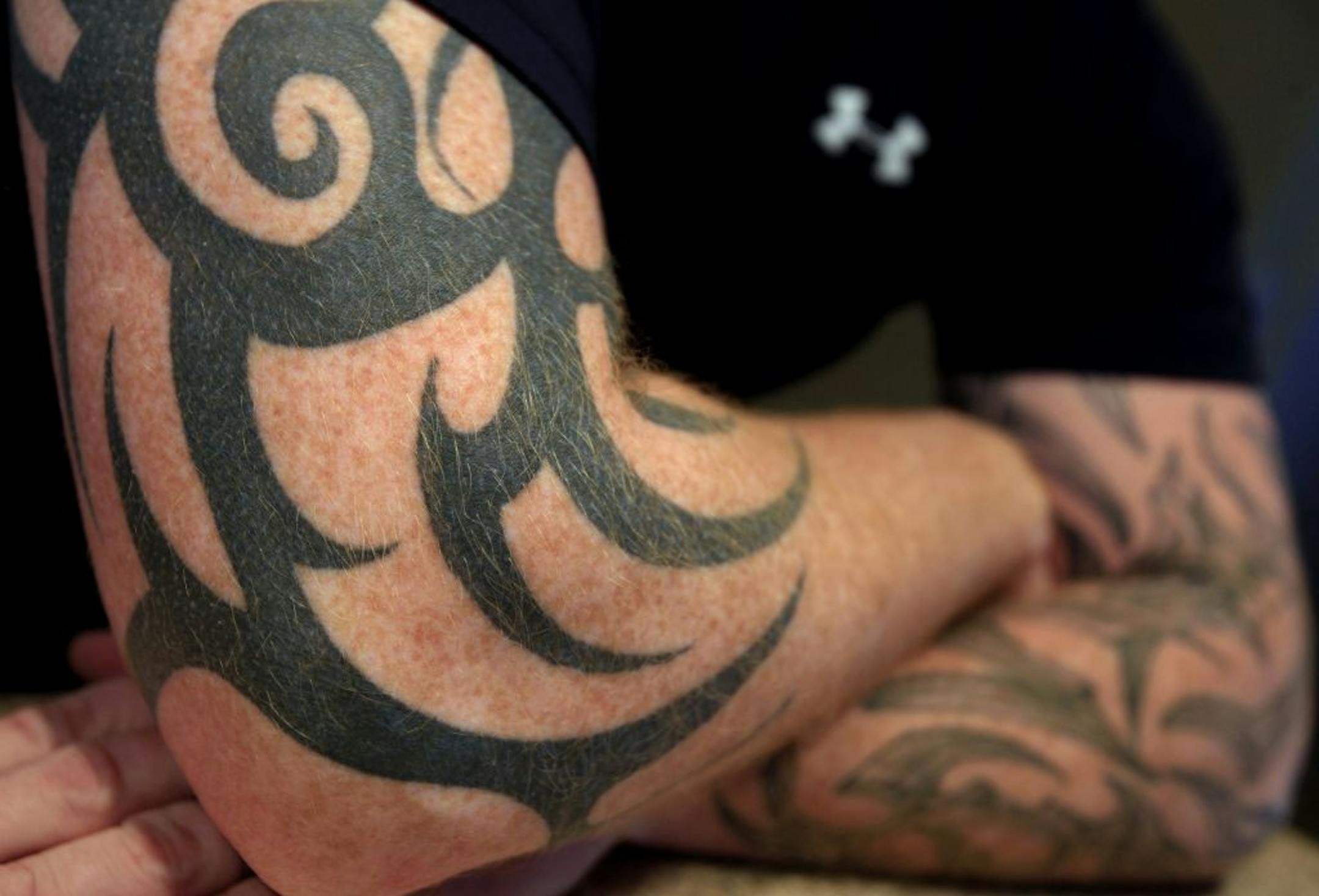
The 31-year-old Richfield resident dreams of becoming a police officer, but recently was rejected for a job with the Hennepin County Sheriff's Office because the tattoos on his arms violated department policy.
"It's really put up a lot of roadblocks and shut down opportunities for me," said Stevens, among six of about 50 candidates disqualified for tattoos in a recent round of hiring. It's a culture clash that's increasingly common in law enforcement and other workplaces as tattoos become more popular with young people entering the workforce. Many law-enforcement agencies allow them but require they be covered, arguing that their officers need to maintain a professional image and that some tattoos can provoke the inmates.
Sheriff Rich Stanek changed his department's policy about two years ago to limit tattoo visibility on new hires. Deputies already on the job are exempt from the policy.
While one law enforcement educator said the policy goes against increased acceptance of tattoos, no one disputes Stanek's right to set the rules.
"They establish the policy and they have business reasons to support it," said Kari Boe-Schmidtz, division supervisor for Human Resources in the county.
Sheriff's Office spokeswoman Lisa Kiava said the priority is the safety of the people in the jail. About 70 percent of the male inmates have used illegal narcotics in the hours before they are arrested and some are drunk while they are being booked. She said another 30 percent are mentally ill.
"We are working with a challenging population," she said.