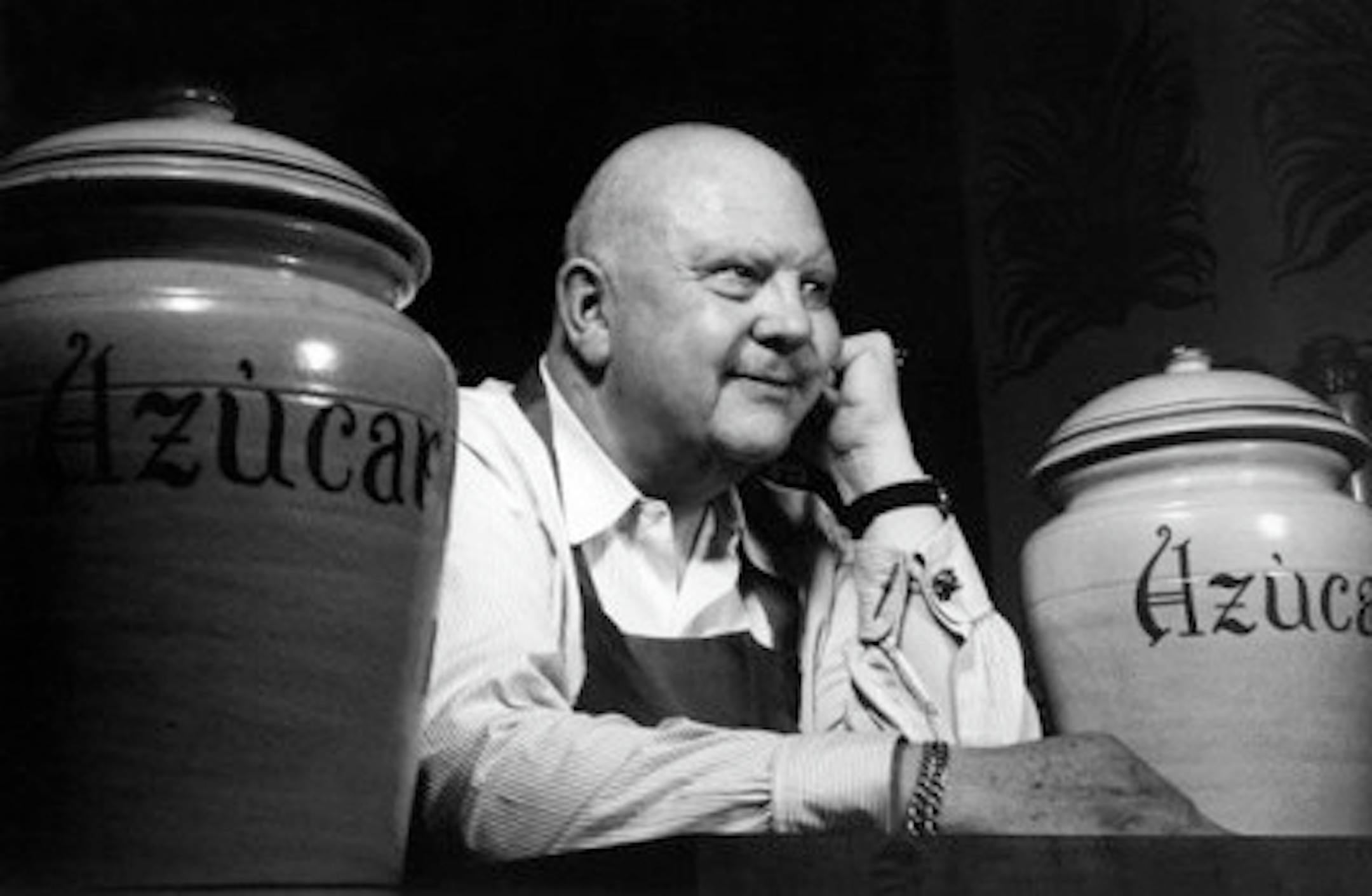
James Beard. Photo courtesy of the James Beard Foundation.
This week's Taste of the Past looks at a 1979 visit James Beard made to Minnesota. The "dean of American cookery" dropped in to help open his friend Chuck Williams' first Minnesota branch of Williams-Sonoma cookware store, located on the second floor of Harold, the upscale women's specialty store on Nicollet Mall in downtown Minneapolis.
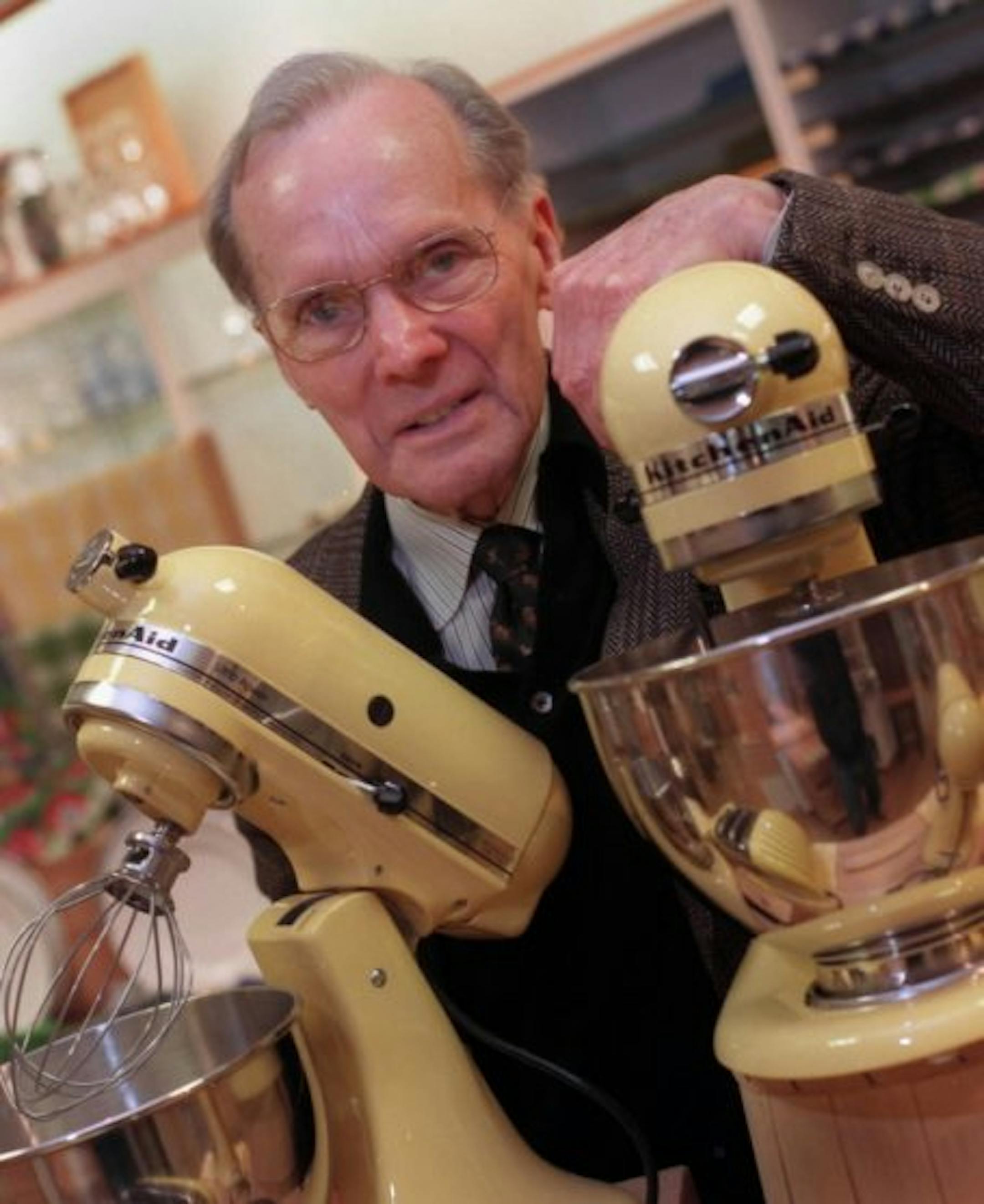
Chuck Williams, at the Mall of America branch of the cookware store that bears his name. Star Tribune file photo.
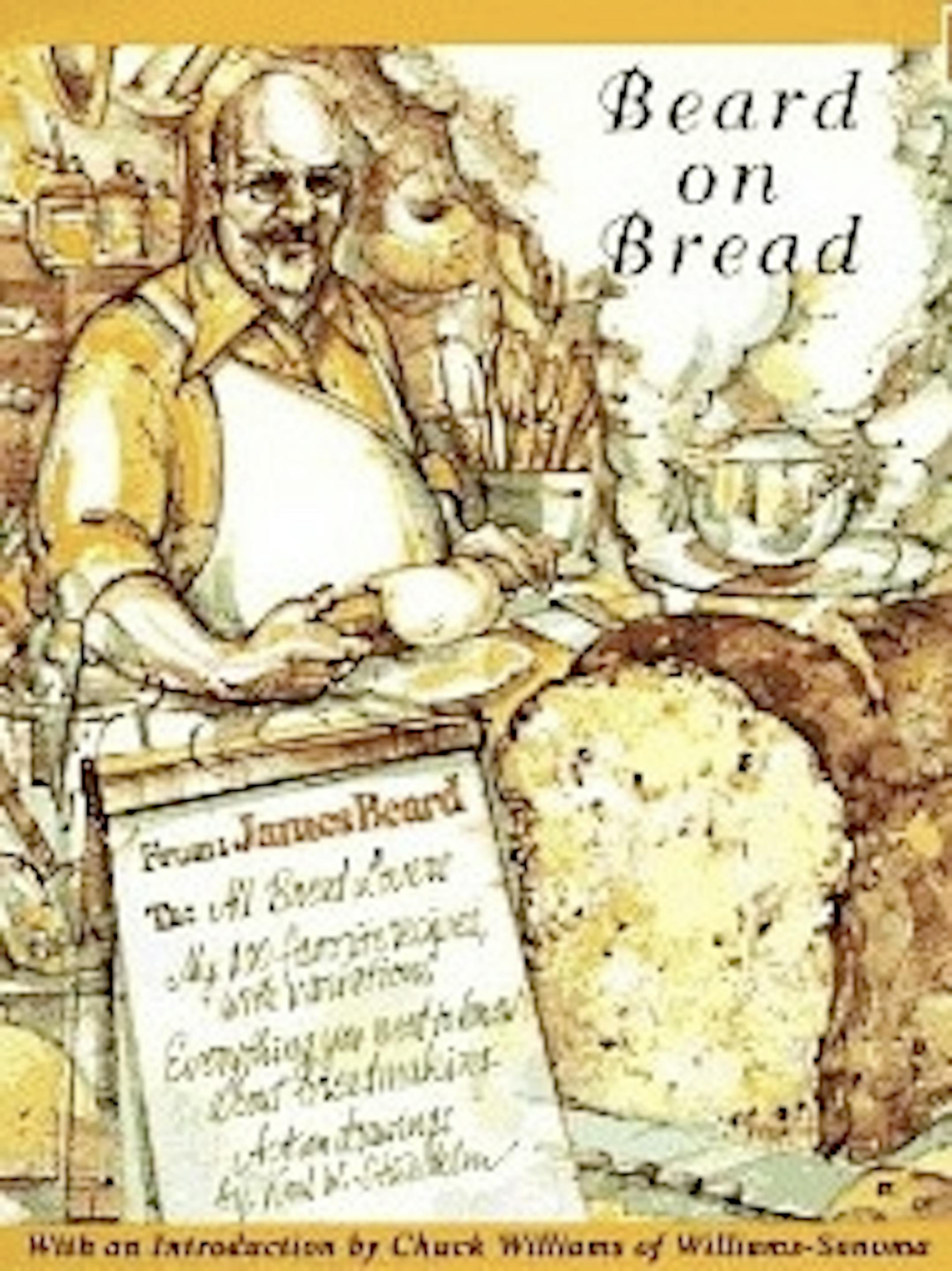
Beard was talking up his previously published "Beard on Bread" cookbook. When Knopf reprinted the title in 2009, it included a forward by Mr. Williams. "Jim, as James Beard was known to his many friends, loved to make bread," he wrote. "He loved the feel of the dough against his hands, and, as he often expressed, 'You really can't make good bread unless you can feel the texture, softness, and elasticity of the dough through your hands.' Ask him how long to knead the dough and the answer would probably be: Until it feels right!
"Jim was an imposing sight standing at a table with a mound of dough in front of him, his large hands caressing the dough, turning and folding it, until just the right moment, when he would stop, poke it with a finger, and pronounce it ready for rising.
"During the months and months this book was in its formative stages, bread was an all-consuming interest for him. It was a rebellion against the lifeless and characterless bread found on the shelves of the American supermarket. America had developed the automobile, the airplane, and the refrigerator, and had won the wars, but had failed miserably at making bread. Soft, spongy pre-sliced white bread with little flavor, slathered with butter or margarine And topped with peanut butter or jam, was what America was eating. There was little objection from most people, but Jim thought differently and was on a crusade to correct this sad state of breadmaking.
"Even though breadmaking has changed considerably since the publication of 'Beard on Bread,' the book is as viable today as it was in 1973. With its simple instructions and easy-to-follow recipes, new dimensions in breadmaking have been created for the home cook. To quote Jim: 'I find it always pleasant at the beginning of the day to 'proof' the yeast, to plunge my hands into the dough and bring it to life, to watch it rise, and to wait for the moment when the finished loaf can be taken from the oven. There is no smell in the world of food to equal the perfume of baking bread and few greater pleasures in eating than sitting down with a slice of freshly baked bread, good butter, and a cup of tea or coffee.' I heartily agree."
Mr. Williams is right. This book is still relevant. Here are two recipes.