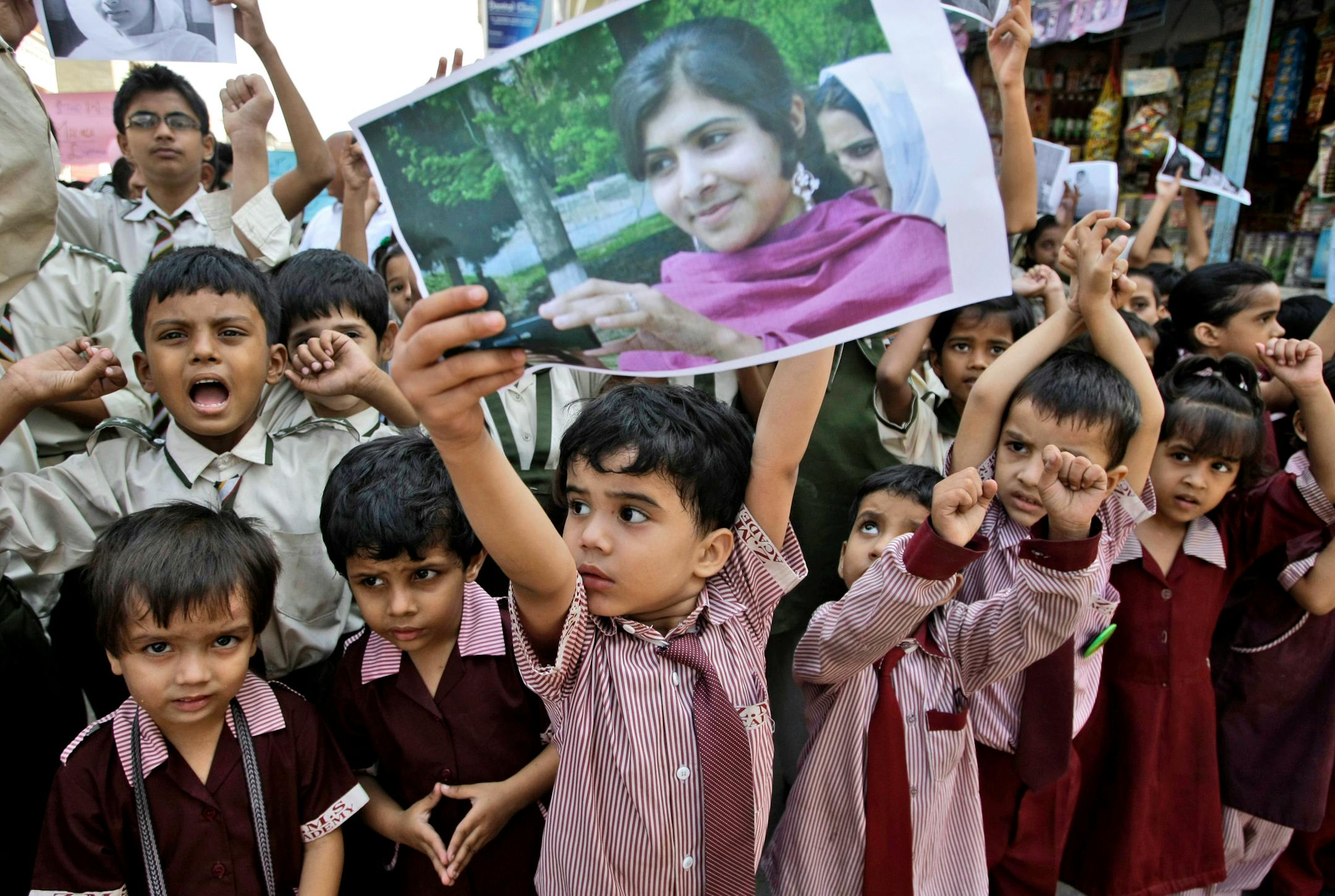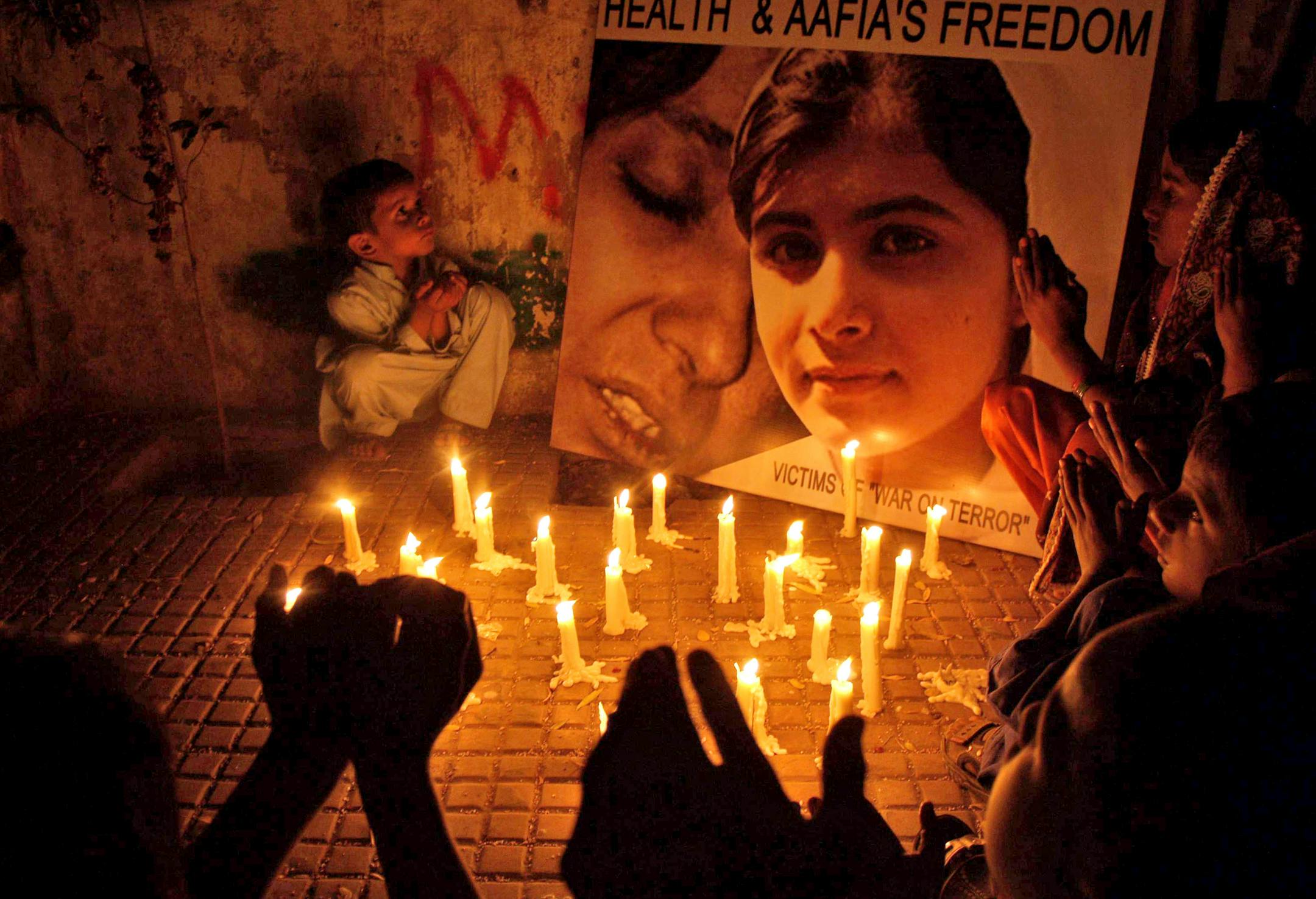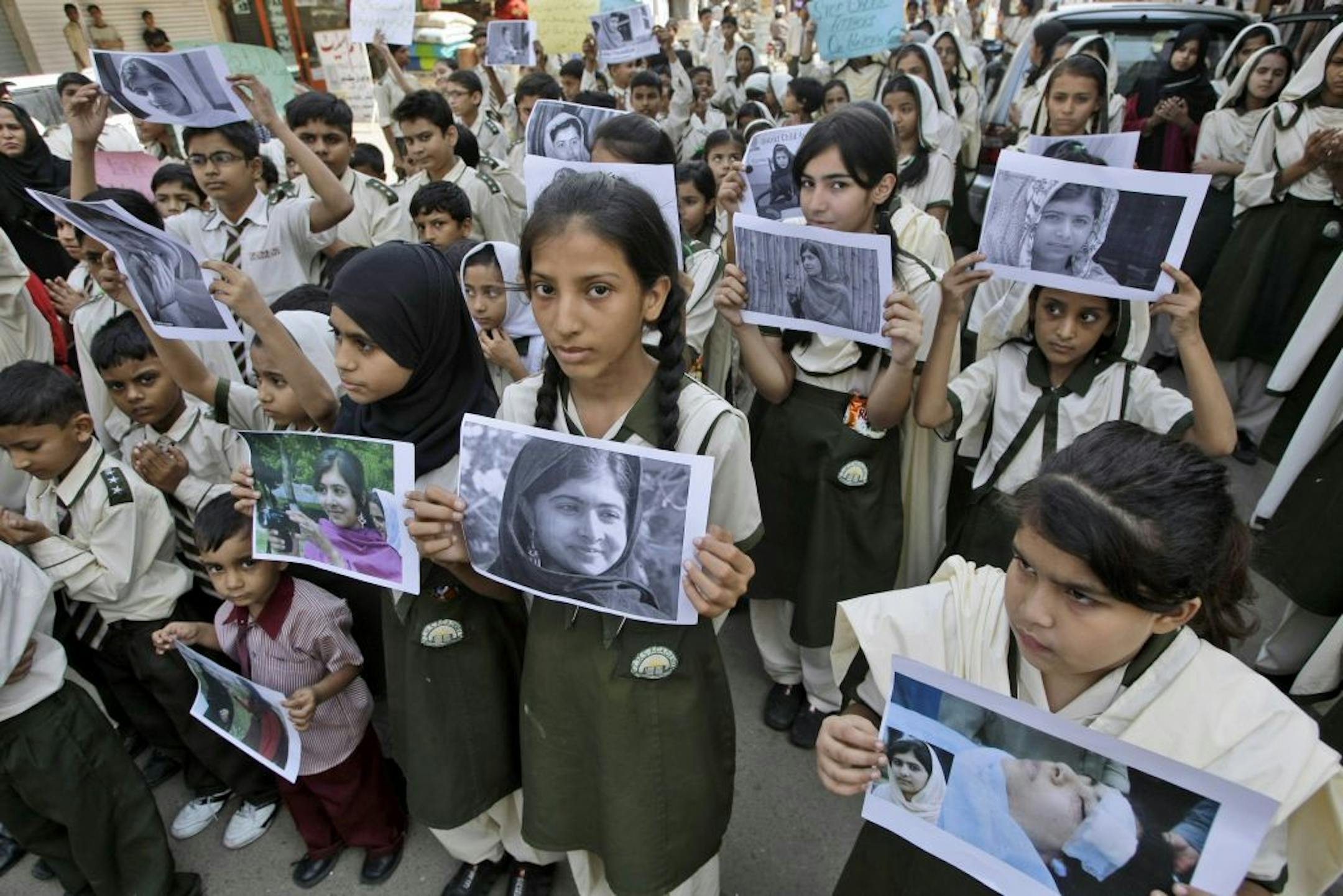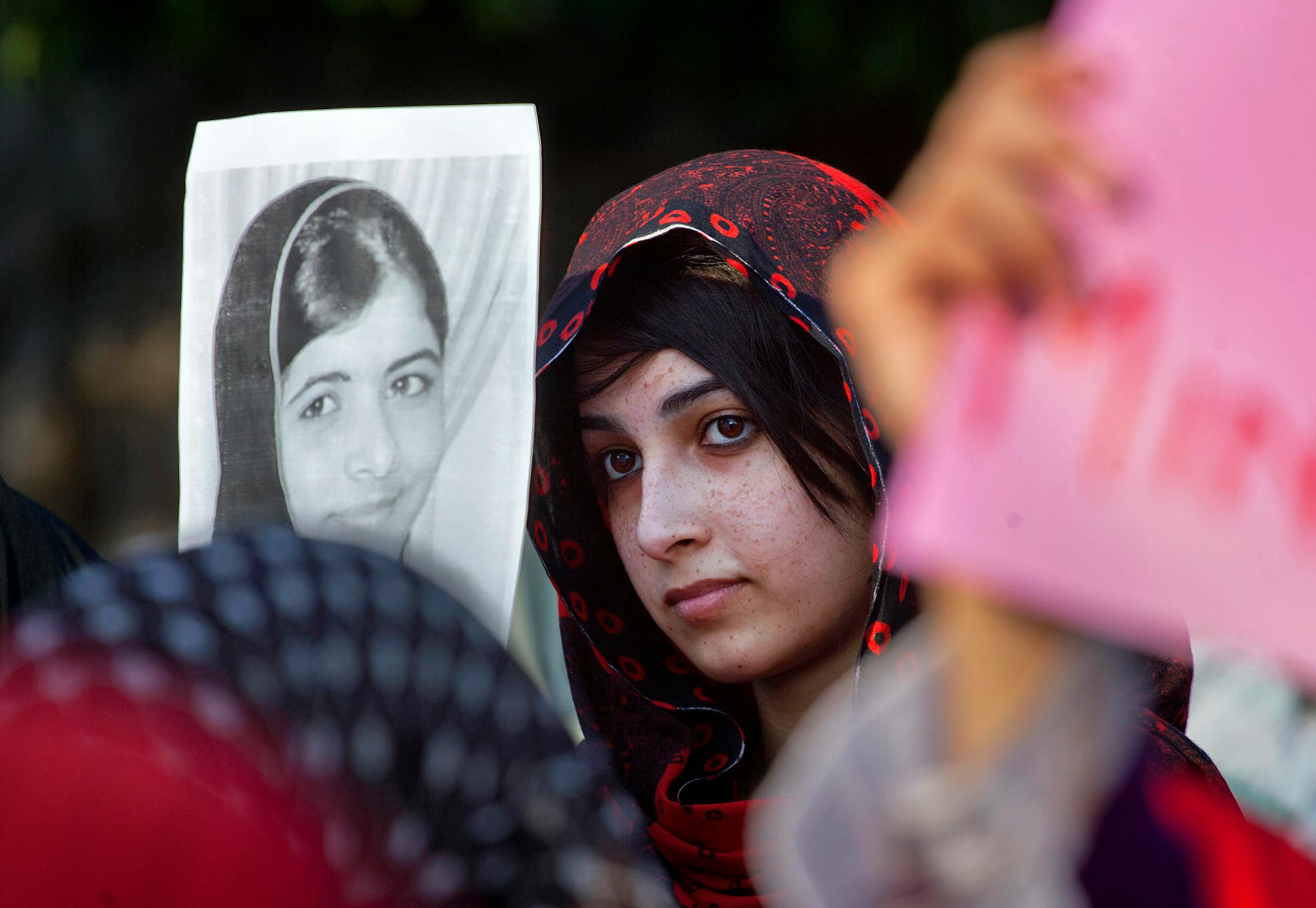
ISLAMABAD - On streets, on the airwaves and in the newspapers of a country numbed by years of bombings and assassinations, outrage against the Taliban is suddenly reaching a zenith. A 14-year-old girl lies critically wounded because she was bold enough to publicly demand an education.
It's a moment Pakistan's civilian and military leadership could channel into an all-out campaign against Islamic militants. Can they seize the moment?
Experts say there are too many obstacles. The enemy isn't encamped on a hill, it is embedded in cells across the country, in sprawling cities and in mud-hut hamlets. Even if they had the will, neither the police nor the army has the wherewithal to scour every corner of the country.
When police nab suspected militants, convictions are rare. Police work is often sloppy, largely because investigators lack basic skills to build cases.
Just as important, there is no indication that hard-line clerics are ready to rethink the militant mind-set they have encouraged. Leaders of religious parties at a session of the parliament this week linked the attack on the teen to the CIA's drone campaign in Pakistan's tribal areas and Washington's war against the Taliban in Afghanistan.
Yes, the shooting of Malala Yousufzai should be condemned, the clerics said, but it's U.S. meddling that turns law-abiding Pakistanis into radicals.
"Many of the religious parties are still speaking with forked tongues," said Ayaz Amir, a lawmaker and a political commentator. "There was hardly anyone even naming the Taliban."
Rise to a national figure