

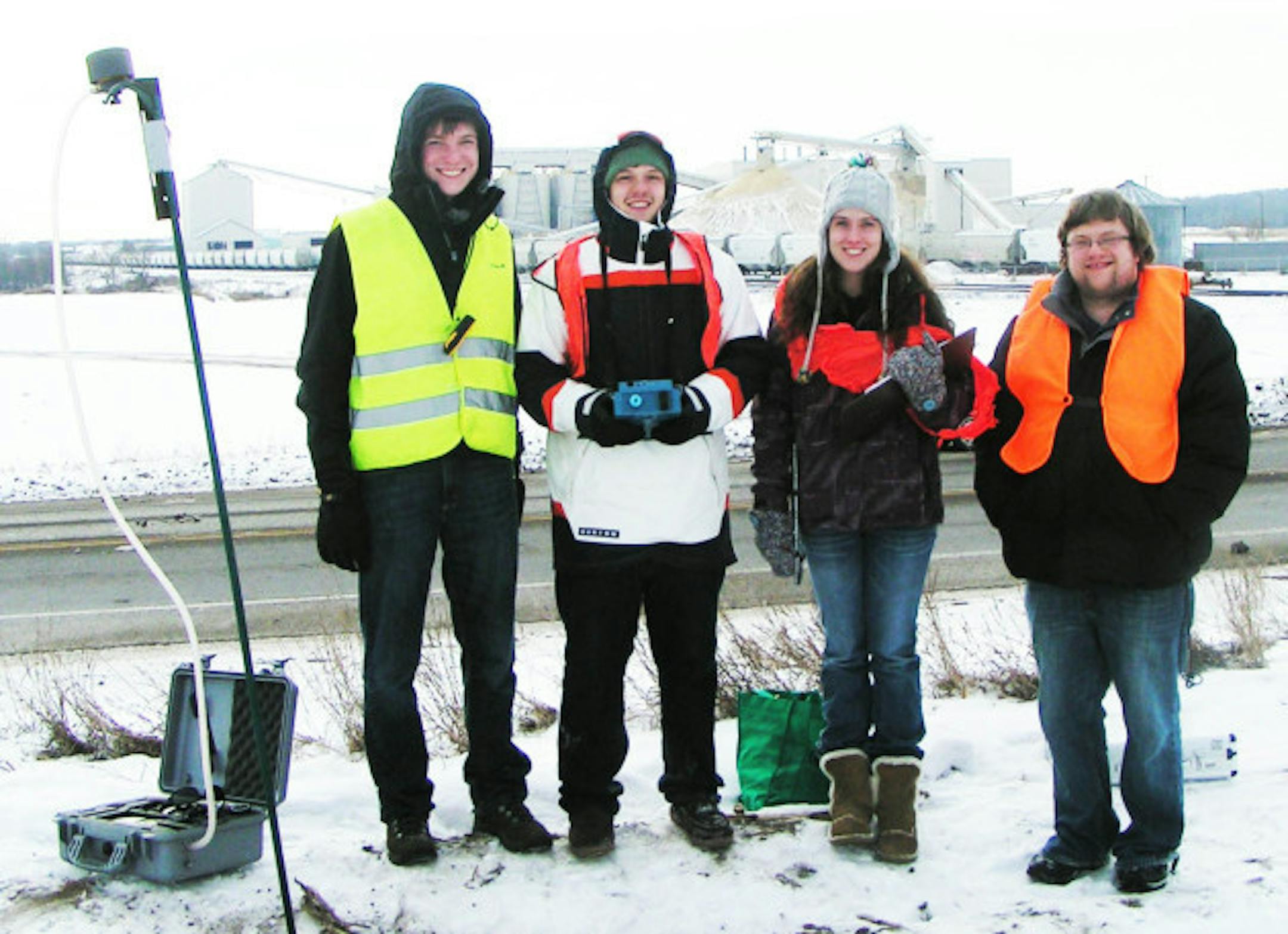
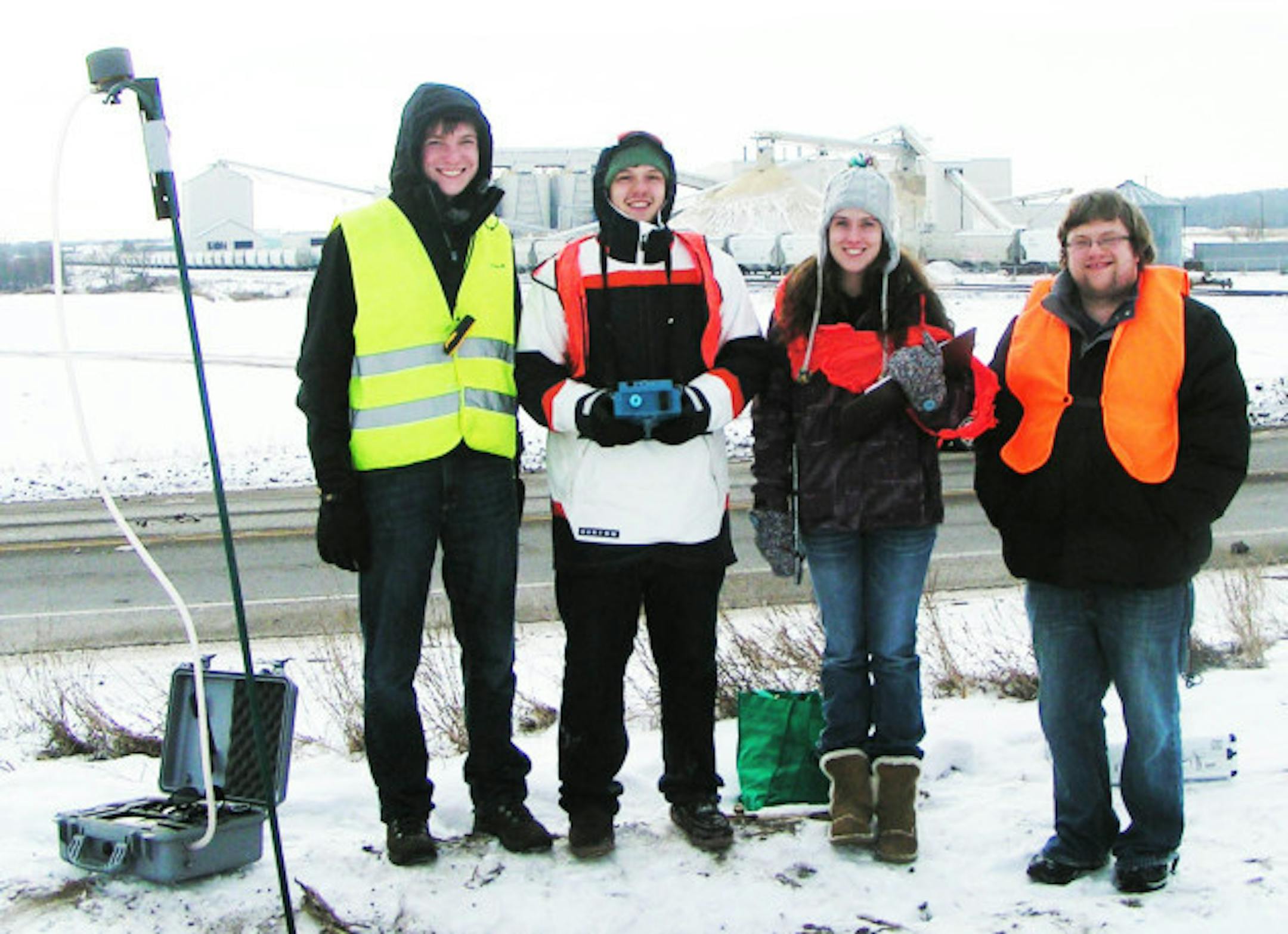
Dr. Crispin Pierce from the University of Wisconsin, Eau Claire, and students in the Environmental Public Health Program have released findings from an initial round of air monitoring "snapshots" they took outside frac sand plants in the Badger state.
The ongoing project is meant to understand long-term exposure concentrations and whether concentrations pose a public health threat. Such information is scarce in current debates over how far government should go in regulating frac sand mining.
The newly posted results show that concentrations of dangerous particles increased in the ambient air as one of the plants expanded operations.
The testing also found that one sand company gave unreliable estimates of how much particulate and silica would become airborne outside its facility. In another finding, levels of certain-sized particles were higher than the maximum concentrations predicted by the state Department of Natural Resources.
Rich Budinger, president of the Wisconsin Industrial Sand Association, said news coverage of the UW-Eau Claire class may be causing undue concern because the industry is safe and "highly regulated." Budinger said sand companies use "rigorous monitoring, regular health evaluations and sophisticated emission-control technology to protect employees – and, by extension, the public."
In Minnesota, the overall scarcity of air data around frac sand facilities prompted the Minnesota Pollution Control Agency to set up a collection agreement at a new frac sand drying plant in North Branch.
Minnesota doesn't automatically require companies to monitor ambient air for sand dust. The arrangement with Tiller Corp. is part of a deal to settle a pollution law violation.


