

Syphilis cases among Minnesota women jumped 63 percent last year, prompting a special state health alert on Tuesday calling for increased testing and awareness about the sexually transmitted disease.
The 107 syphilis cases detected among women through August of 2015 — compared with 64 in the same period in 2014 — were primarily among women of childbearing age in the Twin Cities metro area. The increase was sharpest, though, among Native American women, from five cases detected in the first half of 2014 to 28 last year.
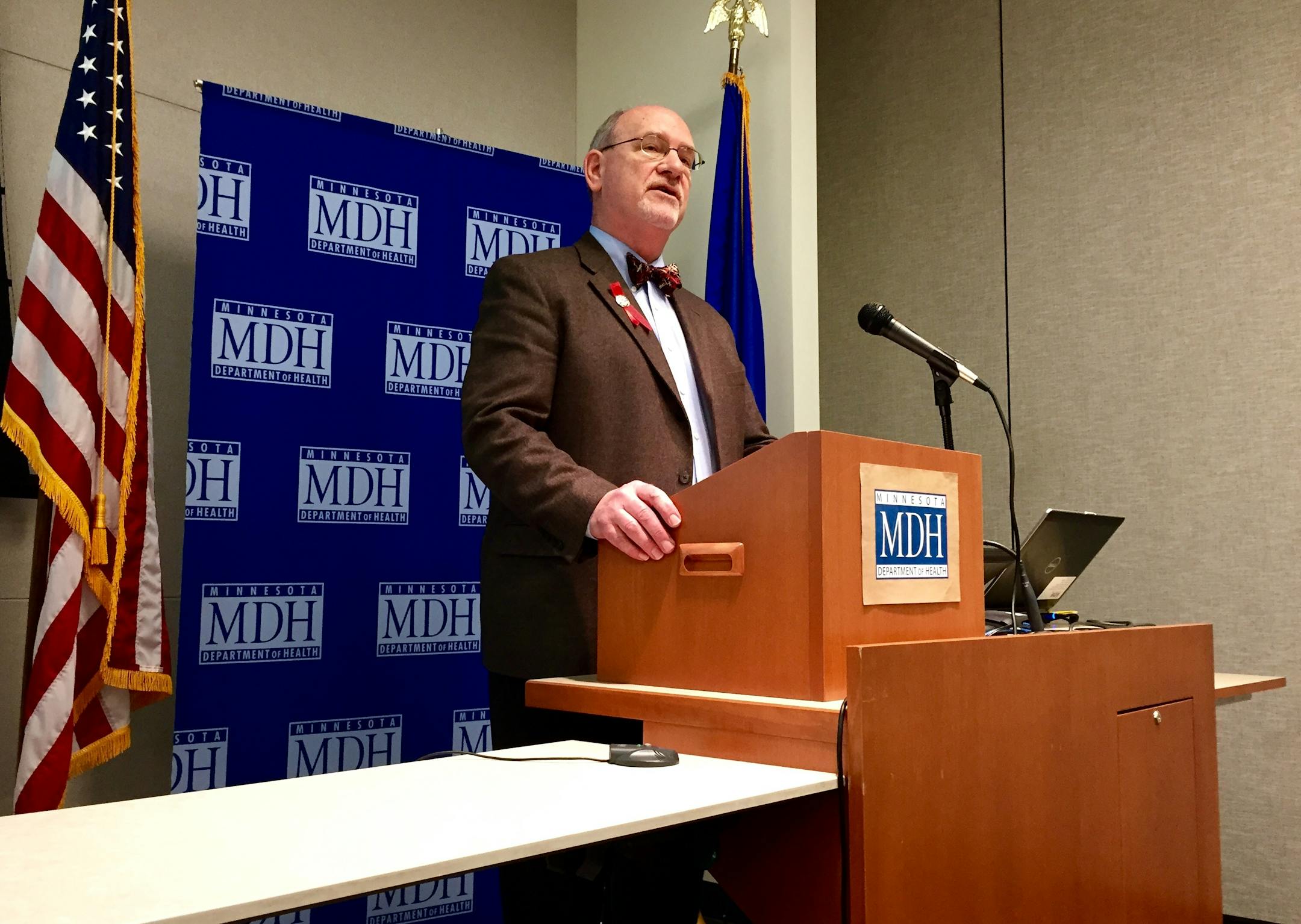
"Minnesota has not seen this many reported cases of syphilis in women in more than 20 years," said Dr. Ed Ehlinger, commissioner of the Minnesota Department of Health.
The reports included three cases of babies born to mothers with syphilis, which can cause life-threatening conditions in infants. State health officials have consequently urged pregnant women and their doctors to obtain STD tests at three points during pregnancy — at the first prenatal visit, the 28th week of gestation, and at the time of delivery.
While treatable with common antibiotics, syphilis left untreated can lead to a variety of complications such as blindness, brain damage, heart problems and even death. In a pregnant woman, syphilis can lead to premature or complicated births.
Oddly, the spike in female cases appears to come amid a decline among males. The number of male cases through August 2015 was 306, compared with 375 in the same time frame in 2014. Public health communications targeted at men who have sex with men — the demographic with the highest syphilis rate — led to the progress, along with prophylactic antibiotic treatment for sexual partners of infected people.
Now, however, health officials worry that the disease is emerging in new populations, said Krissie Guerard, who manages the state Health Department's STD section.
"It takes one person who is infected to enter a community," she said. "It's like any other STD."


