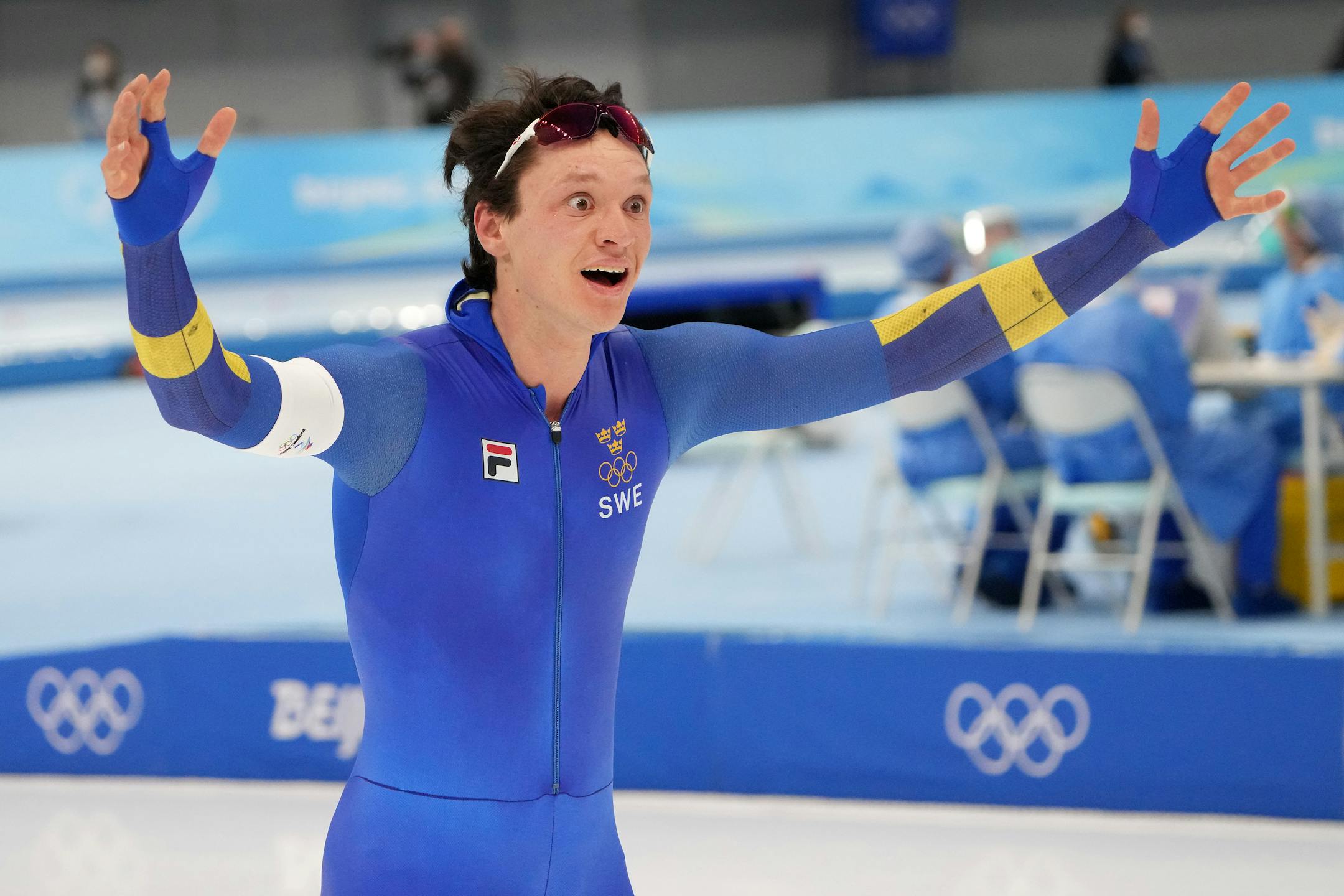
Swedish skating star Nils van der Poel jumped for joy on the podium when he received his gold medal for the men's 10,000-meter speedskating race at the Beijing Winter Olympics. Years of grueling training had brought him the world record-breaking victory.
Even in his moment of glory, though, he had a secret plan: to use his victory to denounce the Chinese government's clampdown on free speech, dissent and ethnic minorities.
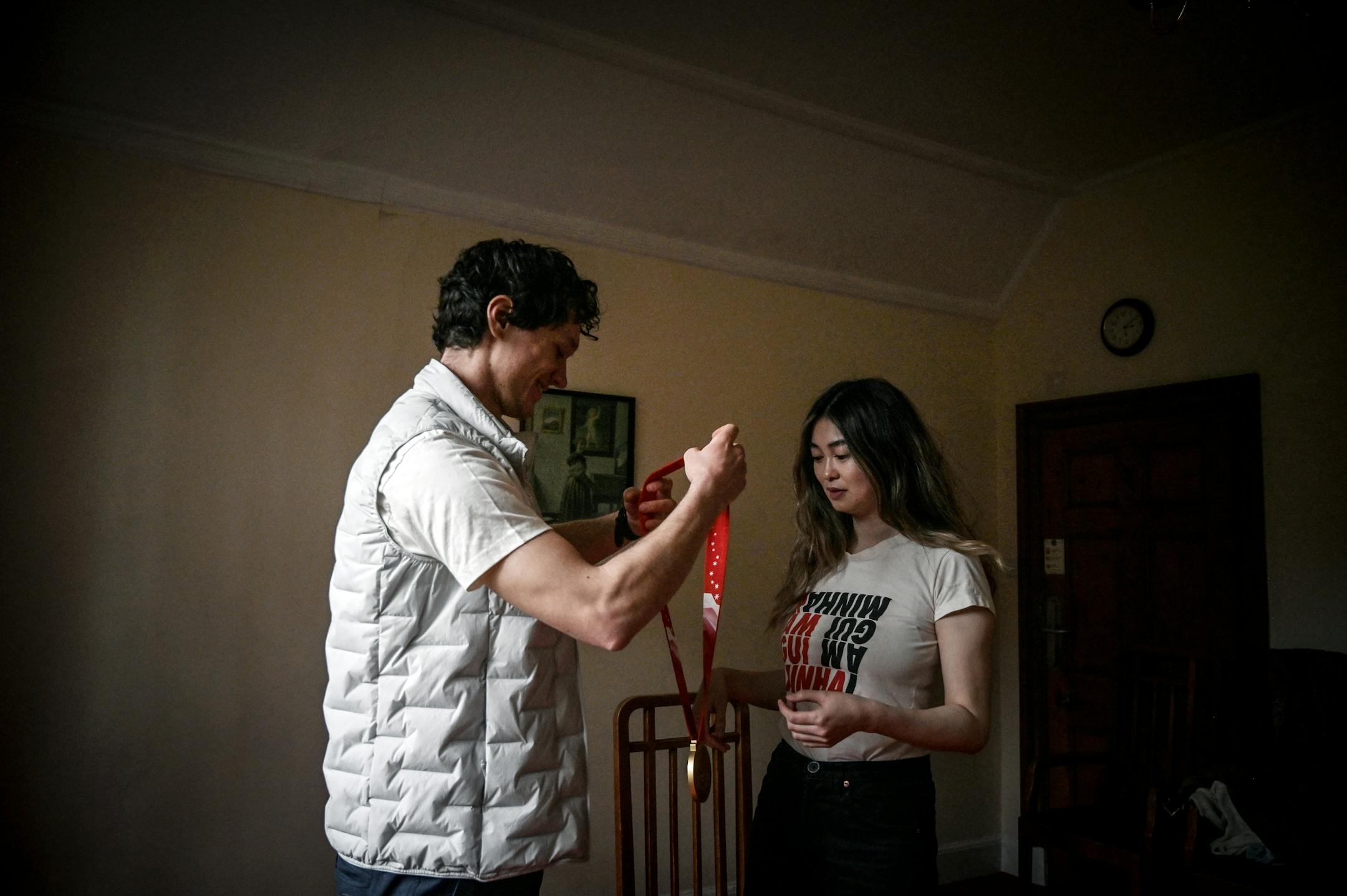
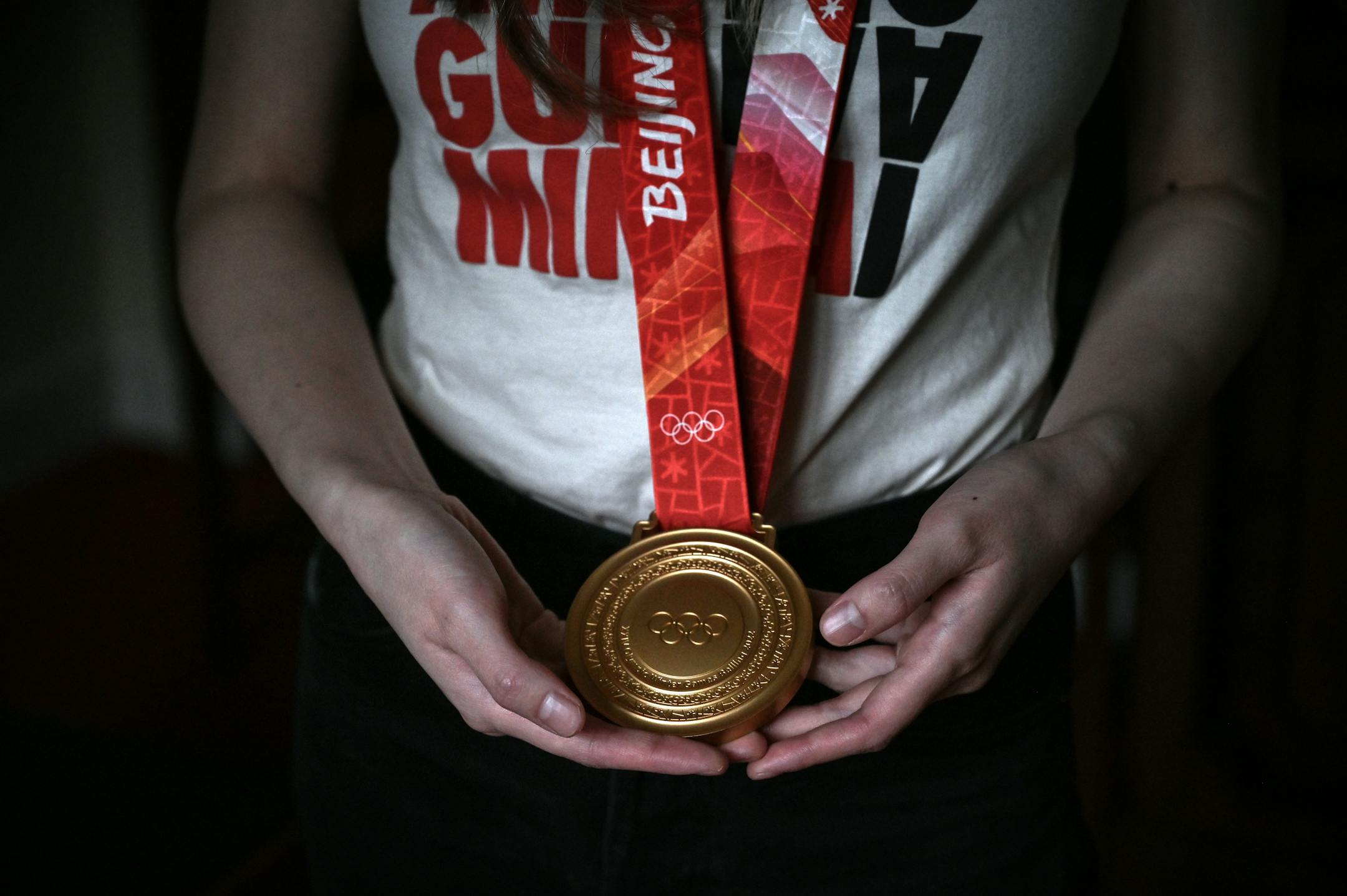
Van der Poel has now acted on that plan. On Feb. 24, he gave his gold medal to the daughter of Gui Minhai, a Chinese-born Swedish publisher of books critical of Beijing, who is serving a 10-year prison sentence in China. It was the boldest protest yet by an athlete who took part in the Beijing Games.
"I realize that Gui Minhai will not be set free because of this. I realize that the Chinese people will not stop suffering from oppression because of this. But I really, really believe in free speech," van der Poel said in Cambridge, England, where he handed the medal to Angela Gui, Gui's daughter, in a small, improvised ceremony.
"I really see myself as the guy holding the microphone in front of Angela," van der Poel said in an interview before the ceremony. "I just hope that human rights get to stand in the center of this."
From the time they were awarded to China, the 2022 Winter Olympics ignited controversy over the Communist Party's suppression of dissent. Human rights groups called for a boycott, citing China's repression, particularly of the Uyghurs, a Muslim minority, in the Xinjiang region.
During the Games, no athletes openly protested against China. Chinese officials had warned athletes that they could be punished for making comments deemed to be against the law, a threat that van der Poel said convinced him to abandon an idea to refuse to appear on the medal stand in protest.
"I thought that would be a very cool picture," he said.