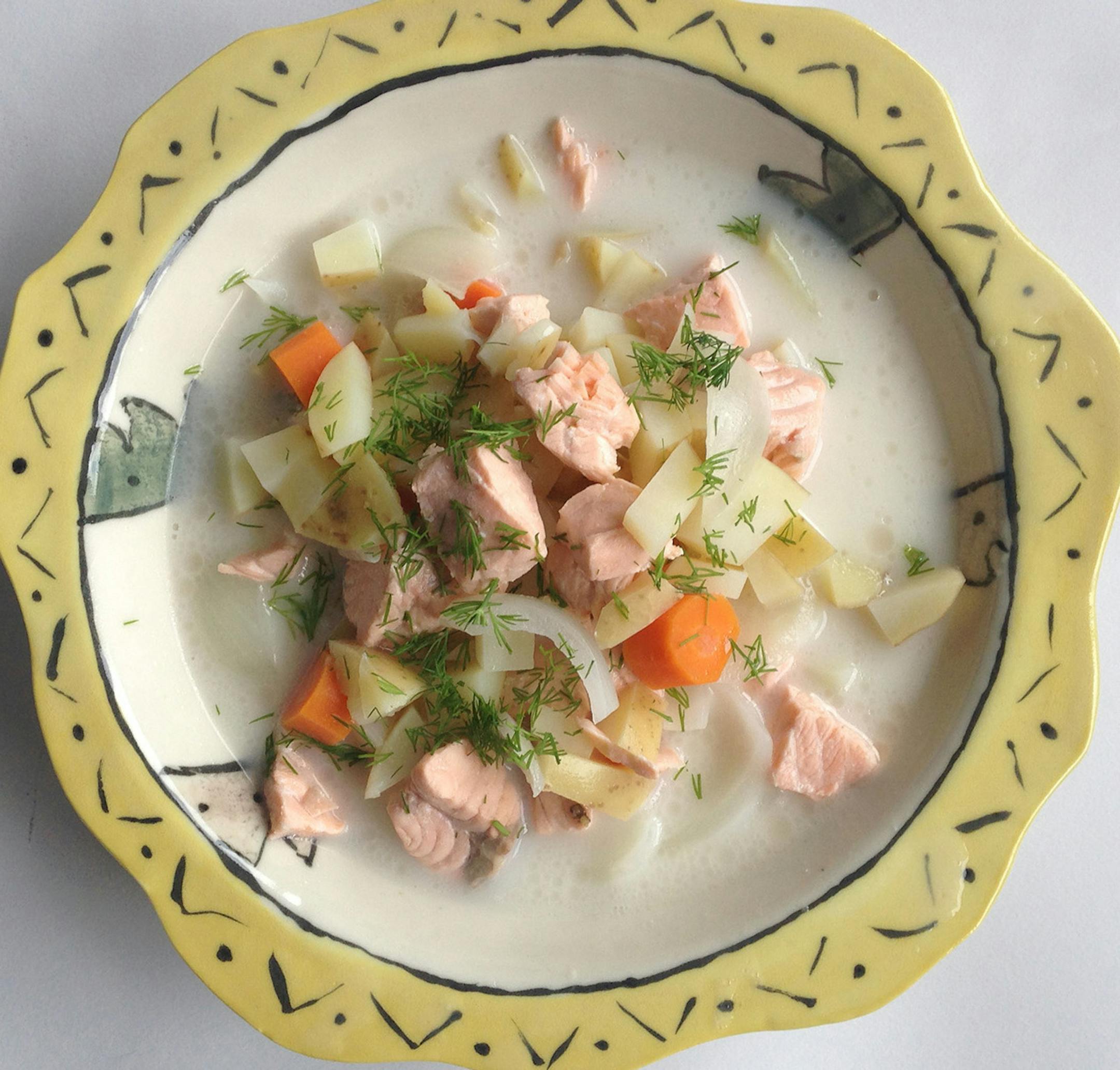
It's Saturday in the kitchen, and I am surrounded by the raw ingredients that make up the food of my people: potatoes, cream, salmon, pork and dill. Yes, lots of dill.
These familiar foods, which look so commonplace on my counter, can be found on the dinner plates of many cultures.
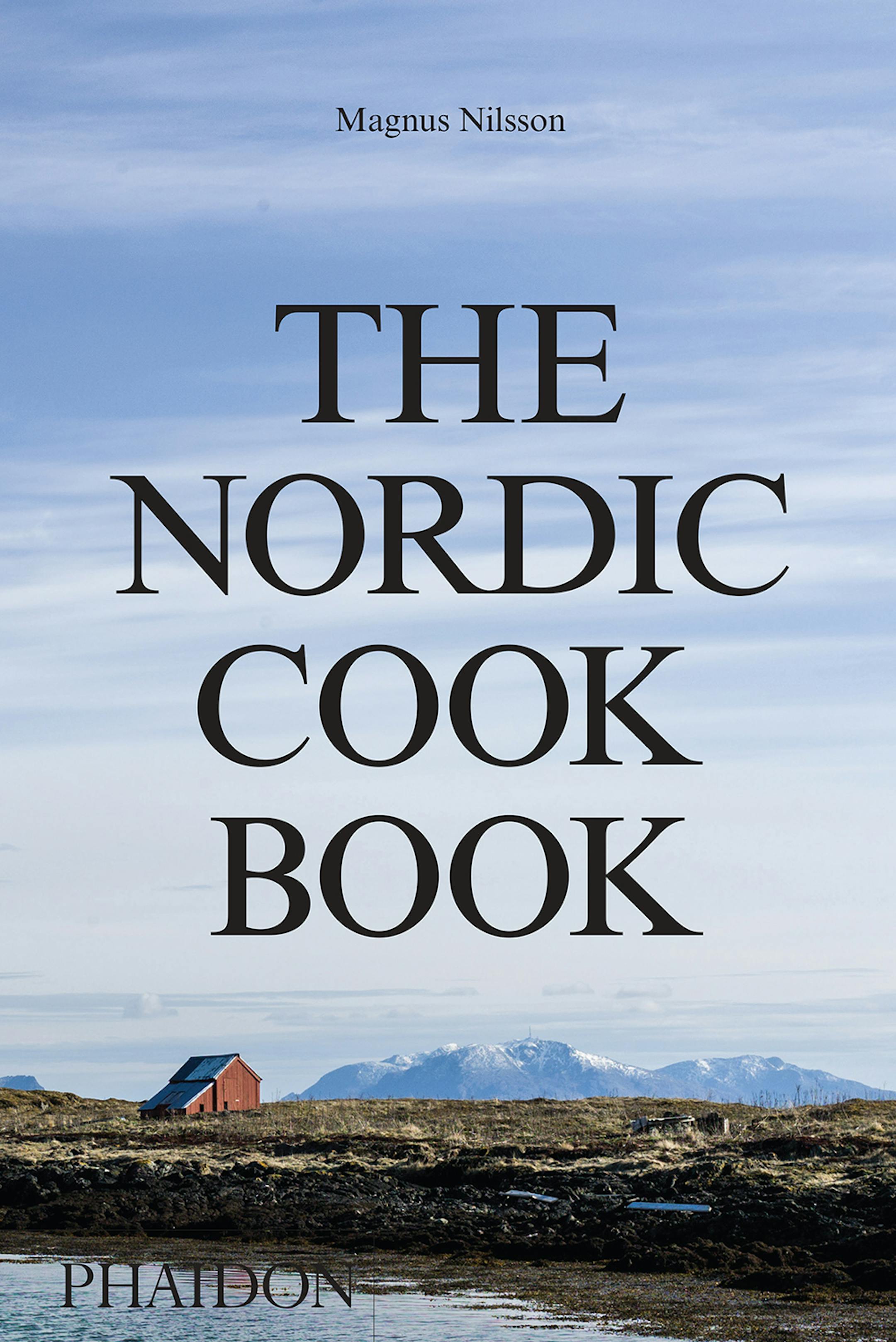
But today, as I cook from the encyclopedic "The Nordic Cookbook" (Phaidon, 768 pages, $49.95), by Swedish chef Magnus Nilsson, I'm feeling Scandinavian from head to toe — not so incidentally, because I am, with family genealogy dating to the 15th century.
This book might well be called "The History of Nordic Cooking," or even "The World of Nordic Cooking," for all its historical reference and thorough research.
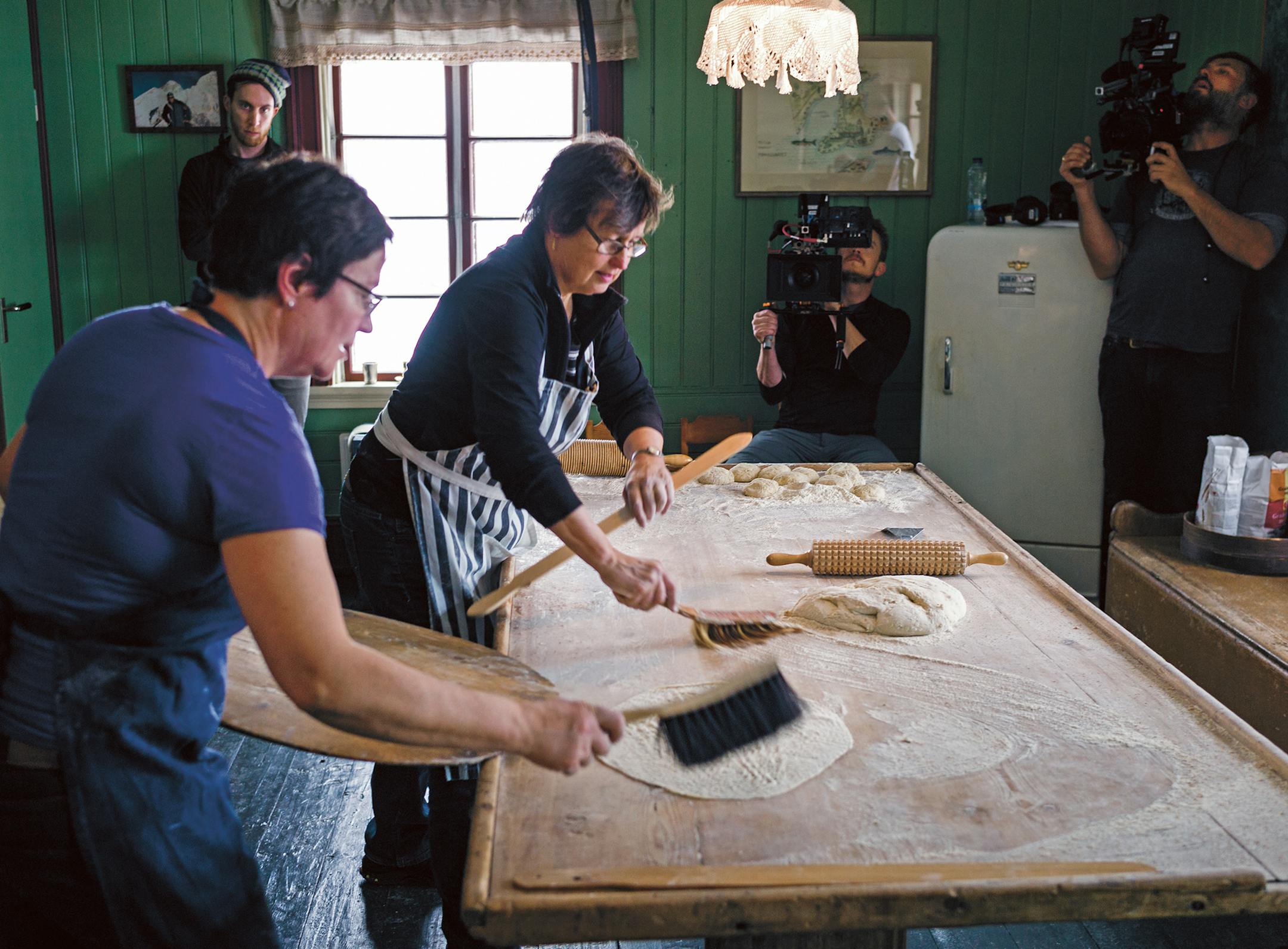
Instead, the book's simple title for a not-so-simple subject reflects the heart of its content. This is a collection of recipes that illustrate the cooking that appears in homes throughout a region that encompasses 1.3 million square miles and seven countries.
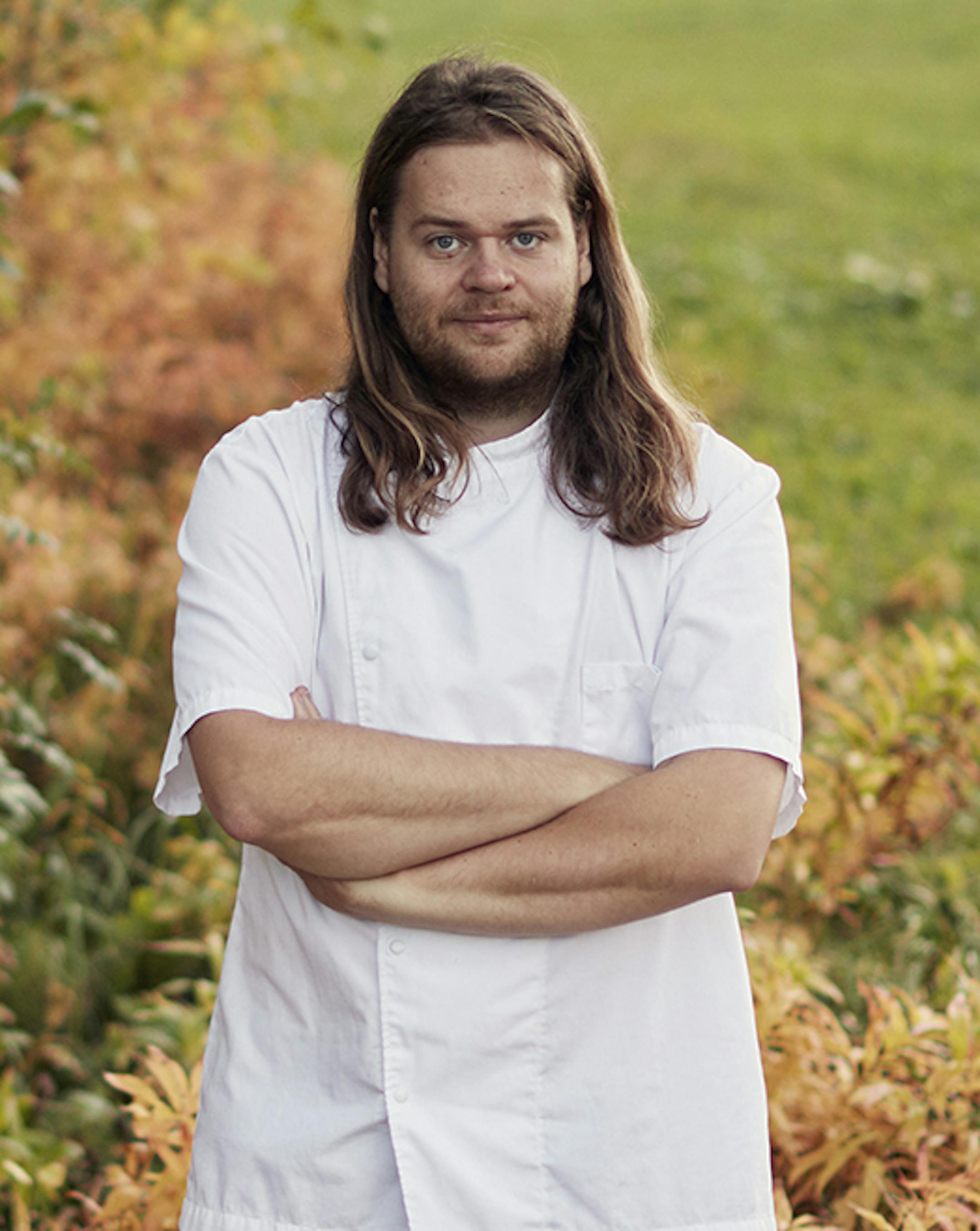
Nilsson visits our land of nearly 600,000 Swedes — that would be Minnesota — this week to talk about all things Nordic, including his book, at the American Swedish Institute, where an exhibit of his photographs, taken for the cookbook research, will be on display through Aug. 14.
His spin on modern Nordic food, with its focus on seasonal fare from the land and waters near his home, has captured the food world's attention during his tenure as chef of the 16-seat Fäviken Magasinet in western Sweden. In the classic Nordic manner, much of the food is gathered during the short growing season and preserved for culinary use during colder months.
If you want to cook in the manner of Nilsson, you can find recipes from the restaurant in his first book, "Fäviken."