

Minnesota is increasing its search for more infectious strains of the coronavirus that causes COVID-19, hoping to identify any troubling variants that could reverse the sharp declines in pandemic activity over the last month.
Four of five key pandemic measures are below Minnesota's high-risk thresholds for the first time since last summer — with the positivity rate of diagnostic testing dropping to a near-record low of 3.4% on Wednesday and the daily rate of new infections receding below 10 per 100,000 people for the first time since last July.
Minnesota's hospitalization rate of COVID-19 patients also returned to a level last seen in March before the latest wave of viral transmission.
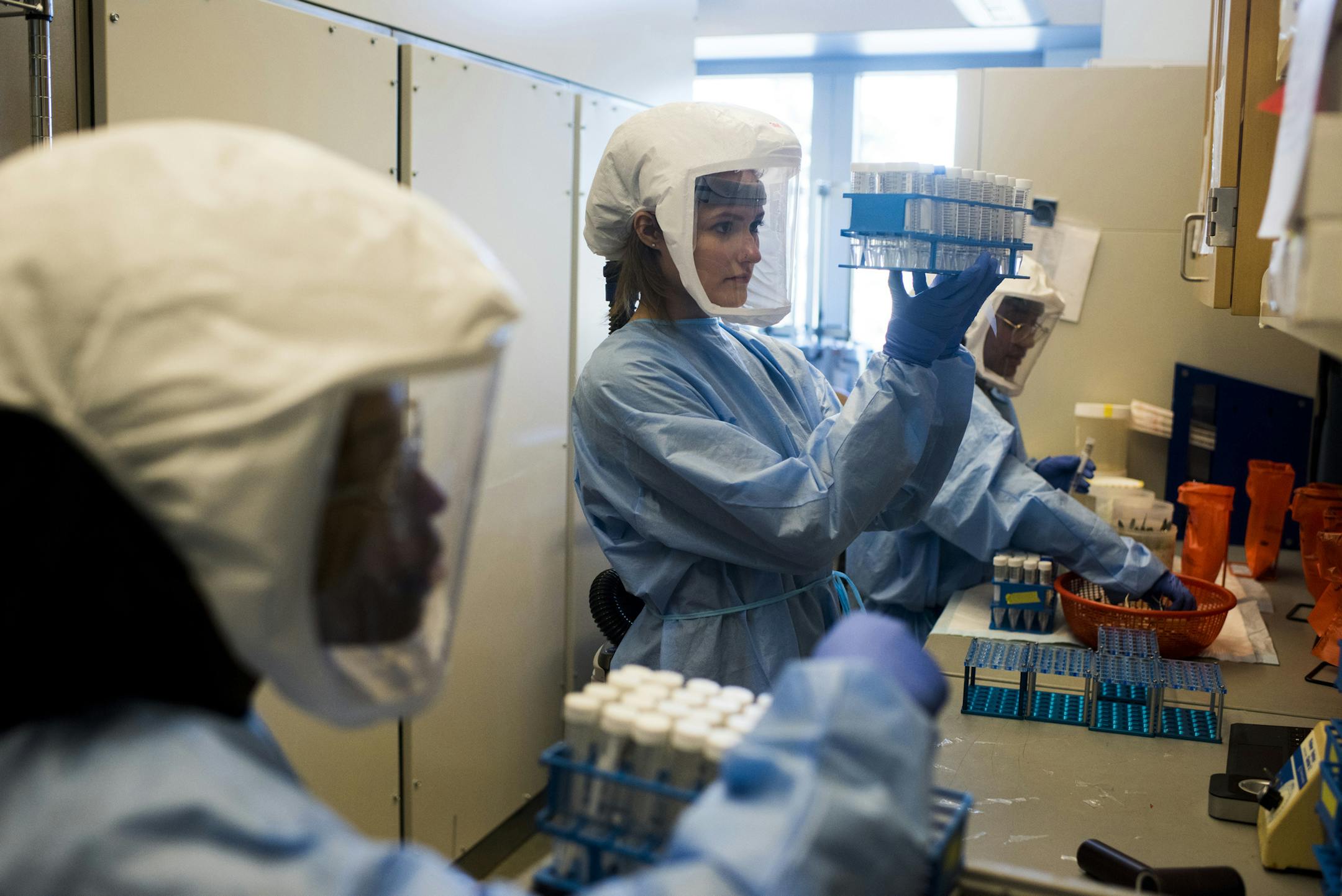
The declines present an ideal chance to increase surveillance through genomic sequencing, which can provide an early warning if a variant causes a higher rate of infection among unvaccinated people or more "breakthrough" infections among vaccinated people, said Kenny Beckman, director of the University of Minnesota Genomics Center, which has sequenced 3,000 samples from positive COVID-19 cases in Minnesota.
"What you want to know as early as possible is, has there been some change in the virus that is enabling it to escape the immune system? The only way to do that is to be proactive with these cases," Beckman said. "Surveillance is not the kind of thing you wait to do once you have a problem."
Minnesota has been a leader nationally in sequencing, which uncovers the unique signatures of viruses that can identify where they originate and whether they are more infectious or likely to cause severe illness.
The state sequenced 7,780 samples from positive cases in the four-week period ending May 8, according to the Centers for Disease Control and Prevention. Only Florida sequenced more samples in that time frame.
A new CDC contract announced Wednesday is increasing that capacity — funding analysis of 6,000 more samples by the U genomics lab over the next year for Minnesota and eight other states.


