

One evening about a half-century ago, a group of smart-alecky hooligans I ran with at the time hatched one of many ill-considered schemes and piled into a car to follow our favorite high school teacher and drama coach home from a play rehearsal. Our fondness for her was of a respectful enough kind, but we were irresistibly curious about her life away from school.
Miss Johnson (not her real last name) drove into south Minneapolis and double-parked, engine running, while she hurried into a house. A minute later she emerged leading a little girl by the hand. And before they drove off, our favorite teacher turned, scowled and waved to us.
We'd been made, and we'd learned more than we really wanted to know. Miss Johnson harbored what was still a scandalous secret in those bygone days. She was an unwed mother.
But times were changing before our eyes in the 1960s. Abruptly, following our invasion of her privacy, Miss Johnson simply stopped concealing her situation and started bringing her daughter to rehearsals and other after-school events. She seemed happier, liberated, the way I remember it. Anyway, we liked her all the more.
And this small, curious defeat for "scarlet letter" shame concerning sex and its consequences seemed part of that rebellious era's sweeping social victory for nonjudgmentalism and free living.
I excavate this memory because in recent months the times have seemed to be changing before our eyes once again, in a rather different way, where sexual norms are concerned. And there aren't that many of us dinosaurs left who can dig up living memories of what the world was like before the sexual revolution set everybody free — sort of.
"There is something odd happening to feminism these days," writes estimable Bloomberg View columnist Megan McArdle in a remarkable recent column. She identifies "a stark split between its older and its younger practitioners."
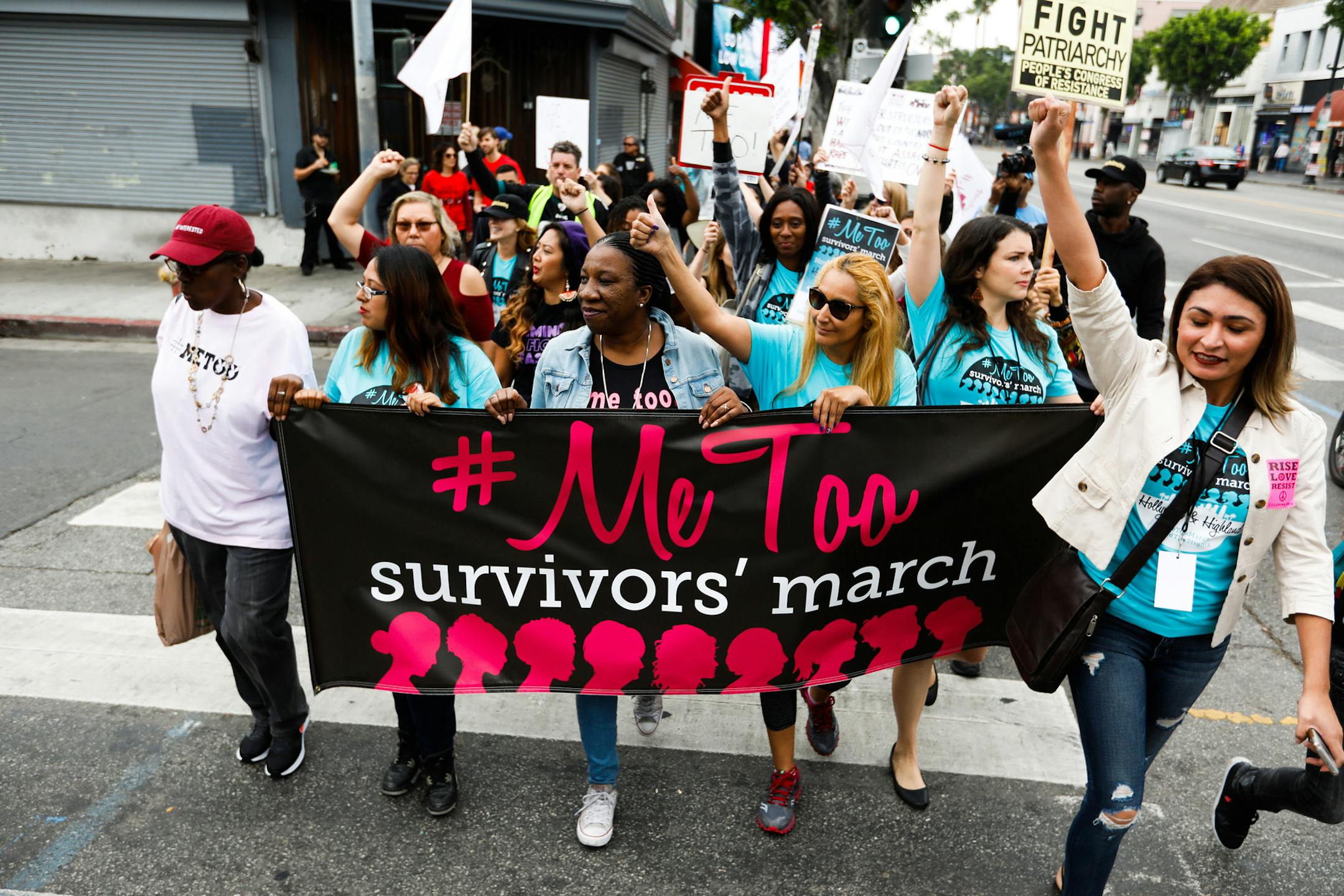
McArdle says it turns out that younger women have not been feeling particularly free in recent years, but almost "powerless." And they don't seem satisfied with the #MeToo movement's stunning successes toppling rich and powerful sexual predators and harassers far and wide. Younger women, McArdle writes, seem to want a broader change — enough to liberate them from a reckless sexual scene where they feel socially compelled to indulge men "aggressively pursuing casual sex without caring about the feelings of their female target" and often behaving "like a deranged mink."


