

WASHINGTON
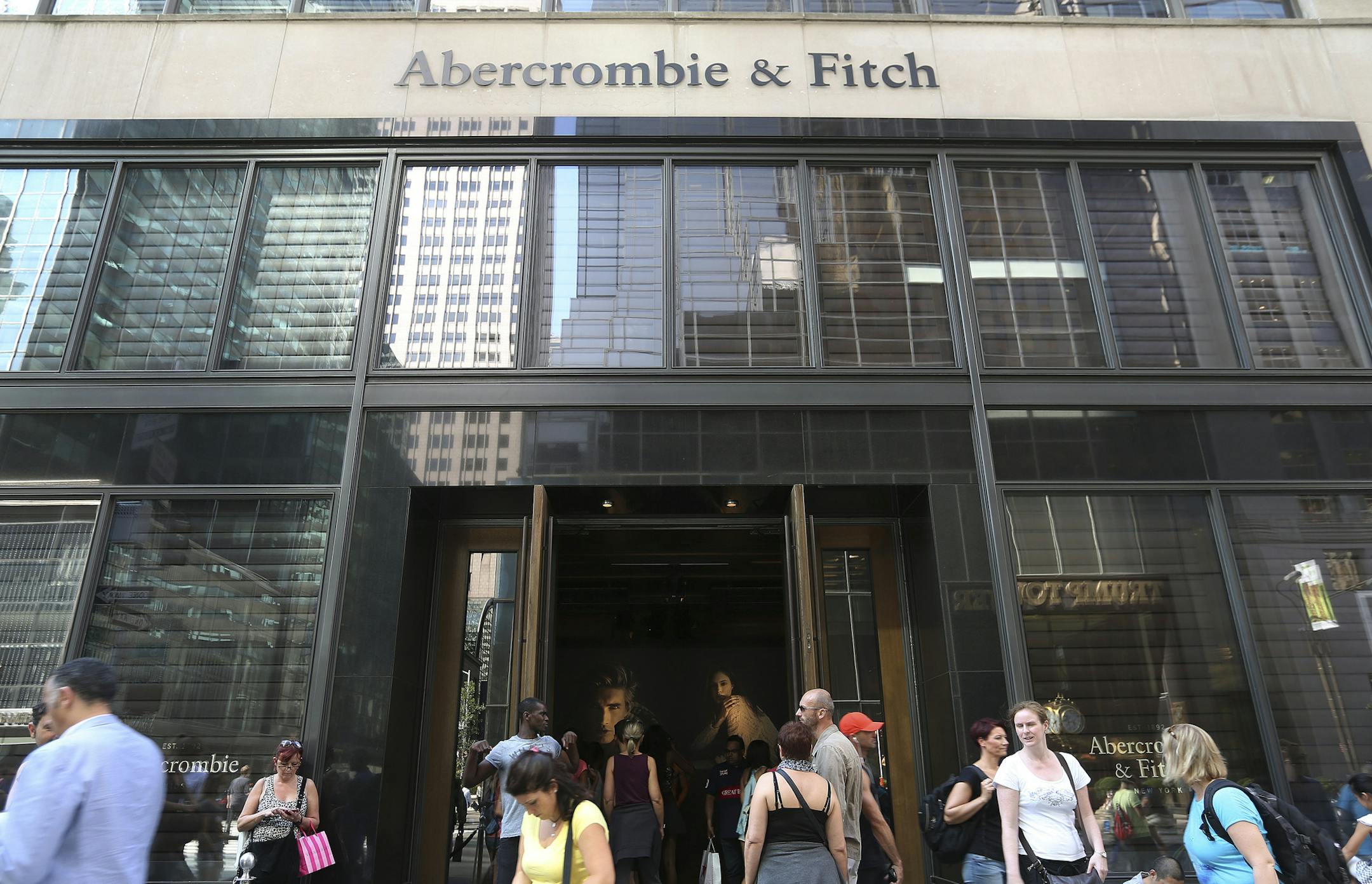
The justices Thursday said they will hear an appeal from the U.S. Equal Employment Opportunity Commission, which is suing the retailer under a federal job-bias law on behalf of Samantha Elauf. A federal appeals court threw out the suit, saying Elauf didn't explicitly tell Abercrombie that she needed a religious exemption from its dress code to work at a Tulsa, Okla., store.
The court ruled in a separate case in June that corporations can claim a religious exemption from the Affordable Care Act's birth-control coverage requirements. The new case aligns President Obama's administration with religious organizations, potentially pitting them against business groups looking to fend off lawsuits over dress codes and work schedules.
Claims of religious discrimination in the U.S. workplace are rising. The EEOC received 3,700 formal complaints last year, more than double the number 15 years earlier.
The issue "is of enormous practical importance to a wide array of believers from numerous religious traditions, and its importance increases daily as the nation grows more religiously diverse," according to a court filing by eight religious groups, representing Christians, Jews, Sikhs and Muslims.
Federal law requires an employer to "reasonably accommodate" workers' religious practices as long as the business wouldn't suffer an "undue hardship."
The case stems from Abercrombie's requirement that its in-store salespeople reflect the store's style. Under Abercrombie's "look policy," salespeople must wear styles similar to the clothing sold in the store and are prohibited from wearing hats or anything black.
Elauf, then 17, wore a black scarf, known as a hijab, when she met with an assistant manager about a job at an Abercrombie Kids store in 2008. The subject of her religion never arose during the interview, and the manager, Heather Cooke, was prepared to offer Elauf a job.


