

Few things unite Americans like our shared hatred of robocalls, which have become a daily affliction for far too many of us. For example, my colleague Rob Greene reported that "on Wednesday, I got 22 voicemail messages on my landline from fraudulent automated callers telling me to call back regarding a suspicious overseas charge on my 'Amazon account.' " (Insert your joke here about Rob still using a landline.)
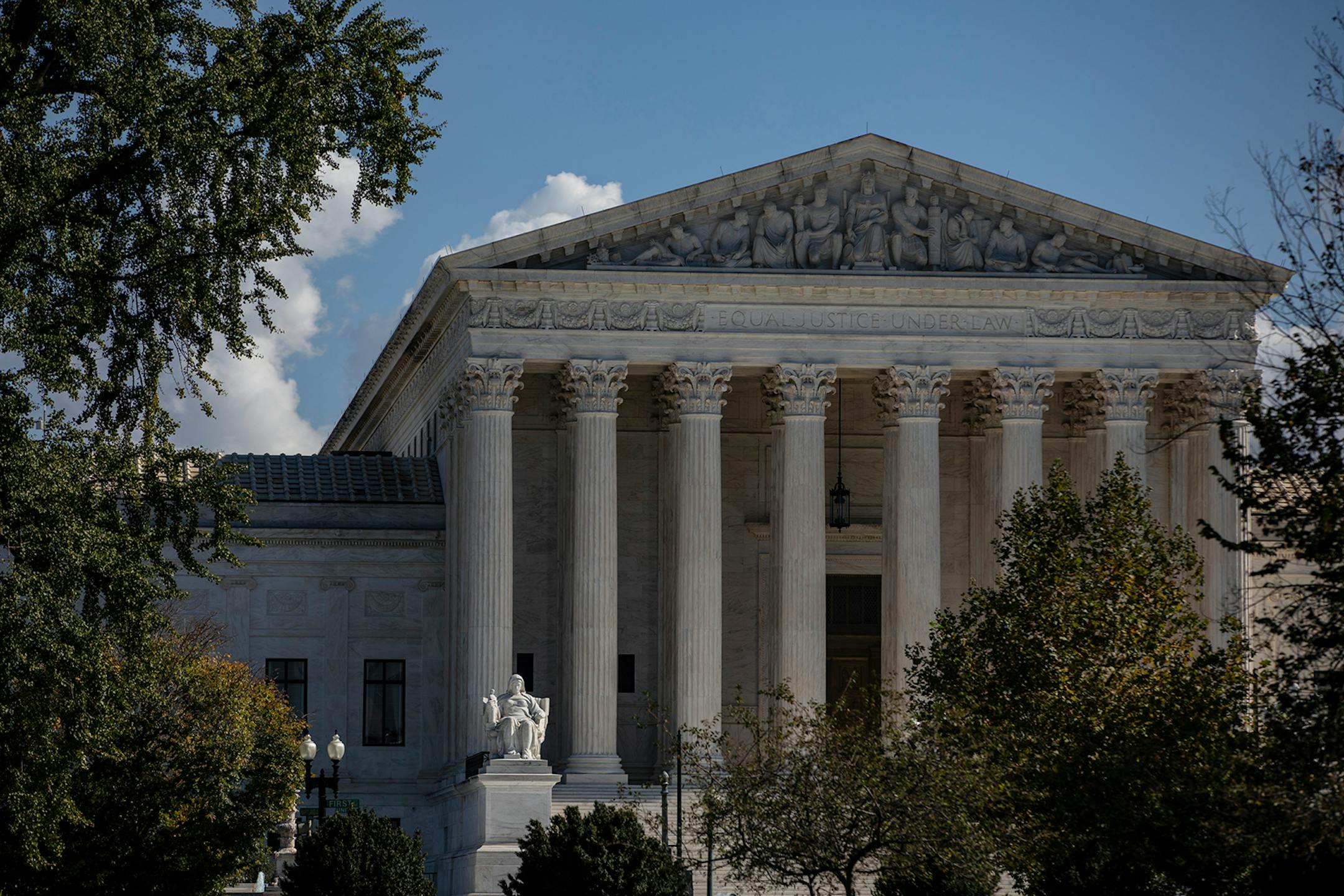
So Thursday's Supreme Court ruling undermining the main federal law against robocalls was a slap to the face, on the side that's usually pressed against your smartphone.
Writing for a unanimous court, Justice Sonya Sotomayor declared that the 1991 Telephone Consumer Protection Act applies only to robocalls made by equipment that manages to find your phone by happenstance, either by generating numbers automatically or dialing them randomly. Calls deliberately dialed from a stored number database are exempt.
In other words, the justices laid out a road map for telemarketers, scammers and the rest of the hellish robocall fraternity to ping your phone with impunity. Kinda sorta.
There is still the federal Do Not Call list, but that's notoriously ineffective. And there's a separate set of prohibitions on debt collectors, although that hasn't deterred collectors of fake debt.
The justices ignored dozens of consumer and privacy advocates, not to mention 21 members of Congress, who were involved in drafting and passing the 1991 law. They asserted to the court that Congress' intent was clear: to bar all forms of unsolicited, automatically dialed calls because they made phones themselves less useful.
"The TCPA has been consistently enforced to include both randomly dialed numbers and dialing from databases without consent," the members of Congress stated in their brief. "Even then, complaints about robocalls have increased. Simply put, robocalls are not only a nuisance to those that receive them, they are threatening the viability of the telephone as a useful means of communication."
Amen to that. But the Supreme Court's conservative majority includes textualists who care less about what lawmakers meant to say than what they actually said. And even its liberals pay heed to the meaning of the law as written.


