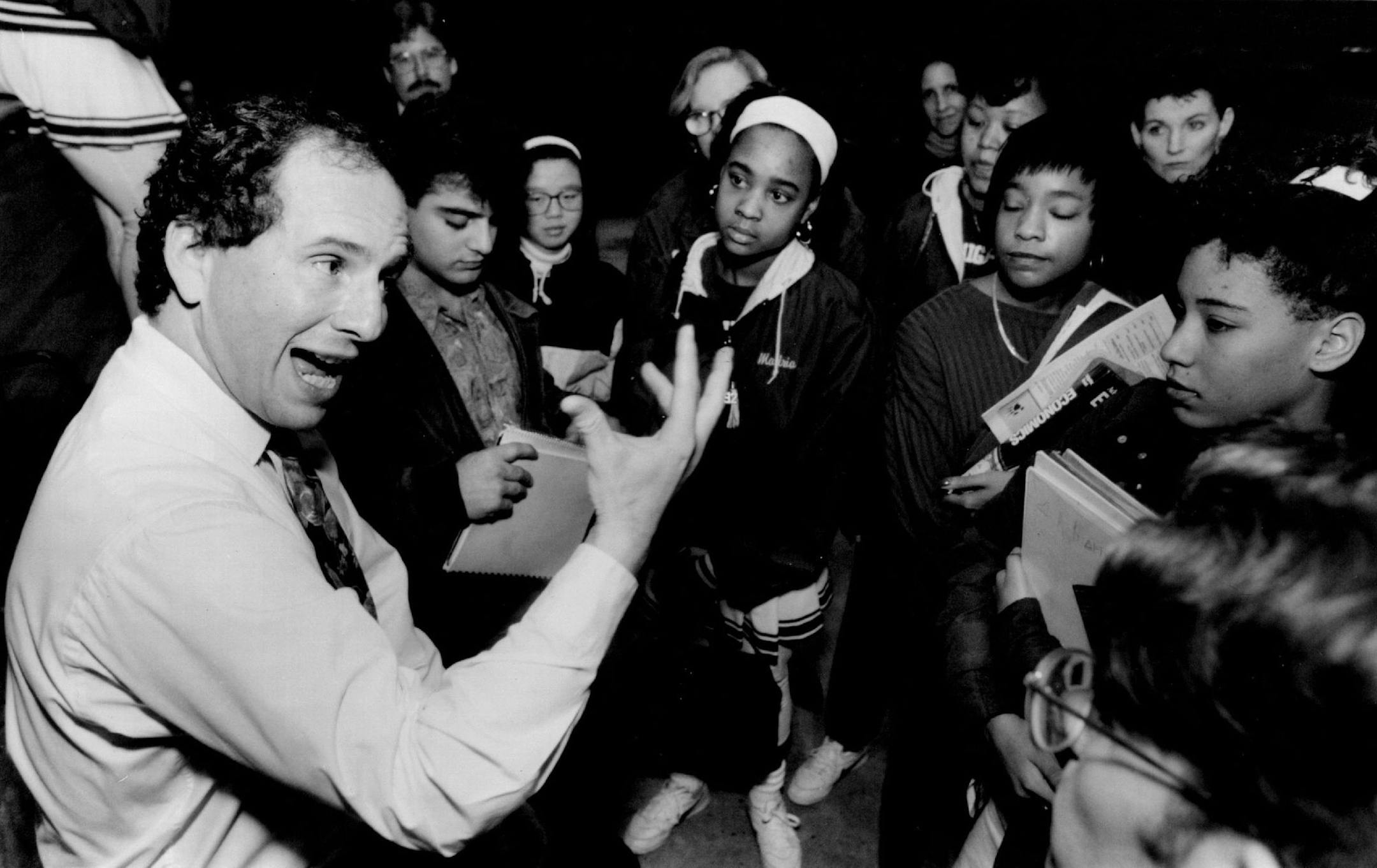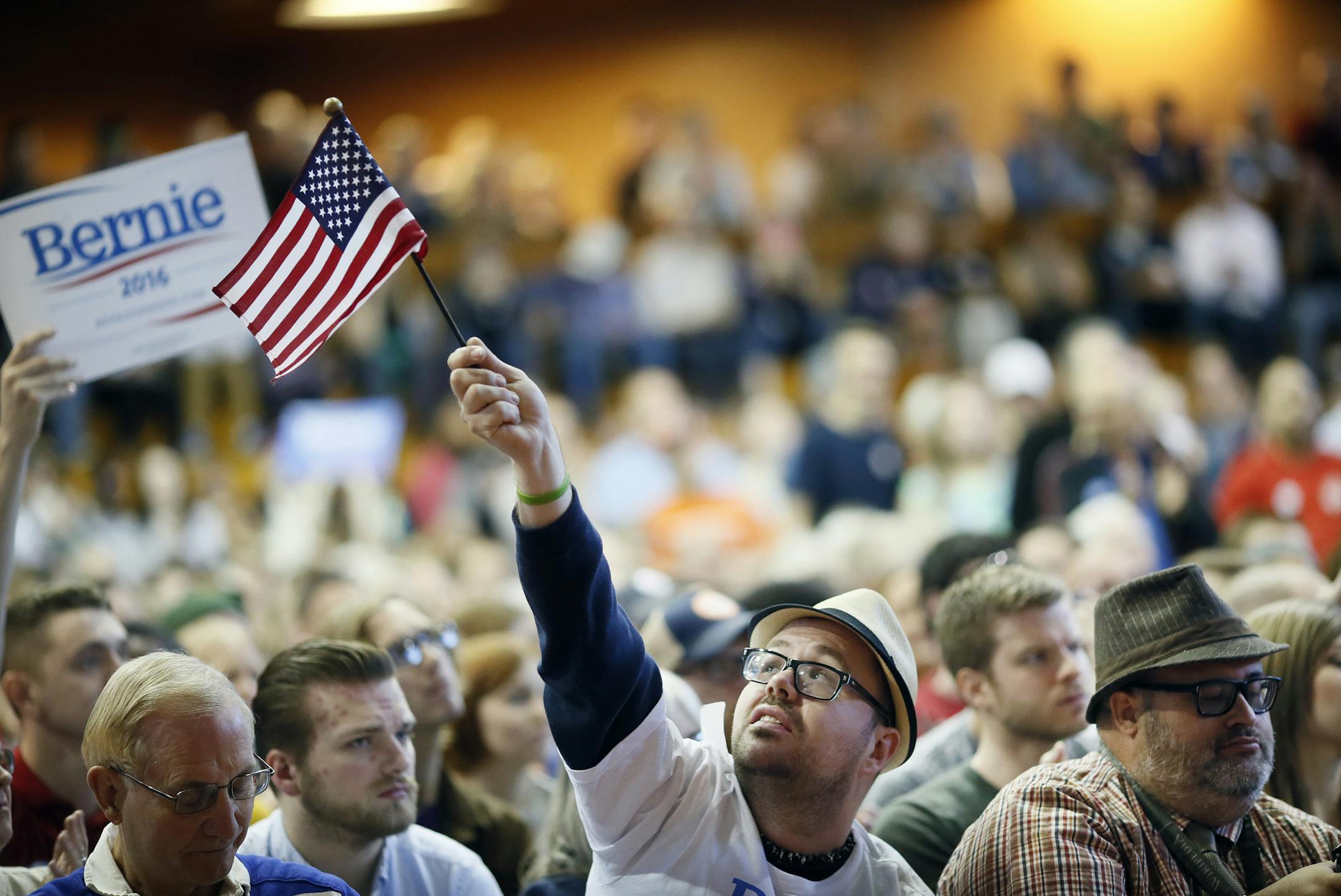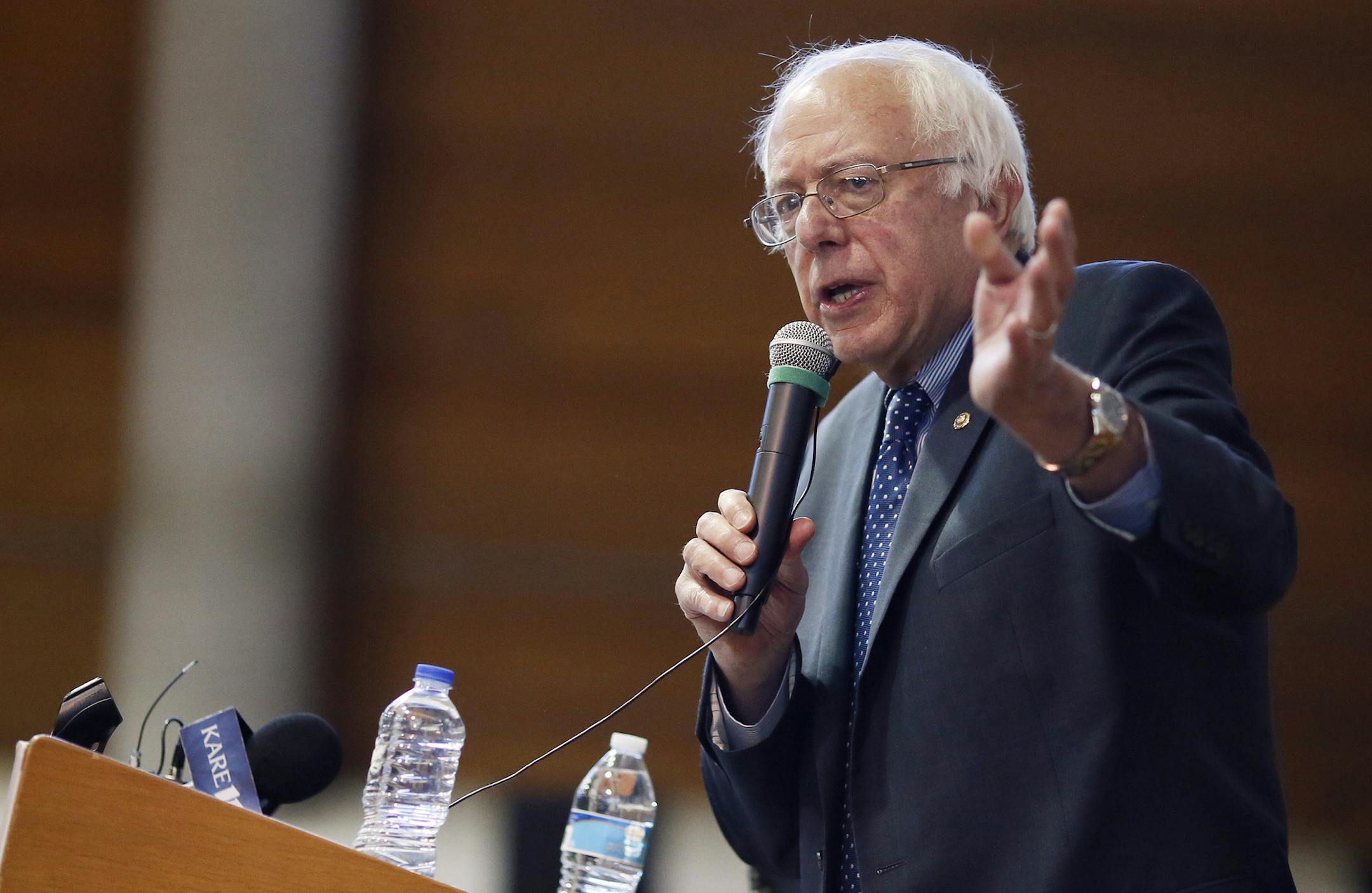
U.S. Sen. Bernie Sanders is a passion politician who was railing against income inequality long before it was fashionable. The son of a Jewish immigrant father, he is an underdog who says he is fighting on behalf of the forgotten.
For Sanders' supporters here in Minnesota, those attributes evoke a Minnesota legend: The beloved, deceased Sen. Paul Wellstone, elected in 1990 campaigning the state in an old green bus, the only Democrat running for re-election in 2002 to oppose the Iraq war.
Of the likeness, Jerry Gilkeson, a Sanders volunteer, said simply: "Absolutely."
In a sign of his emerging grass-roots appeal, Sanders reported last week that he raised an impressive $15 million last quarter, about 80 percent coming in donations of less than $200. However, that still leaves him far behind the $47 million raised nationally by Democratic front-runner Hillary Clinton, who has the endorsements of most of the state's top-ranking DFLers.
It remains to be seen whether Sanders can convert early enthusiasm into an effective campaign, but Sanders supporters hope the state called home by quirky liberals like Eugene McCarthy and Wellstone will be fertile ground for a man once elected mayor of the funky college town of Burlington, Vt., as an avowed Socialist.
Those who knew Wellstone best and who have carried on his political legacy are less sure of the resemblance.
"I don't know if Sanders has the same understanding of how to involve and engage people in a campaign in a really deep way," said Jeff Blodgett, who was Wellstone's campaign manager and later two-time state director for Barack Obama. "He's turning people out [at events], but that's not the same."
The question is not academic. The organizational method preached by Wellstone has become the foundation of modern Democratic politics.