

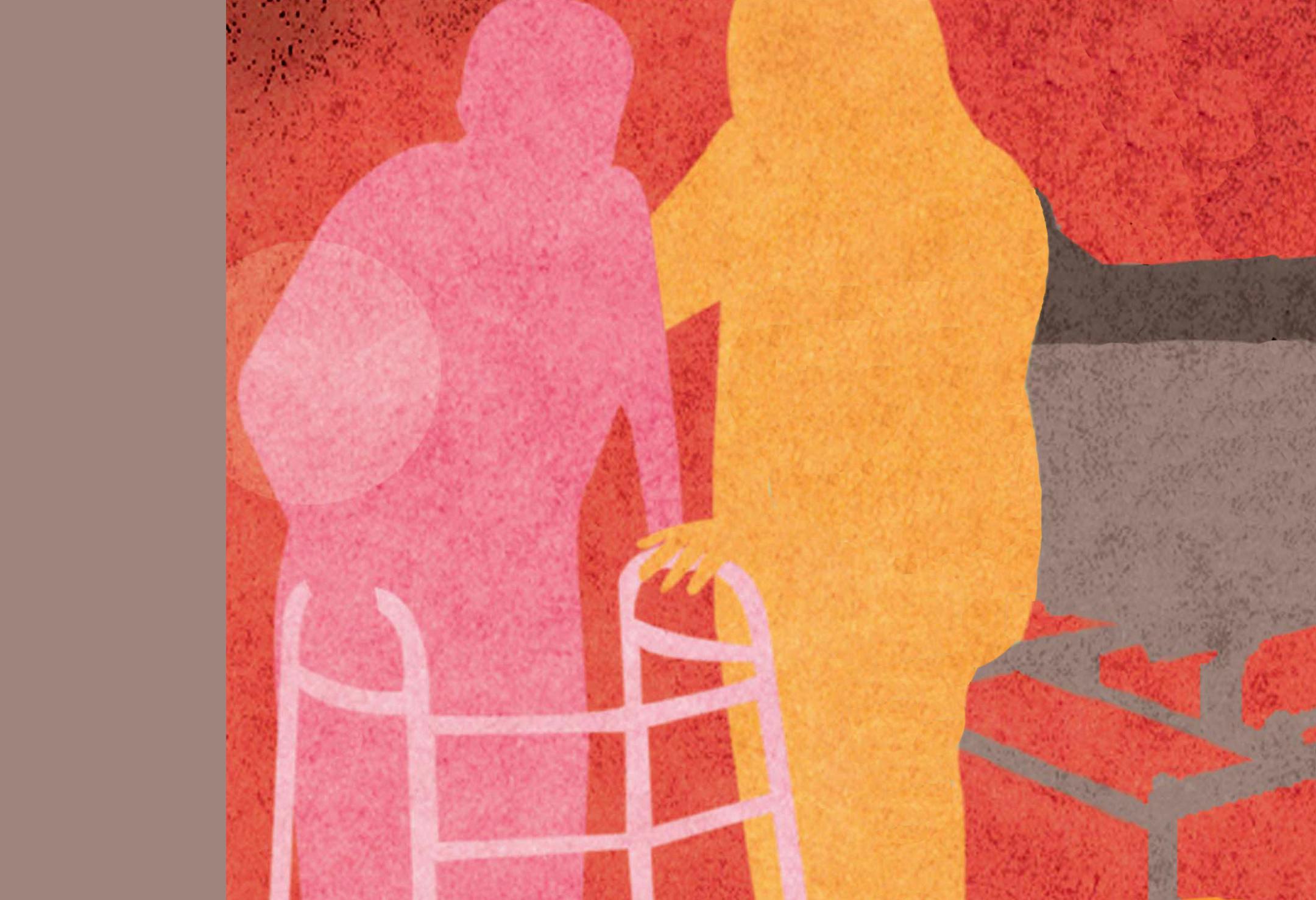
Creative Care for Reaching Independence, a Moorhead-based provider of home- and community-based services (HCBS) for the elderly and disabled, has a terrible time attracting and keeping caregiving workers, executive director Shannon Bock says. The reason: a five-year squeeze on state HCBS funding has left wages for caregivers at $10.75 an hour, nearly $3 below starting pay for the same work across the Red River in Fargo, N.D.
As a result, staffing turnover has spiked. The frail and disabled people Bock's agency serves must adjust frequently to strangers assisting them with intimate personal and household needs. "Imagine what that does to your dignity," Bock lamented.
Hold that thought — then multiply it by nearly 110,000. That's how many disabled and elderly Minnesotans receive care in home or homelike settings financed by Medicaid, according to Gov. Mark Dayton's office. Then add 91,000 more. That's the estimated number of home health care workers in Minnesota who have seen little or no pay increase since the Great Recession dawned in 2008, and only a pittance in the five years before that. Statewide, their average hourly wage is now between $11 and $12.
Those 200,000 Minnesotans stand to benefit most if the 2014 Legislature heeds advocates' plea to boost HCBS funding 5 percent, or $82 million, in fiscal 2015. By law, three-fourths of that sum would go to caregiver pay hikes.
It's a request that should be granted, and not just for the sake of those giving and receiving care today. With the share of seniors in the metro-area's population projected to grow from 11 percent in 2010 to 21 percent by 2040, a large share of Minnesota families are likely to eventually include someone who requires personal care.
The question that "The 5% Campaign" poses for the larger population is whether home- and community-based services will long remain widely available and worthy of Minnesotans' trust. The squeeze on these services in the past decade has eroded their quality. High turnover has become epidemic as workers find they can make more money as retail clerks than as vital caregivers to vulnerable people.
Paula Hart, president and CEO of Volunteers of America, one of the state's largest providers of care for the disabled and elderly, frets that Minnesota could be reverting to the notoriously inadequate care that was typical 40 or 50 years ago in state institutions. "It's like we've created mini-institutions, rather than true home- and community-based services," Hart said.
Doing better by vulnerable adults and their caregivers is more than a financial question. It's a moral one. It's about passing the test that the late Vice President Hubert Humphrey described for governmental morality: "how it treats those who are … in the twilight of life … and those who are in the shadow of life, the sick, the needy, and the handicapped."


