

Lisa and Keith Kupcho leave their Chanhassen home on Sundays and hit the freeway for a 20-mile morning commute — to their Minneapolis church.
Dave and Patty Dronen make tracks around the same time, driving north 30 miles from Prior Lake to their urban spiritual home. Thornton Powell heads from the west to east metro, racking up 20 miles from Golden Valley to St. Paul.
They are among thousands of Minnesotans crisscrossing the Twin Cities and rural roads for weekend worship, fueling a growing religion trend. For centuries, both Protestant and Catholic faithful headed to their neighborhood or nearest church. But geography is no longer the arbiter of church membership.
"People are looking for something that resonates with their values," said Lisa Kupcho, a longtime member of St. Joan of Arc Church in Minneapolis. "For us, it's all about community, about liked-minded people."
The commuters are in high gear during the Christmas season, when many think nothing of driving up to an hour to sing "Joy to the World" with a beloved church community. But it's a mixed blessing for pastors and priests.
"People aren't going to battle traffic if they're not sure it's going to be worth it," said the Rev. Ben Cieslik of Bethlehem Lutheran Church in Minneapolis. "We need to make it worth people's time."
The percentage of Americans driving between 16 and 30 miles to church jumped from 24% in 2001 to 32% in 2017, according to the Baylor Religion Survey, a national survey conducted by Baylor University in Texas. The group driving more than 30 miles rose from 4 to 9% — or nearly 1 in 10 churchgoers.
Catholics report driving the shortest distance, the study showed, with a quarter behind the wheel for longer than 15 minutes. A third of mainline Protestants also travel for more than 15 minutes, and one in 10 travel for a half-hour or more.
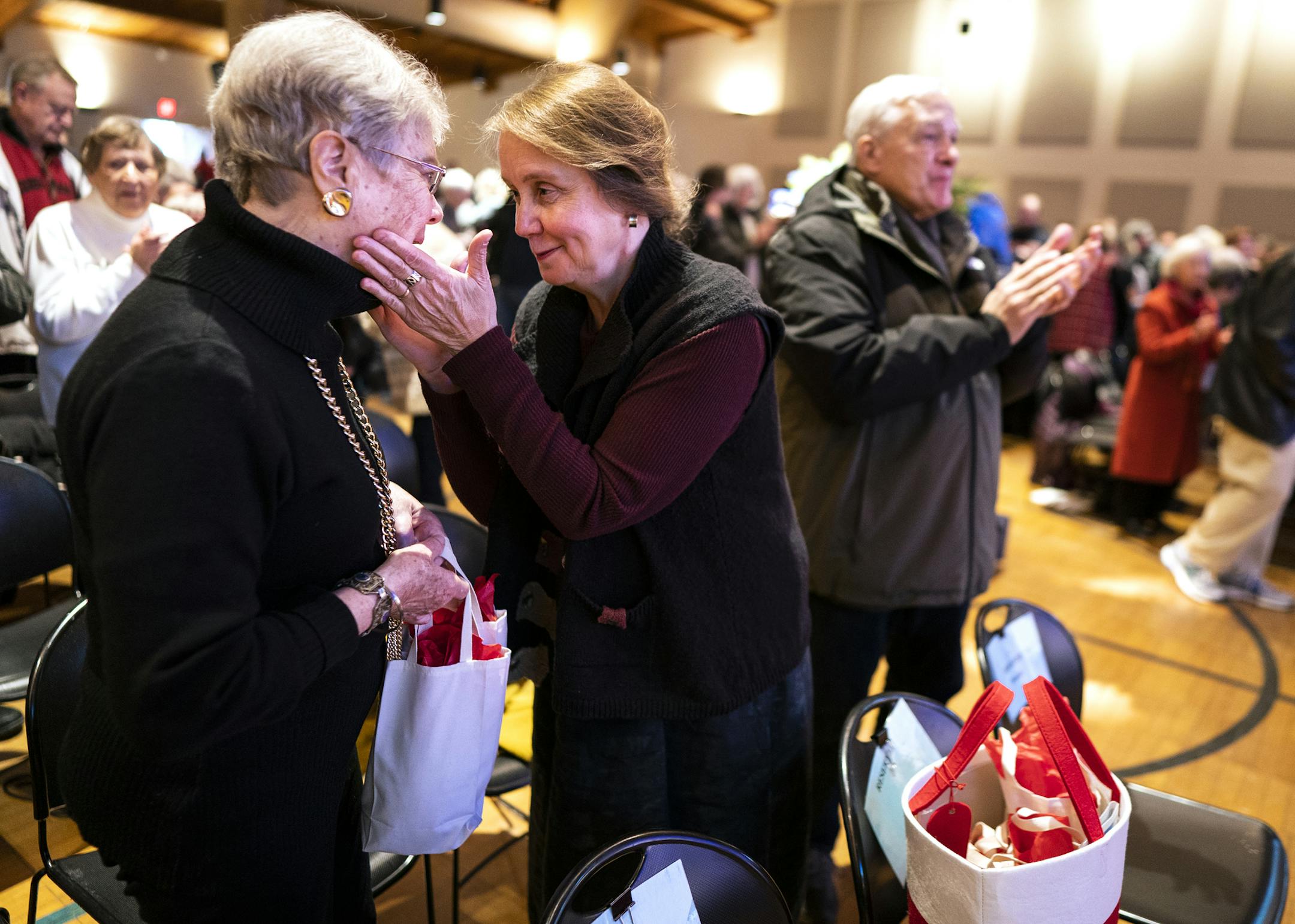
![Keith Kupcho dropped his wife off before trying to find a parking spot before mass. ] LEILA NAVIDI • leila.navidi@startribune.com BACKGROUND INFORMATION: Lisa and Keith Kupcho of Chanhassen drive to St. Joan of Arc Church in Minneapolis for mass on Sunday, December 15, 2019.](https://arc.stimg.co/startribunemedia/2PHIBYG7GIHDAZLQO56AAN4VS4.jpg?&w=1080)


