

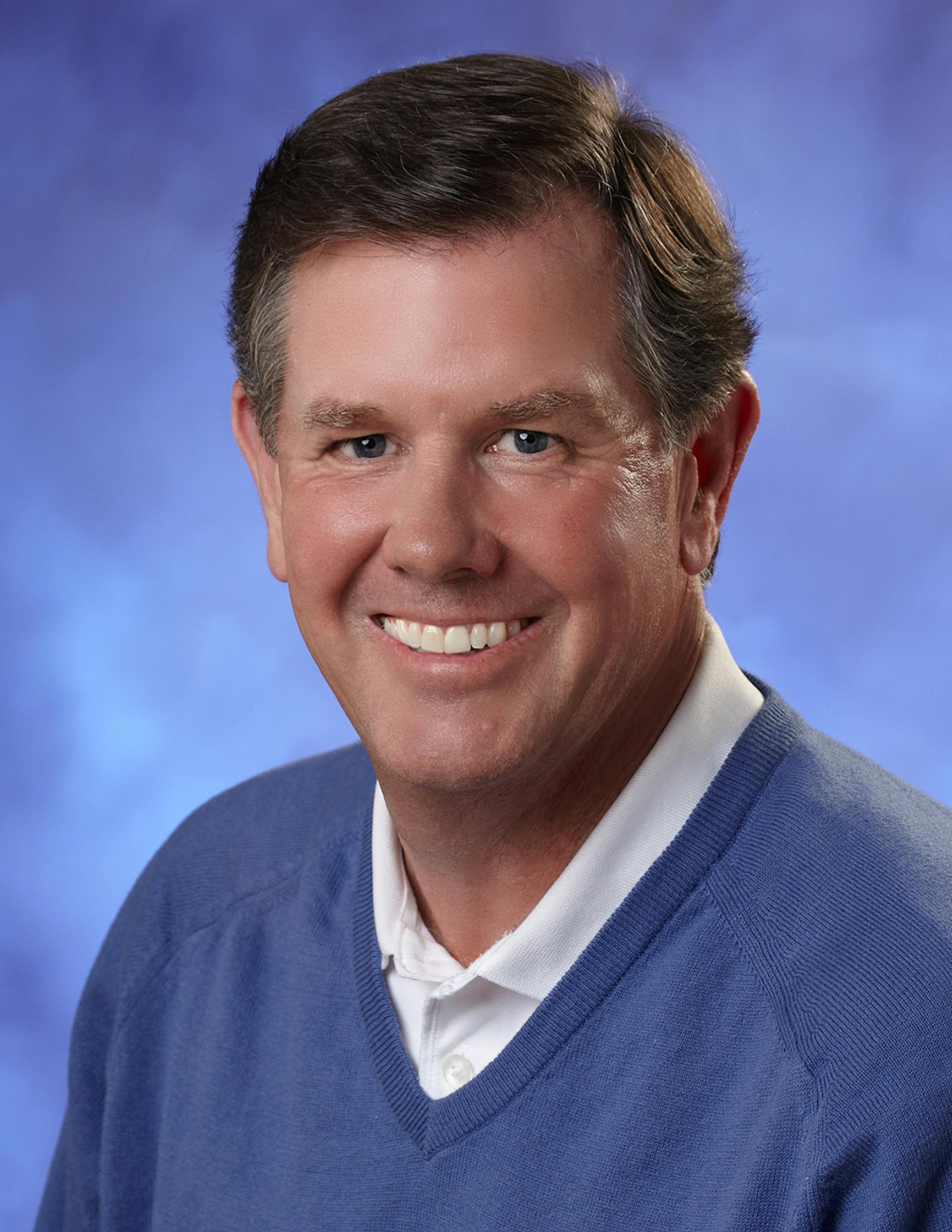
Golf courses were closing and membership numbers were declining at a rapid rate just a year ago. Nearly 5 million recreational golfers in the U.S. stopped teeing up over the past decade, and it appeared the decline wouldn't stop. The worst, however, is behind us, says Tom Ryan, the Minnesota Golf Association chief operating officer and executive director. According to local course owners and nationwide PGA statistics, participation numbers are recovering. The Star Tribune's Jason Gonzalez took Ryan's health assessment:
Q How's the health of the Minnesota golf scene?
A Rounds are up a couple percentage points over where they were last year. Part of it is the weather and we got a great jump on the season. Last year, we had a few tough weeks of some weather, and this year the weekends have been really good. In talking to some golf course owners at a recent outing, the ones I talked to were pretty bullish on what they're seeing. … Many of the clubs are in better position than they were one or two years ago.
Q The game is attempting to become more relevant and stir up new interest. What sort of changes have you seen, or what should we be expecting?
A Courses are taking ownership of tee sheets and rewarding loyalty. … Big cups [on greens] are never going to replace small cups, but if it gets young people interested and having fun, it's a good thing. I think if courses have nine hole or an executive course, this is where you'll be seeing some of that. Also the footgolf: I don't believe it's necessarily going to translate into new golfers, but another alternative use for courses and new revenue streams to help the top line.
Q Developing new, creative ways to play golf could mean a lot of change for the game's purists and give the game a completely different look. Is this a good thing for the sport?
A It's unique. It's different. It's kind of futuristic ideas to some extent. It's about sustainability and the viability and health of the game. … At the U, if there is renovation that takes place, they could have a plan to have a small footprint and smaller golf course. Those are the types of forward-thinking ideas that people are starting to embrace. ... We have to find some way to address the issues of cost and time and difficulty of learning the game.
Q How's the health of the sport at the youth level?


