

Wildfires had been burning for weeks, shrouding Reno, Nev., in harmful smoke, when Jillian Abney and her 8-year-old daughter Izi drove into the Sierras last year in search of cleaner air. The eerie yellow haze that filled the sky had brought summer to an abrupt halt, canceling all of the season's usual delights.
Abney headed for Donner Lake, hoping the higher elevation would put them above the smoke. But instead of the blue skies that had greeted her on countless trips throughout her life, she arrived to find smoke hanging in the sky and creeping through the valleys below. It smelled like a campfire, but those had been banned for the season.
"If it's like that again this August, we are escaping," she said.
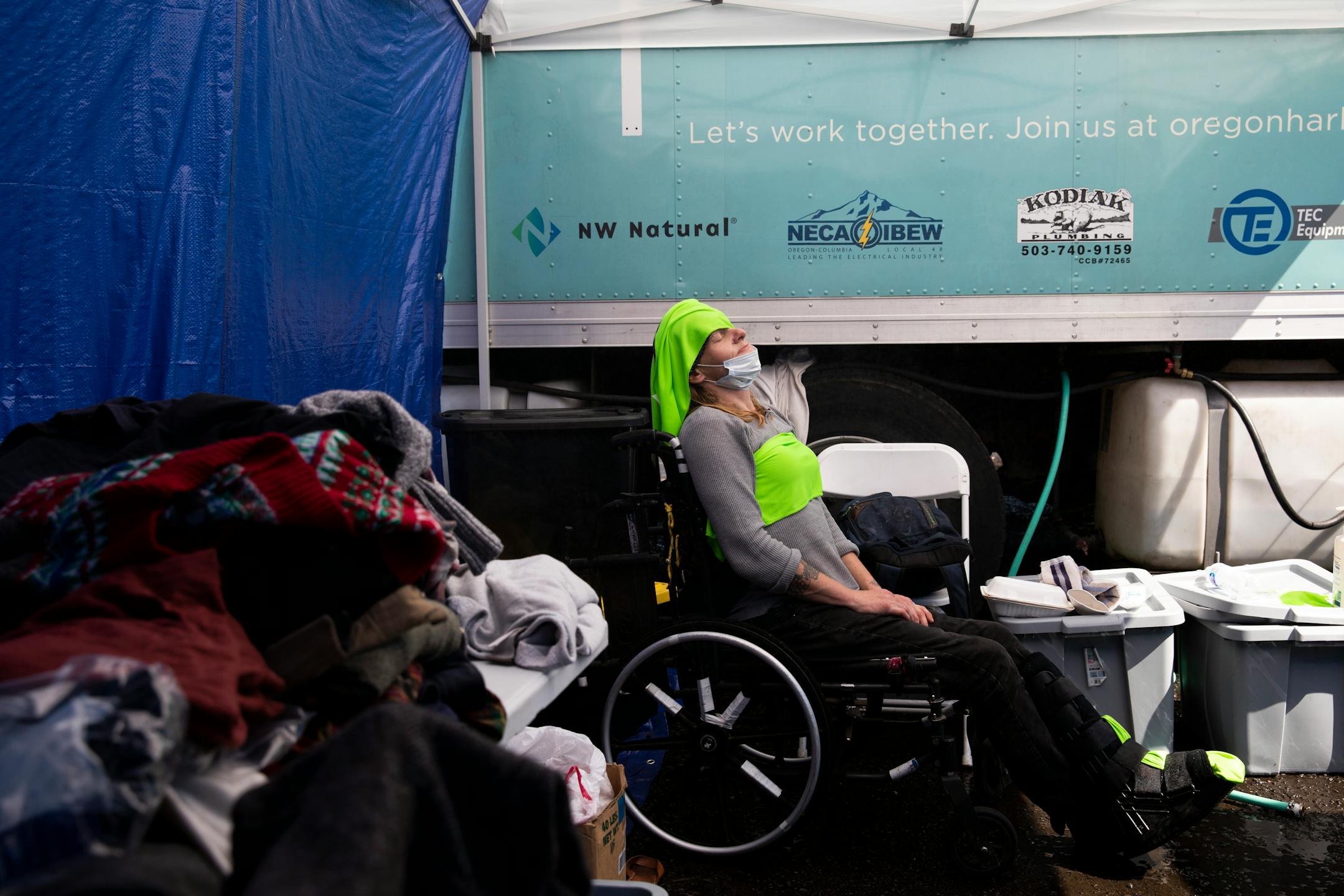
Summer temperatures in Reno have risen 10.9 degrees Fahrenheit, on average, since 1970, making it the fastest warming city in the nation during the hottest months, according to an analysis by the nonprofit research group Climate Central. For two consecutive summers, smoke from blazes burning in California has choked the region, sending residents to the emergency room, closing schools and threatening the tourism industry.
It is among the sharpest examples of how climate change is fundamentally altering the summer months — turning what for many Americans is a time of joy into stretches of extreme heat, dangerously polluted air, anxiety, and lost traditions.
Though the summer season of 2022 is young, parts of the nation already have experienced punishingly high temperatures, extreme drought, wildfires, severe storms, flooding or some combination. Projections from federal agencies suggest more abnormally hot weather, an expansion of drought and well above average wildfire and hurricane activity in the months ahead.
Scientists say the recent spate of severe summers is a clear change from previous generations. The average summer temperature in the past five years has been 1.7 degrees (0.94 Celsius) warmer than it was from 1971 through 2000, according to a Washington Post analysis of data from the National Oceanic and Atmospheric Administration. But some parts of the country have been much harder hit, with the West showing a 2.7 degrees (1.5 Celsius) increase.
"The past few summers, we've just seen such a constant parade of one climate-related event after another," said Kristina Dahl, principal climate scientist at the Union of Concerned Scientists, an environmental advocacy group. "This really does strike us as a point where we need to be shifting our thinking about summer and how we are approaching it."


