

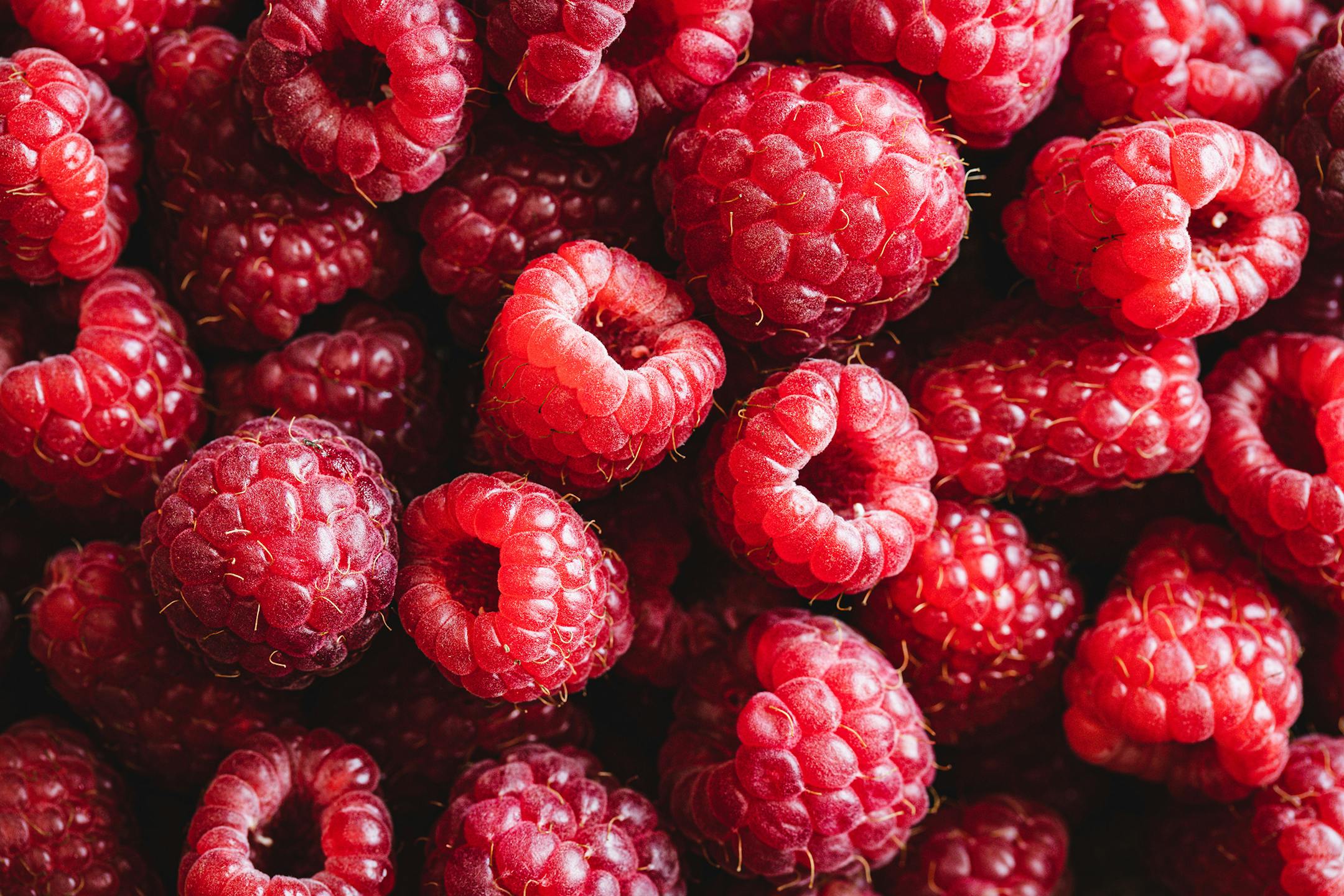
Easy care raspberries are high in fiber and vitamin C, making them a healthy snack as well as delicious in jams, jellies and desserts. Enjoy the best flavor and reduce pest problems with proper harvesting and summer care.
Pick raspberries when the fruit is firm but soft, deeply colored, and easily slides off the hard core. Check your raspberry patch and harvest every few days to avoid overripe fruit that attracts picnic beetles and other pests. Consider wearing long pants and a long sleeve shirt for protection against thorns and mosquitoes.
Place berries in shallow containers when harvesting and storing to avoid crushing the delicate fruit. Chill any uneaten berries within two hours of harvesting to preserve freshness and flavor. Wait to wash berries until right before use to further lengthen their storage life.
Once the summer harvest is complete, it's time to do a bit of pruning. Remove the canes that bore the summer fruit back to ground level. These canes will not form fruit in future years. Removing them now gives new canes room to grow and reduces the risk of disease.
This is also a good time to check all canes for signs of disease problems. Look for sunken and discolored areas, cankers and spotted, yellow or brown leaves. These symptoms along with dry, crumbly fruit are clues that diseases, like anthracnose and spur blight, have moved into your raspberry patch. Remove and destroy diseased canes to ground level as soon as they are found. This is often enough to manage these diseases.
Summer is also a good time to thin the remaining canes on summer-bearing raspberries. Remove weak or damaged canes, leaving three or four of the sturdiest per foot of row or six or eight stems per hill when growing in the hill system.
Wait until next spring to reduce the height of the remaining canes. At that time, you can determine winter dieback and damage and prune accordingly.
Fall-bearing raspberries are handled a bit differently. Prune them like the summer-bearing raspberries to harvest two crops in one season. Often called ever-bearing, these produce a summer crop on second-year canes and a fall crop on first-year canes.


