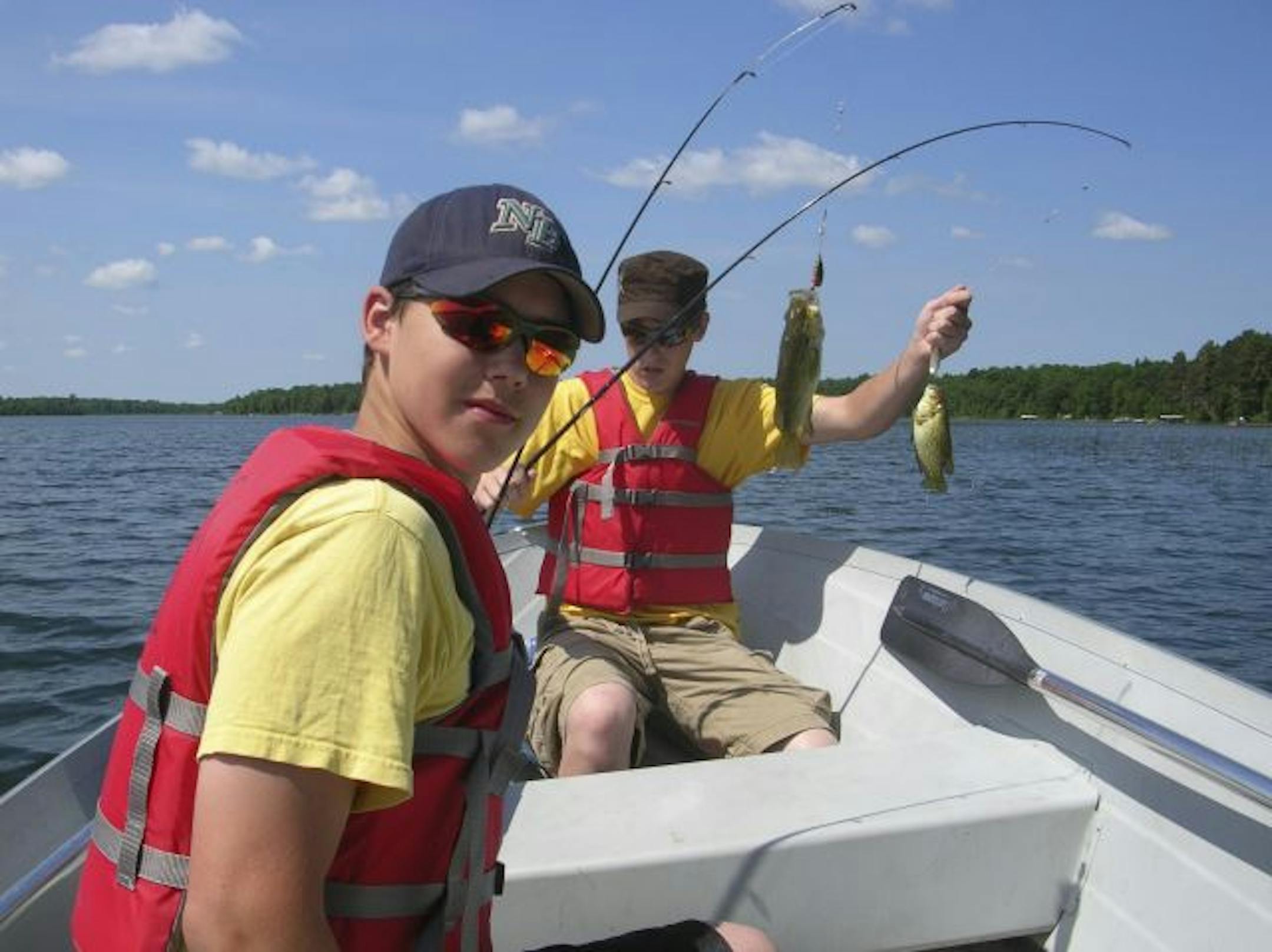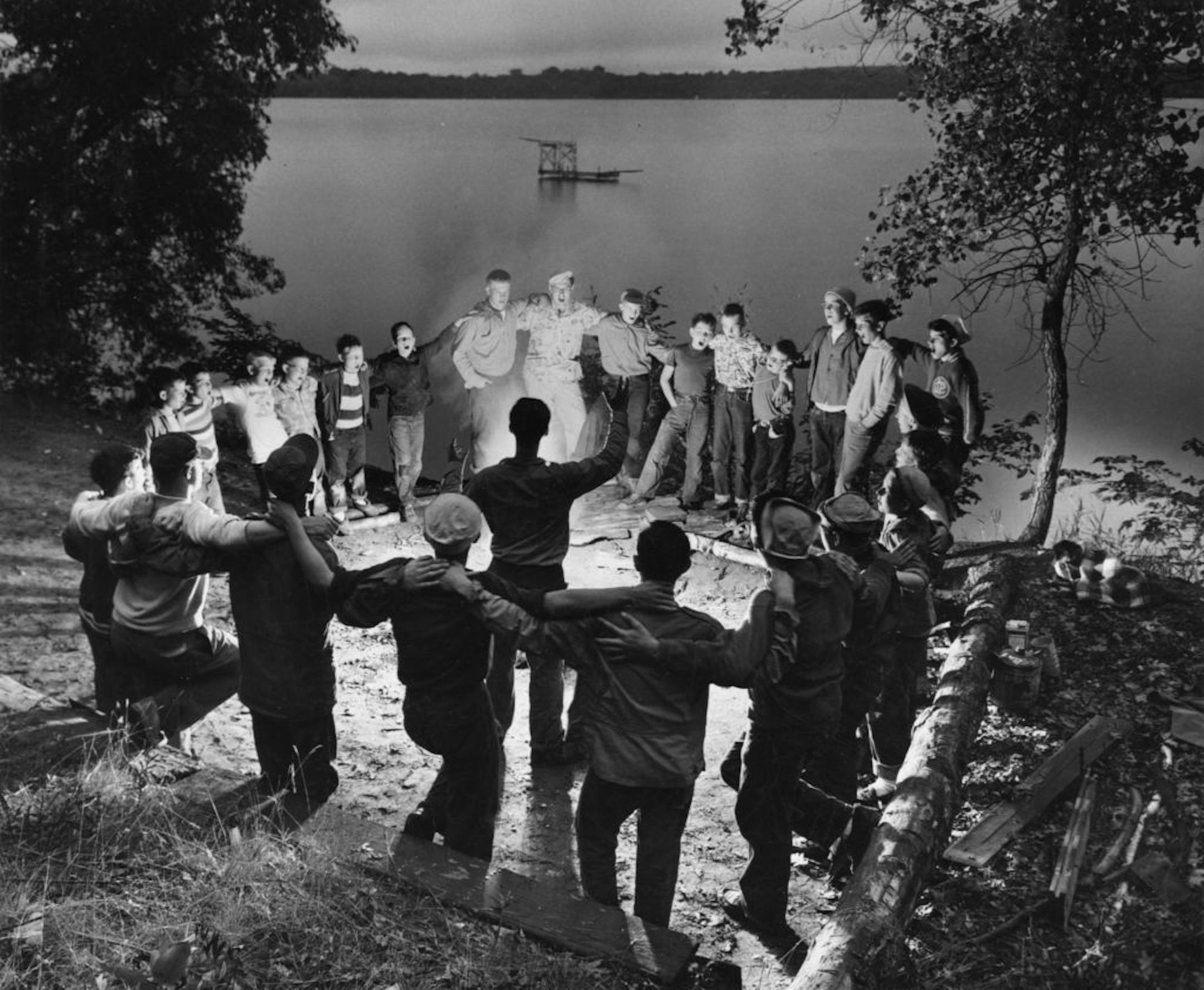
Good morning, campers. Today's activities include time travel. Right after we've cleaned our cabins and had our breakfast of flapjacks, we'll venture through a time warp to an era experienced by your parents and grandparents. Bring a snack, because it's going to be a long trip. In fact, we won't be coming back until right before your parents return to camp at the end of the week to bring you home.
Is this the stuff of science fiction? Hardly. In fact, it's an experience that will be encountered by most of the youngsters who pack up their sleeping bags and head to a nature-based summer camp.
While the world might be changing at an often mind-boggling pace, summer camps have remained a constant. Sure, there have been the updates in the facilities, but the basic concepts and activities are the same as they were decades ago. The kids swim, learn crafts, take hikes and roast marshmallows over a campfire just like their parents did and, in some cases, even their grandparents before them.
"One of my kids went on the same canoe trip that I went on as a kid," said Tom Kranz, vice president of camping for the YMCA, which has two camps -- Camp St. Croix and Camp Icaghowan -- that have been around for 102 years. "We've got several third-generation campers, and I've heard that we've even got a couple of fourth-generation ones."
Some specific activities have changed over the decades, said Tane Danger, marketing and communication manager for Camp Fire Boys and Girls, which owns Camp Tanadoona. The camp has added things like a climbing wall, high-ropes course and slackline.
There's something else there now that wasn't around when Jennifer Krause went to the camp: "Plumbing," she said with a laugh. Nonetheless, the Minneapolis woman was so impressed with her camping experience that she has sent her daughter, Stephanie, to the camp six summers in a row, with number 7 on the way.
"She loves it," her mom said. "They swim, they canoe, they kayak, they sit around the campfire and sing songs. It's the same thing I did when I was there."
In fact, the theory behind the activities hasn't changed in the 88 years since the camp opened, Danger said.