
Summer camp nears revival as regional park

Supporters of Camp Ojiketa, once a destination for thousands of young campers on Green lake near Chisago City, are within $150,000 of reaching their fundraising goal begun last March.

November 16, 2008 at 4:00AM
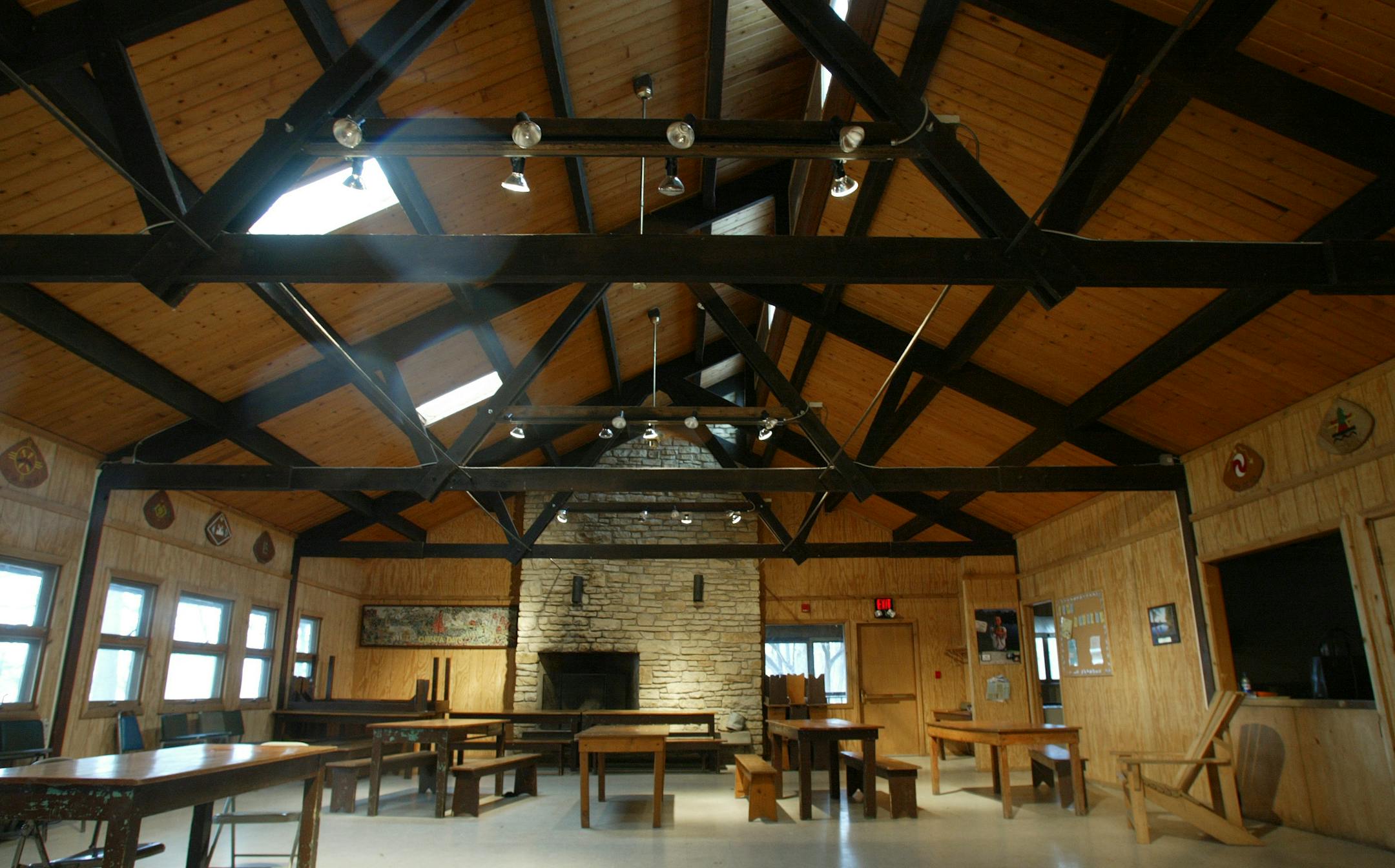
Strom Hall at Camp Ojiketa is one of several picturesque buildings that are part of the former Camp Fire campground on Green Lake, near Chisago City. Lack of funding forced its closure as a campground, but the community has pulled together to transform it into a park.
Strom Hall at Camp Ojiketa is one of several picturesque buildings that are part of the former Camp Fire campground on Green Lake, near Chisago City. Lack of funding forced its closure as a campground, but the community has pulled together to transform it into a park. (Star Tribune/The Minnesota Star Tribune)

They never lost their faith, through development proposals, vandalism and a drooping economy. Now, the people who want to preserve an 86-year-old youth camp in Chisago City as a regional park are within $150,000 of raising $3.8 million to buy it.

Closing on the purchase of Camp Ojiketa should happen by mid-December, said Bob McGillivray, senior project manager for the Minnesota office of Trust for Public Land.

"It's taken a lot of twists and turns, but you know we've got a lot of people who really care about this land a lot," McGillivray said Friday. "We think it will provide an absolutely strong regional park for the northern metro area."

The TPL is working with Chisago City and the Ojiketa Preservation Society -- hundreds of former campers who spent summers at the 70-acre property on Green Lake -- to close the deal with the Minnesota Council of Camp Fire USA, which currently owns it. The forested land, dotted with log cabins, offers postcard views of sunsets over the lake. Ojiketa is home to deer, owls, loons, wild turkeys, painted turtles and great blue herons, among other wildlife.

Last March, TPL struck a purchase agreement to buy Ojiketa, which Camp Fire had hoped to sell for about $5 million until a declining real estate market made that impossible.

"When you get down to this last $150,000, it's really pennies, but it's proving to be a hard thing to do, too," said Judy Montgomery, one of the campers who rallied three years ago to save Ojiketa from development. Through the Ojiketa Preservation Society, she's led a mail campaign to stir at least 600 former campers to action. They've raised $150,000 through individual donations -- the same amount that's still owed.

"It's been a long trip. What a journey," she said of Ojiketa, which means "sweetness of life" in the Ojibwe language.

The fate of Ojiketa, which has 3,100 feet of lakeshore about 30 miles northeast of St. Paul, was uncertain even a year ago. Camp Fire no longer could afford to maintain the camp, developers tried to buy the land for various uses and vandals ransacked several quaint log buildings in July. Meanwhile, Chisago City never lost its vision to preserve the land for a regional park.

"Total excitement," is how Chisago City's parks programmer, Doris Zacho, described the mood in the city of 4,600 residents with the dream of a regional park so near. "I'm just so proud of our town and our staff. In the end, to come together like this and have the small town just be able to raise the funds, I just think it's amazing."

Chisago City will provide $1.5 million -- the largest contribution -- toward the purchase. The TPL has committed $885,000, and the Minnesota Department of Natural Resources recently gave a $500,000 grant toward the cause.

Ojiketa has a powerful backing among thousands of people who spent childhood summers at the camp and don't want to see their fond memories fade, McGillvray said.

"We've managed to preserve green space on Green Lake that's going to be available for years to come for camping or nature walks or whatever people want, but it's not going to be a commercial development and that's what we were trying to achieve," Montgomery said.

Zacho said a steering committee of about 30 Chisago City residents will decide what the new park should include. She would like to see an interpretive center and said the land is suitable for trails, camping, swimming, skiing and hiking. She also wants nature learning for children.

"We've really been blessed with people being stewards of the future," Zacho said.

Kevin Giles • 651-298-1554

about the writer

about the writer

KEVIN GILES, Star Tribune