

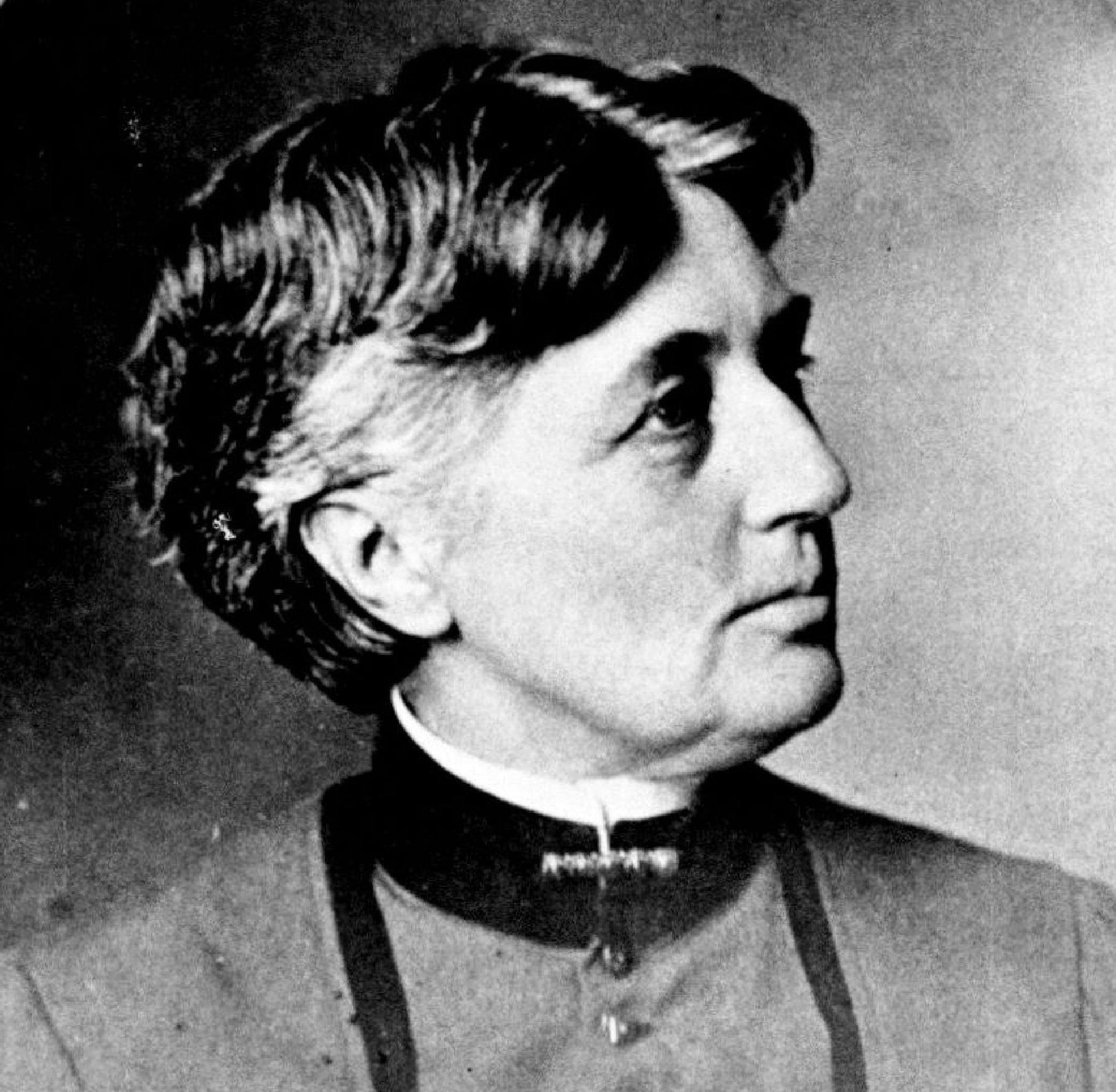
Maybe her zeal for justice started in an Iowa bluff cave when Martha Rogers Ripley was a young girl. Born in Vermont on Nov. 30, 1843, the oldest of five children, her family was among the first white settlers in northeastern Iowa — operating an Underground Railroad stop in the cave behind their farm for fugitive slaves heading to Canada.
Serving food to those slaves, "Martha was unwearied in her care of these unfortunate ones," according to an 1893 profile, that insisted: "There is no busier woman in Minneapolis."
Ripley didn't arrive in Minnesota until she was 40. But in her 28 frenetic years here, she became a successful obstetrician, opened a hospital that served 5,000 unmarried or destitute pregnant women, led the state women's suffrage group in the 1880s, lobbied police to hire women, organized maids to unionize, helped rehabilitate prostitutes and ran an early adoption center for abandoned babies.
Ripley once said she was driven by "the duty of not keeping silent when … wrong exists."
A bronze plaque placed 80 years ago in the State Capitol rotunda calls her a "pioneer woman physician" with "farsighted vision and sympathy ... fearless in spirit, courageous in action, champion of righteousness … her life a noble influence, an enduring inspiration."
Those etched words "fail to capture the dauntless spirit and burning dedication to justice," according to Winton Solberg, a former Macalester College history professor who wrote the definitive Ripley profile in 1964 (tinyurl.com/MarthaRipley). He said Martha Ripley's name became a household word — "and often a far from popular one" — among early Minnesotans.
Martha never graduated from high school, but became an Iowa schoolteacher at 17. When a diphtheria outbreak attacked her community, she tended to the sick and launched her long career in public health. Deemed too young to serve as a Civil War nurse, she raised money for the Union's Sanitary Commission.
When a rich farmer refused to contribute money to the sanitation cause, he offered Martha all the potatoes she could dig. She blistered her hands, digging $90 worth of potatoes during a long day. Halfway through, the farmer offered her $10.


