By Gregg Aamot • MinnPost
When John Brown Bol moved to the southeastern Minnesota town of Austin, his latest home in a life spent in the diaspora, he saw what he had feared most: fellow Sudanese refugees, people with backgrounds like his, living on the margins.
"I saw the failure of many families with children — single parents who work at night and are trying to raise four or five kids," says Bol, himself the father of three.
The solution, Bol remembers thinking, seemed simple: Let's create a community center where Sudanese youth can spend time together, work on their homework and "learn some things about their culture." Adults could find support, too.
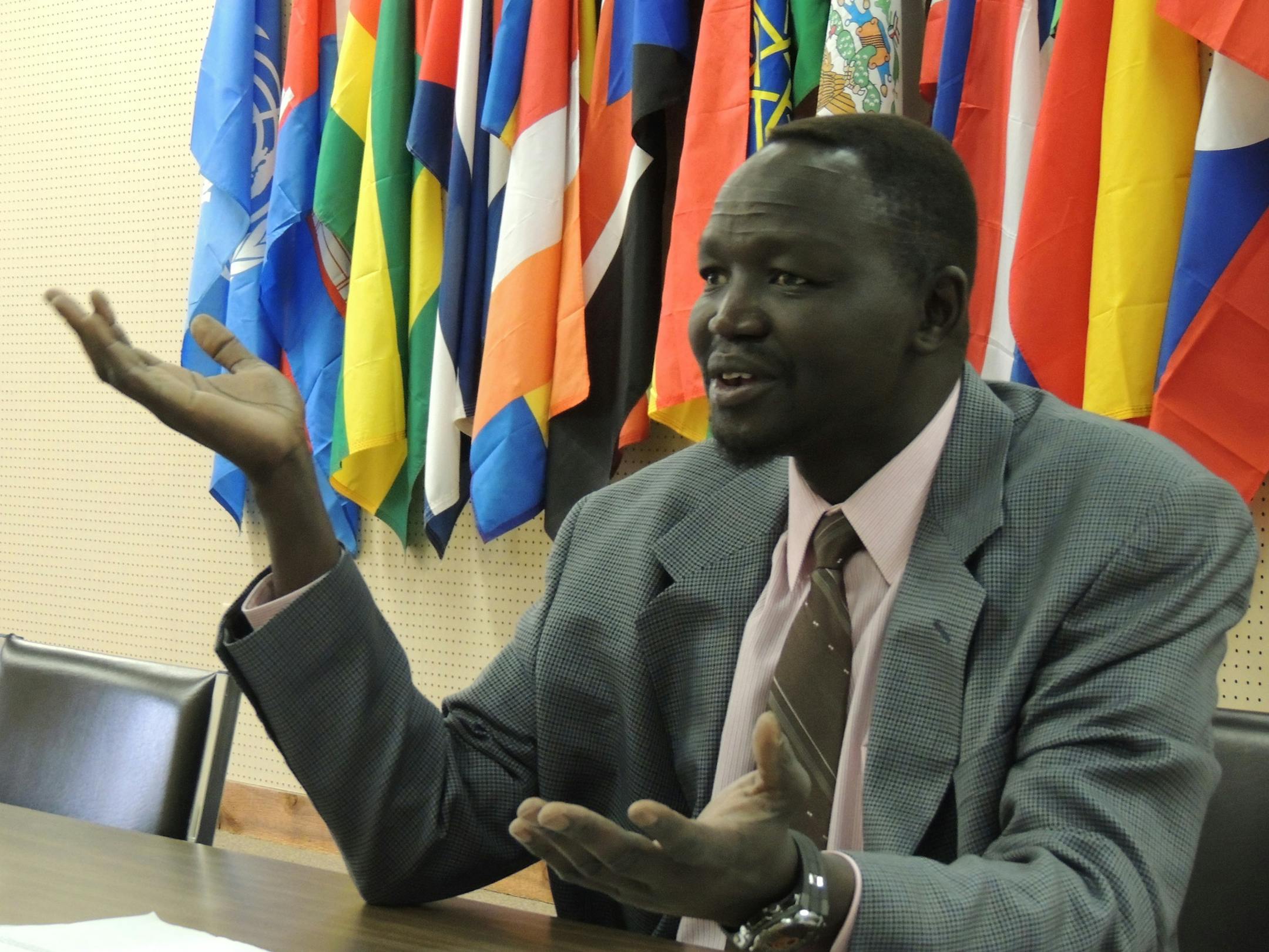
Energized, Bol scaled back on his job as an interpreter for the school district and went to work drumming up support for the plan. He visited the mayor, pitched the idea to community groups and trekked to St. Paul to talk with legislators. Six-feet-five, animated and often wearing a suit, he is hard to miss. "Something is going to happen," he insists.
Nearly a year later, activists are still looking for a building to house such a center, not to mention the money needed to sustain it. Yet the sentiment behind the plan — the search for a sense of belonging and rootedness, a fear of cultural loss — is an achingly familiar one for Minnesota's refugees.
"When you are displaced and living elsewhere, you often gravitate to what you know. There is security in that," said Cawo Abdi, an assistant professor of sociology at the University of Minnesota who has studied the African diaspora. Abdi noted that many Sudanese who are now living in Minnesota spent years in refugee camps in Africa. Bol, himself, lived in camps in Ethiopia and Kenya.
Often, one of their first instincts when arriving in the United States is to carve out an identity, Abdi said.